
If you are searching for a hydraulic surface grinder for sale, you are probably comparing models, evaluating suppliers, and trying to determine which machine delivers the best value for your production needs. Hydraulic surface grinders remain one of the most widely used grinding machines in the world—valued for their stable grinding force, smooth table movement, and proven reliability in medium-to-high volume production. This guide covers the key specifications to compare, supplier evaluation criteria, and pricing insights to help you make the right purchase decision.
Why Choose a Hydraulic Surface Grinder?
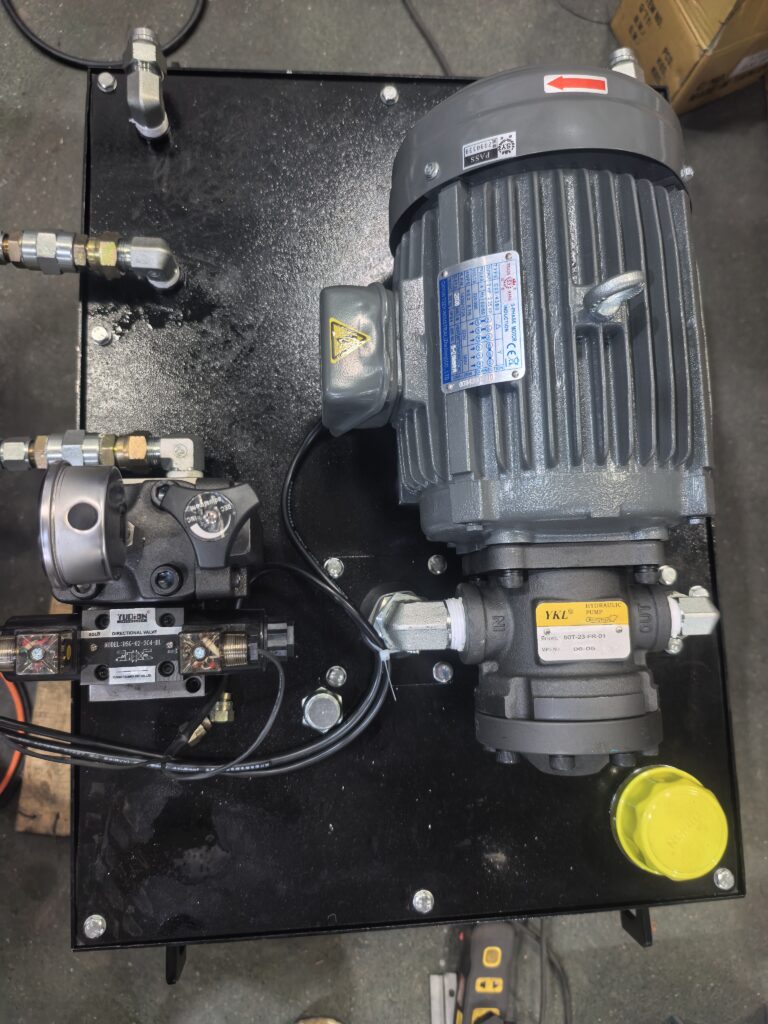
Hydraulic surface grinders use hydraulic systems to drive the longitudinal table movement and cross-feed, delivering smooth, vibration-free motion that produces consistent surface finishes. Unlike fully manual grinders that require the operator to hand-crank the table, hydraulic models automate the table stroke while maintaining the operator’s control over downfeed and wheel positioning.
Key advantages include:
- Smooth table reciprocation that eliminates the stick-slip effect common in manual machines
- Consistent grinding force throughout the table stroke, producing uniform surface finish
- Proven technology with decades of field performance data—hydraulic grinders are reliable, maintainable, and well-understood by operators worldwide
- Lower cost than CNC while still delivering automated table movement and repeatable results
For shops that do not need full CNC programming but want more consistency than a manual machine provides, a hydraulic surface grinder fills the gap perfectly.
Key Specifications to Compare
When evaluating a hydraulic surface grinder for sale, focus on these specifications:
Grinding Capacity
Grinding capacity defines the maximum workpiece dimensions the machine can handle. Common size ranges include:
| Model Size | Working Area (L×W) | Typical Applications |
|---|---|---|
| Small | 300×150 mm | Toolroom, small parts |
| Medium | 500×200 mm | General job shop work |
| Large | 750×300 mm | Mold bases, large plates |
| Extra-large | 1000×400 mm and above | Heavy industrial components |
Choose a machine whose working area comfortably fits your largest typical workpiece—operating near capacity limits reduces flexibility.
Spindle Power and Speed
Spindle power determines how aggressively the machine can remove material. Typical spindle motors range from 2 HP (1.5 kW) on small machines to 15 HP (11 kW) on large production models. Higher spindle power allows deeper cuts and faster material removal without wheel stalling or excessive heat.
Spindle speed affects wheel surface speed and finish quality. Most hydraulic grinders operate at 1,400–2,800 RPM depending on wheel diameter. Variable-speed spindles provide flexibility for different wheel sizes and materials.
Table Speed Range
Hydraulic table speed is adjustable, typically from 5 to 30 meters per minute. Faster table speeds increase material removal rates but may reduce surface finish quality. The ability to fine-tune table speed within this range allows operators to optimize each job.
According to ISO standards for grinding machine performance, table speed consistency directly affects surface finish uniformity—variations greater than 5% within a single stroke produce visible finish differences.
Magnetic Chuck Size and Pulling Force
The magnetic chuck holds the workpiece during grinding. Larger chucks accommodate bigger parts, while higher pulling force prevents part movement under heavy grinding loads. Evaluate chuck size relative to your typical workpieces, and ensure pulling force is sufficient for the heaviest cuts you plan to take.
Vertical Feed Resolution
Vertical feed resolution determines the smallest depth of cut the machine can set. Manual hydraulic grinders typically offer 0.005 mm increments, while semi-automatic models may achieve 0.001 mm. Finer resolution enables tighter tolerances and better surface finish control.
Comparing Hydraulic vs Manual vs CNC
Understanding where hydraulic grinders fit in the product spectrum helps you confirm whether this is the right machine type for your needs.
| Feature | Manual | Hydraulic | CNC |
|---|---|---|---|
| Table movement | Hand-crank | Hydraulic auto | Servo motor |
| Cross-feed | Manual | Auto | Programmed |
| Downfeed | Hand wheel | Hand wheel or auto | Programmed |
| Typical tolerance | ±0.01 mm | ±0.005 mm | ±0.002 mm |
| Setup flexibility | Highest | Medium | Medium |
| Automation level | None | Partial | Full |
| Price range | Lowest | Medium | Highest |
Hydraulic surface grinders occupy the sweet spot between manual simplicity and CNC sophistication—automating the most repetitive aspects of grinding while keeping the machine accessible and affordable.
Where to Find a Reliable Hydraulic Surface Grinder for Sale
Direct Manufacturers vs Trading Companies
Always verify whether the seller is the actual manufacturer or a trading company. Direct manufacturers offer several advantages:
- Better pricing (no middleman markup)
- Customization options for specific requirements
- Direct technical support and faster spare parts delivery
- Accountability for quality and warranty claims
Trading companies may offer convenience, but they add cost layers and create longer communication chains when problems arise.
Build Quality and Component Sources
The long-term performance of a hydraulic surface grinder depends heavily on the quality of its core components. Ask suppliers specifically about:
- Linear guideways: Brands like THK or HIWIN indicate quality
- Ball screws: NSK, THK, or PMI are industry standards
- Spindle bearings: NSK, SKF, or FAG ensure precision and longevity
- Hydraulic components: Reliable valves and pumps prevent table movement inconsistencies
YUTON hydraulic surface grinders use Japanese, Taiwanese, and American core components, delivering the build quality that production environments demand.
Certifications and Compliance
Verify that the machine carries relevant certifications:
- ISO 9001: Confirms the manufacturer follows documented quality management processes
- CE marking: Required for machines sold or operated in the European Union
- Electrical compliance: Machines destined for specific markets must meet local electrical codes (UL for the USA, CE for Europe)
According to EU machinery safety regulations, grinding machines must carry genuine CE marking with a complete technical file—verify documentation during the quotation stage, not after shipment.
Pricing: What to Expect
Hydraulic surface grinder prices vary based on size, features, and origin. Here are typical ranges for new machines in 2026:
| Size Category | Chinese-Built | Taiwanese | European |
|---|---|---|---|
| Small (300mm) | $3,000–$6,000 | $8,000–$15,000 | $20,000–$35,000 |
| Medium (500mm) | $5,000–$10,000 | $12,000–$22,000 | $30,000–$50,000 |
| Large (750mm+) | $8,000–$18,000 | $20,000–$40,000 | $50,000–$90,000+ |
Chinese-built machines from established manufacturers like YUTON offer the best value for buyers who need reliable precision at competitive prices. The key is selecting a manufacturer with proven export experience, genuine certifications, and quality components.
Questions to Ask Any Supplier
Before purchasing a hydraulic surface grinder for sale, ask these questions:
- Are you the manufacturer? Request factory photos or a virtual tour.
- What certifications does the machine carry? Ask for copies of ISO 9001 and CE certificates.
- Which brands of core components do you use? Specific answers indicate quality awareness.
- What is included in the price? Clarify whether magnetic chuck, coolant system, dressing fixture, and standard tooling are included.
- What is the warranty period and what does it cover? Understand terms before committing.
- What after-sales support do you provide? Installation guidance, operator training, and spare parts availability matter for long-term satisfaction.
- Can you provide customer references? Contact existing customers to verify supplier claims.
Why YUTON Is a Smart Choice for Hydraulic Surface Grinders
YUTON (广东宇同精密机械有限公司) has established itself as a leading hydraulic surface grinder manufacturer through consistent quality and customer-focused service:
- Production scale: 150 employees, 15,000㎡ factory, 3,100+ units per year—top three in China by volume
- ISO 9001 + CE certified: Full compliance with international quality and safety standards
- Premium components: Core parts from Japanese, Taiwanese, and American suppliers
- Full product range: From manual surface grinders for toolrooms to CNC surface grinders for high-precision production
- Global export experience: Successful installations across USA, Germany, Poland, Russia, Turkey, Southeast Asia, and Mexico
- Responsive support: English-speaking team with 24-hour response times and detailed technical proposals within 48 hours
For buyers seeking a hydraulic surface grinder for sale that combines production-grade quality with competitive pricing, YUTON’s hydraulic models deliver proven performance backed by a manufacturer with the scale and experience to support long-term operations.
Final Thoughts
Finding the right hydraulic surface grinder for sale requires more than comparing prices. Evaluate specifications against your production needs, verify supplier credentials, check component quality, and confirm certifications before placing an order.
A hydraulic surface grinder is a long-term investment—most machines serve 15–20 years or more. Choosing a reliable manufacturer with quality components and responsive support ensures that investment delivers consistent returns throughout the machine’s entire service life.
Take the time to evaluate thoroughly, ask the right questions, and select a supplier who will support you not just through delivery but for years to come.