
AI Summary
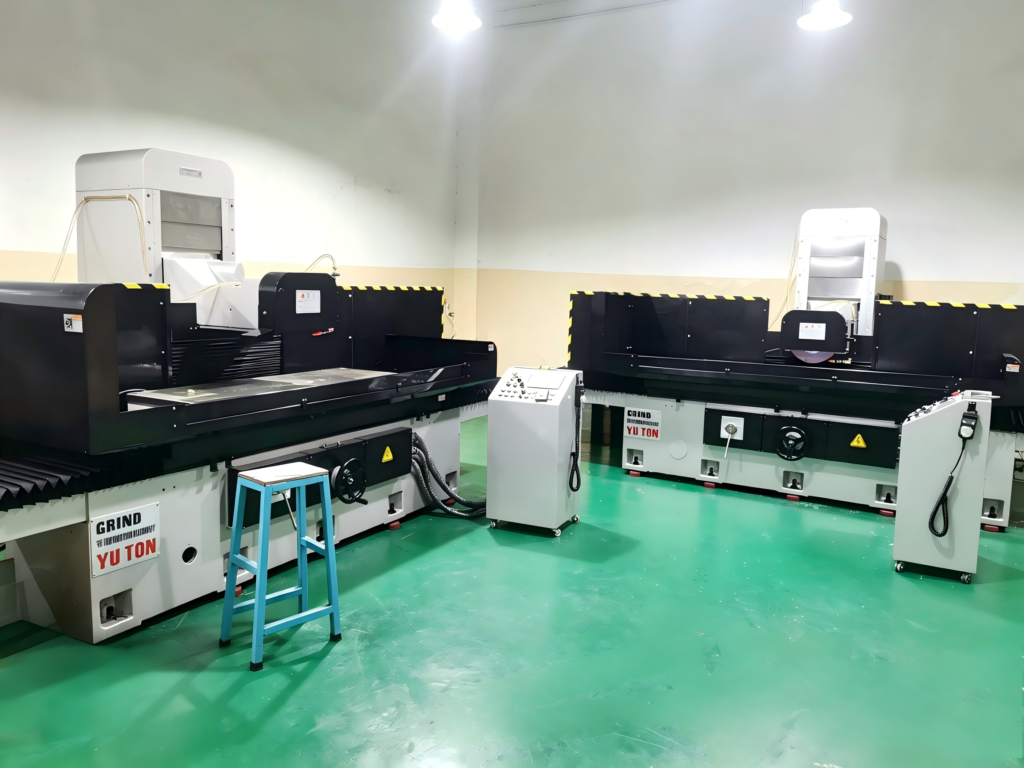
A hydraulic surface grinder uses hydraulic power to drive the worktable and grinding head, delivering smooth, consistent motion for high-precision flat surface machining. In fact, as the global grinding machine market reached USD 68.8 billion in 2026, it is expected to grow to USD 114.2 billion by 2034. That’s why this guide from YUTON — a top Chinese manufacturer with 150 staff, 15,000㎡ facility, and 3,100+ units sold in 2025 — explains why a hydraulic surface grinder may be the right choice for your shop, what to look for when buying, and how to get the best return on your investment.
Why a Hydraulic Surface Grinder Is the Smart Choice for Precision Machining
In today’s manufacturing environment, a hydraulic surface grinder is one of the most reliable machines for precision flat grinding. As the global grinding machine market grows toward USD 114.2 billion by 2034, more shops are turning to hydraulic systems for their smooth operation, heavy-duty capability, and long service life.
According to Modern Machine Shop, automated production line bidding volume in the first half of 2026 grew 200% year-on-year, showing that manufacturers worldwide are investing heavily in upgraded grinding equipment. In addition, China’s domestic automated grinding sector has surpassed 9.2 billion RMB in annual revenue, with local brands now holding 62% market share.
With that in mind, what makes a hydraulic surface grinder stand out? And how do you pick the right one for your needs?
How a Hydraulic Surface Grinder Works
To understand this better, unlike manual grinders that rely on hand-wheel feed, or fully CNC machines driven by servo motors, this type of machine uses hydraulic cylinders to move the worktable back and forth. As a result, the motion is extremely smooth and free from vibration — which is essential when you need flatness within 0.005mm and surface finish below Ra 0.2μm.
Hydraulic Drive vs. Manual and CNC Options
To start with, here is a quick comparison:
• Manual Grinder: Low cost, good for simple jobs. However, it depends on operator skill and is slow for batch work.
• Hydraulic Surface Grinder: Smooth table motion, good load capacity, reliable for medium to large batch production. Also, the hydraulic system absorbs shock well, which protects the workpiece surface.
• CNC Grinder: Highest precision and automation. But it comes at a higher price and needs more setup time for simple jobs.
All in all, for many shops, a hydraulic surface grinder hits the sweet spot between cost and capability. The Society of Manufacturing Engineers notes that choosing the right level of automation is key to balancing productivity with investment.
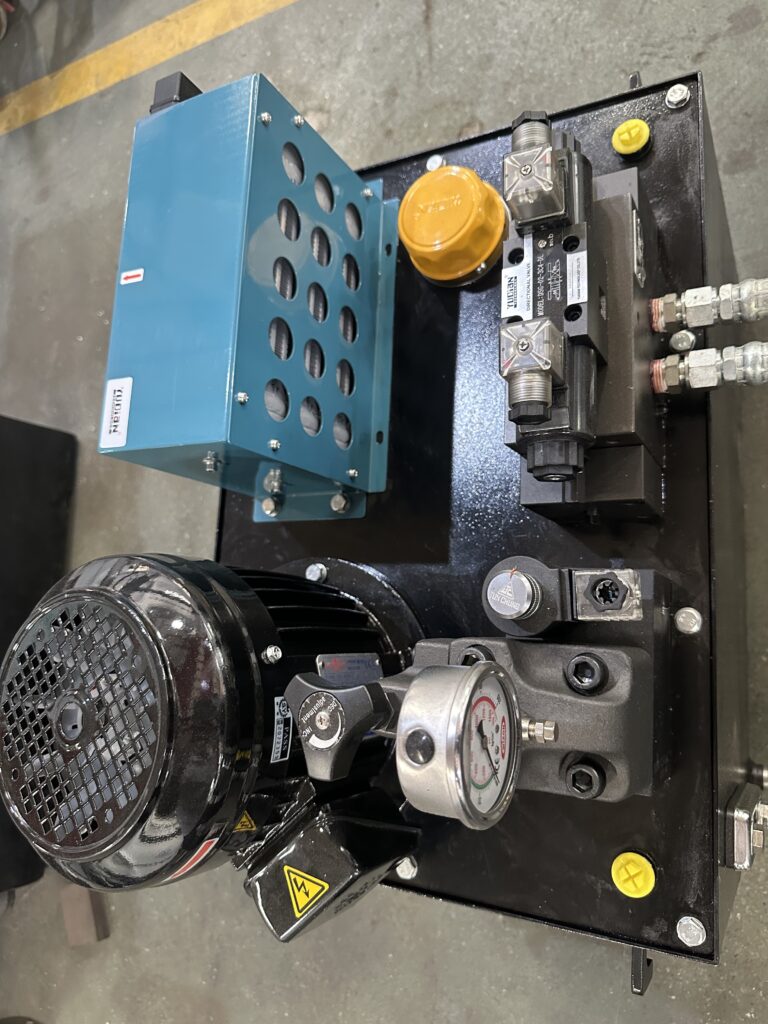
Key Parts of the Hydraulic System
To understand the system, here are four main parts:
• Hydraulic Pump: Provides pressurized oil to drive the cylinders.
• Control Valves: Regulate flow speed and direction for precise table movement.
• Hydraulic Cylinders: Convert oil pressure into linear motion.
• Cooling and Filtration: Keeps oil clean and at the right temperature.
As a rule, a well-maintained hydraulic system can run for 10+ years without major overhaul.
Why Manufacturers Choose a Hydraulic Surface Grinder in 2026
In fact, there are several reasons this machine type remains popular in modern factories.
Heavy-Duty Cutting Power
For one thing, hydraulic drive delivers strong, steady force — ideal for grinding large or heavy workpieces. Specifically, whether you’re machining mold bases, die plates, or machine ways, the table can handle loads up to several tons without losing smoothness.
Cost-Effective for Batch Production
Moreover, the price of a hydraulic surface grinder is typically 30-50% lower than a comparable CNC machine. For shops running medium-volume batches (50-500 parts per run), it offers the best balance of speed, precision, and investment.
Easy Operation and Maintenance
What’s more, hydraulic grinders are simpler to operate than CNC machines. Operators need less training, and daily maintenance is straightforward — check oil level, clean filters, and inspect seals. As a result, downtime stays low and productivity stays high.
Compatibility with Automation Upgrades
On top of that, many modern hydraulic surface grinders come with pre-set interfaces for robotic loading and automatic dressing. So when your production volume grows, you can add automation without replacing the whole machine.
For quality standards in grinding operations, refer to ISO 9001 requirements.
How to Choose the Right Hydraulic Surface Grinder
In practice, picking the right machine comes down to five key factors.
Table Size and Load Capacity
First, match the table size to your largest workpiece. Common sizes range from 200×500mm to 600×1800mm. Also, make sure the maximum table load exceeds your heaviest workpiece by at least 20%.
Spindle Type and Precision
Second, the spindle is the heart of any grinder. Look for:
• Hydrostatic or dynamic-pressure spindles for highest precision (runout ≤ 0.002mm)
• High rigidity bearings for heavy cuts
• Low thermal growth for consistent results
Automation Readiness
Third, even if you don’t need full automation now, choose a machine with ready-made ports for future upgrades. Specifically, look for:
• Pre-wired solenoid valves for auto-table stops
• Mounting points for probe systems
• OPC UA or similar communication ports
Manufacturer Reputation
Fourth, buy from a proven maker. Check for ISO certification, CE marking, and real customer installations in your region. A reliable surface grinder manufacturer will also offer technical support and spare parts availability.
According to AMT – The Association For Advancing Technology, selecting equipment from qualified suppliers is the first step toward a successful manufacturing operation.
After-Sales Service
Finally, fast technical support matters. Make sure the supplier offers 24-hour response, has regional service engineers, and keeps spare parts in stock. Otherwise, a small problem can turn into weeks of downtime.
YUTON Hydraulic Surface Grinders: Built for Global Manufacturers
Specifically, YUTON’s hydraulic surface grinders are designed for shops that need reliable precision at a fair price. In detail, here’s what you get:
• Table sizes from 450×1500mm to 700×2000mm
• Hydrostatic spindle option (runout ≤ 0.002mm)
• Full ISO 9001 quality management
• CE compliance for European markets
• Pre-configured automation interfaces
• 150 skilled workers and 15,000㎡ factory in Dongguan
In fact, with 3,100+ units sold in 2025 (top 3 in China) and exports to 50+ countries, YUTON combines Japanese, Taiwanese, and American core components with strict quality control. That’s why manufacturers in USA, Germany, Turkey, and Southeast Asia trust YUTON machines.
Additionally, for European market compliance details, check EU machinery directives.
Industries That Benefit Most from a Hydraulic Surface Grinder
In general, many sectors rely on this machine type for daily production.
Mold and Die Making
In this field, flat surface quality directly affects mold closing precision. A hydraulic surface grinder delivers the mirror-like finish (Ra 0.1-0.2μm) that injection molds and stamping dies need.
Automotive Parts
From engine blocks to brake discs, automotive components demand consistent flatness and parallelism. Also, the hydraulic system’s smooth motion prevents chatter marks on hardened steel surfaces.
Aerospace Components
Similarly, landing gear plates, turbine mounts, and structural brackets all need tight tolerances. Therefore, the vibration-free cutting of a hydraulic grinder is a great fit for these critical parts.
General Machining Shops
For job shops running mixed work every day, a manual surface grinder handles small jobs, while a hydraulic machine takes on the heavier, higher-volume work. Meanwhile, CNC grinders handle the most complex geometry.
ROI: What to Expect from Your Investment
Generally, the payback period for a hydraulic surface grinder is usually 12-18 months. To be specific, here’s how the savings add up:
• Labor: One machine with auto-cycle replaces 1.5-2 manual operators
• Scrap reduction: Consistent hydraulic motion cuts scrap by 30-50%
• Energy: Modern hydraulic systems use 20-30% less power than older designs
• Maintenance: Simple hydraulic circuits cost less to maintain than complex servo systems
For more detailed cost analysis, you can also check manufacturing cost benchmarks from industry publications.
Conclusion: Is a Hydraulic Surface Grinder Right for Your Shop?
To sum up, if your shop runs medium-to-large batch work, needs heavy-duty capability, and wants a machine that’s easy to operate and maintain, a hydraulic surface grinder is a strong choice. With the global market growing fast and automation interfaces becoming standard, now is a good time to invest.
To get started, YUTON offers a full range of hydraulic surface grinders, automatic large grinders, and CNC surface grinders — all backed by ISO 9001, CE compliance, and 24-hour global technical support.
Ready to upgrade your grinding operation?
FAQ
Q: What is a hydraulic surface grinder?
A: Basically, it’s a surface grinding machine that uses hydraulic cylinders to drive the worktable movement. As a result, the cutting action is very smooth and vibration-free — which makes it ideal for precision flat grinding.
Q: How does a hydraulic surface grinder compare to a CNC grinder?
A: Well, a hydraulic grinder is simpler, easier to operate, and costs 30-50% less than CNC alternatives. However, CNC grinders offer higher automation and work better for complex geometry. In most cases, though, the hydraulic type gives you the best value for batch production.
Q: What maintenance does a hydraulic surface grinder need?
A: On a daily basis, you should check oil level, filter condition, and seal inspection. In most cases, a full hydraulic system overhaul is only needed after 8-10 years of normal use.
Q: Can a hydraulic surface grinder handle automation?
A: Yes, it can. In fact, many modern models come with pre-wired ports for robotic loading, auto-dressing, and probe integration. So you can start with manual operation and add automation later as needed.
Q: What industries use hydraulic surface grinders most?
A: The top users include mold and die making, automotive parts, aerospace components, and general machining shops. In addition, any shop that needs consistent flat surface quality on medium-to-large batches will also benefit from this machine type.