
Glass Grinding Machine: A Complete Guide for Precision Glass Machining
In modern manufacturing, glass is widely used in industries such as electronics, optics, and precision components. To achieve high accuracy and surface quality, choosing the right glass grinding machine is essential.
Whether you are processing flat glass, optical glass, or technical components, the right grinding solution can significantly improve efficiency and consistency.
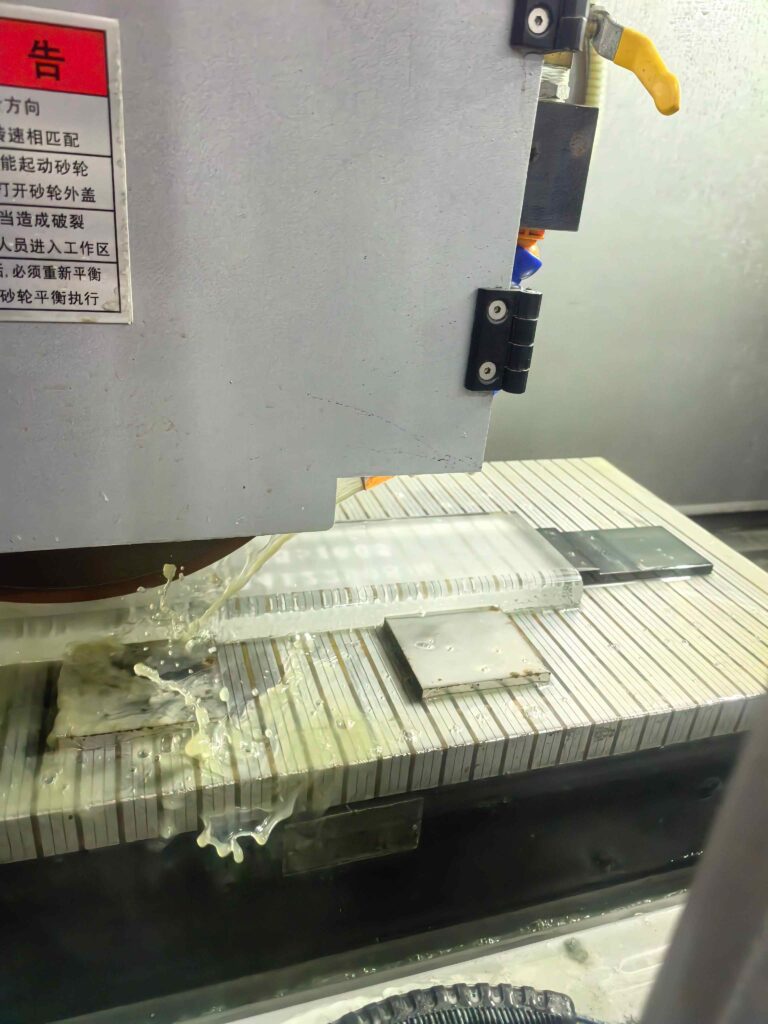
What Is a Glass Grinding Machine?
A glass grinder machine is designed to remove material from glass surfaces through abrasive grinding. Unlike polishing, grinding focuses on achieving dimensional accuracy and flatness.
These machines are commonly used for:
- Surface grinding of glass plates
- Precision component finishing
- Optical glass preparation
- Industrial glass processing
Types of Glass Grinder Machines
Different applications require different machine configurations. Below are the most common types of glass grinder machine used in industrial environments.
1. Manual Glass Grinder Machine
Manual machines are ideal for small workshops and precision tasks requiring operator control.
Advantages:
- Low investment cost
- Flexible operation
- Suitable for custom parts
2. Hydraulic Surface Grinding Machine
Hydraulic systems improve efficiency by automating table movement.
Advantages:
- Stable performance
- Better surface consistency
- Reduced operator fatigue
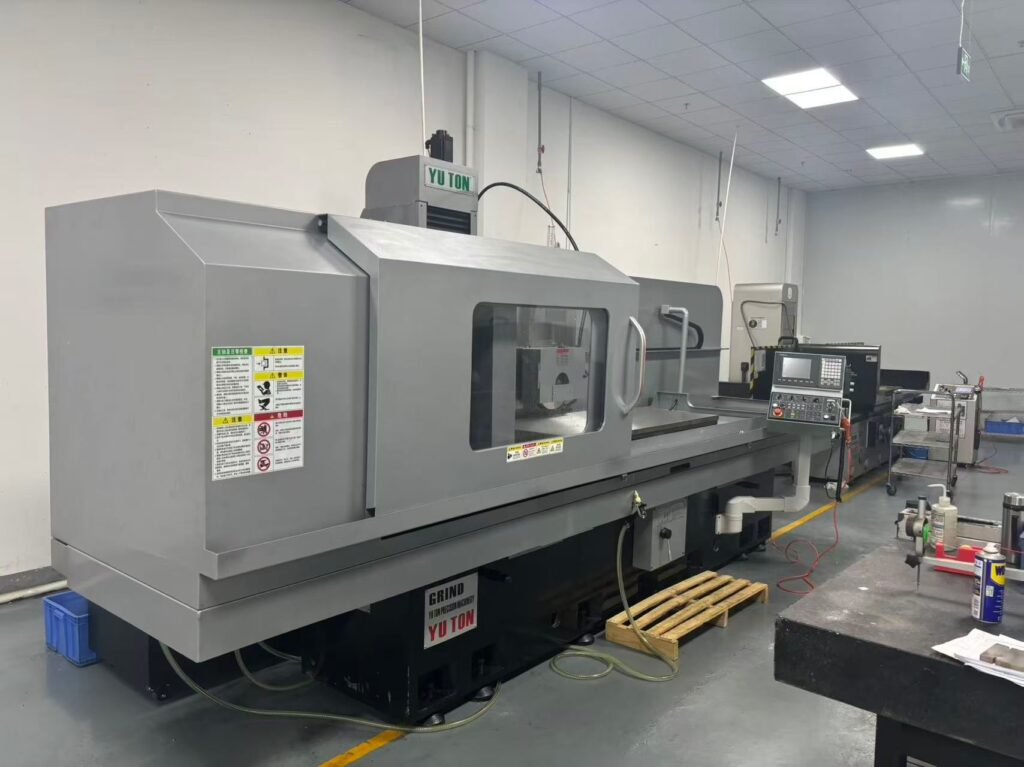
3. CNC Glass Grinding Machine
A CNC glass grinder machine is the most advanced solution for high-precision and high-volume production.
Key Features:
- Programmable control
- High repeatability
- Complex shape grinding capability
Applications:
- Optical components
- Semiconductor glass substrates
- High-precision industrial parts
Key Benefits of Precision Glass Grinding
Using a high-quality grinding system offers several advantages:
✔ High Accuracy
Achieve micron-level precision for demanding applications.
✔ Superior Surface Finish
Ensure consistent flatness and surface quality.
✔ Material Versatility
Suitable for different types of glass, including:
- Optical glass
- Tempered glass
- Technical glass materials
✔ Improved Productivity
Especially when using CNC automation.
How to Choose the Right Glass Grinding Machine
Selecting the right machine depends on your production needs. Here are key factors to consider:
1. Precision Requirements
For high-end applications, choose a CNC glass grinding machine.
2. Production Volume
- Low volume → Manual grinder
- Medium volume → Hydraulic machine
- High volume → CNC system
3. Workpiece Size
Ensure the machine table matches your glass dimensions.
4. Surface Finish Requirements
Higher finish demands require better spindle and control systems.
Typical Applications of Glass Grinding Machines
Glass grinding technology is widely used across industries:
- Optical lens manufacturing
- Electronics and display panels
- Mold and die components
- Precision engineering parts
Why Choose a Professional Glass Grinder Machine Manufacturer?
Working with an experienced manufacturer ensures:
- Stable machine quality
- Customizable solutions
- Reliable technical support
- Long-term performance
Manufacturers specializing in precision grinding equipment can provide tailored solutions for different glass processing needs.

Conclusion
A glass grinding machine plays a critical role in achieving precision and efficiency in modern glass processing. From manual systems to advanced CNC glass grinding machines, choosing the right equipment directly impacts your product quality and production efficiency.
If you are looking for a reliable solution for precision glass machining, selecting the right configuration and manufacturer is the key to long-term success.