Automatic Surface Grinding: How to Reduce Defects and Improve Consistency
Surface grinding defects are a common issue in many factories, even after upgrading to automated equipment. Problems such as burn marks, poor surface finish, and dimensional variation still affect production quality and increase scrap rates.
The real value of automatic surface grinding lies in process control—not just automation. When properly configured, it can significantly reduce defects and improve consistency across batches.
This guide explains why problems happen and how to fix them effectively.
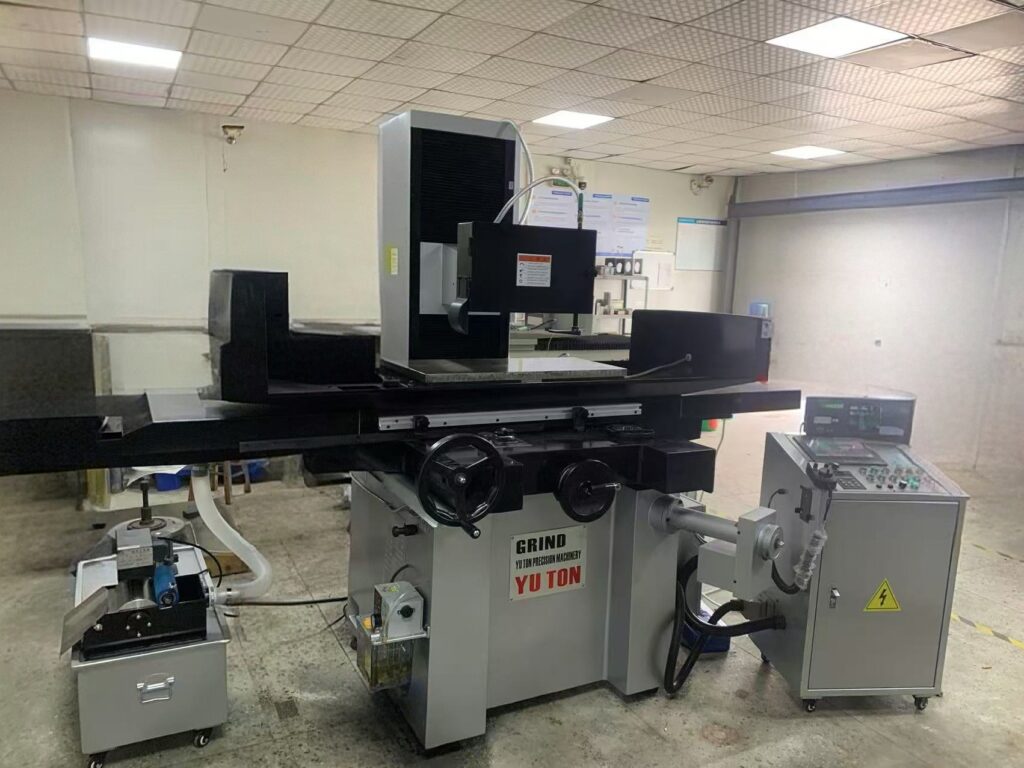
Table of Contents
- Common Defects in Automatic Surface Grinding
- Why Automatic Surface Grinding Still Fails
- How Automatic Surface Grinding Improves Consistency
- Key Factors Affecting Grinding Quality
- Practical Solutions to Reduce Grinding Defects
- YUTON Automatic Grinding Solution
- Request Quote
- FAQ
Common Surface Grinding Defects
Even with advanced systems, defects can still occur in automatic surface grinding processes.
Surface Burn
Excess heat leads to discoloration or microstructural damage.
Poor Surface Finish
Uneven grinding conditions result in rough surfaces.
Dimensional Variation
Inconsistent feed or machine vibration affects accuracy.
Chatter Marks
Machine instability causes visible vibration patterns.
Why Surface Grinding Defects Still Occur
Many users assume automation guarantees quality. In reality, poor setup leads to unstable automatic surface grinding results.
Machine Rigidity Issues
Lightweight machines cannot absorb vibration effectively.
Incorrect Parameters
Improper feed rate or grinding speed increases defects.
Grinding Wheel Mismatch
Wrong wheel type reduces finish quality.
Cooling System Problems
Insufficient coolant causes overheating.
How to Reduce Surface Grinding Defects
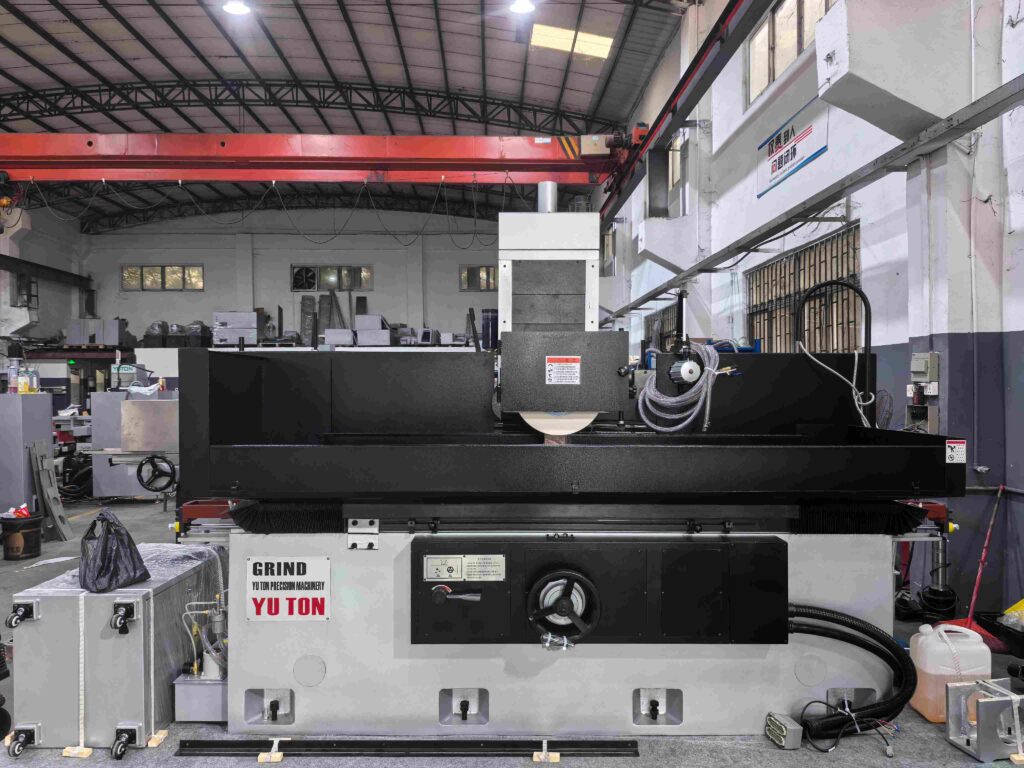
A well-designed automatic surface grinding machine system ensures stable and repeatable results.
Controlled Feed System
Uniform movement improves material removal consistency.
Repeatable Grinding Cycles
Automation reduces human variation.
Stable Spindle Performance
High-quality spindle maintains consistent cutting conditions.
Efficient Cooling
Proper cooling prevents thermal damage.
Key Factors Affecting Grinding Quality
To maximize automatic surface grinding performance, several factors must be controlled.
Machine Structure
Heavy casting improves stability and reduces vibration.
Component Quality
Premium components ensure long-term precision.
Process Standardization
Consistent setup reduces variation between batches.
Operator Understanding
Even automatic machines require correct parameter setup.
Practical Solutions for Grinding Defects
Factories can improve automatic surface grinding results with the following actions.
Optimize Parameters
Adjust feed, speed, and depth based on material.
Select Proper Grinding Wheel
Match wheel specification to application.
Improve Cooling Efficiency
Ensure stable coolant flow and filtration.
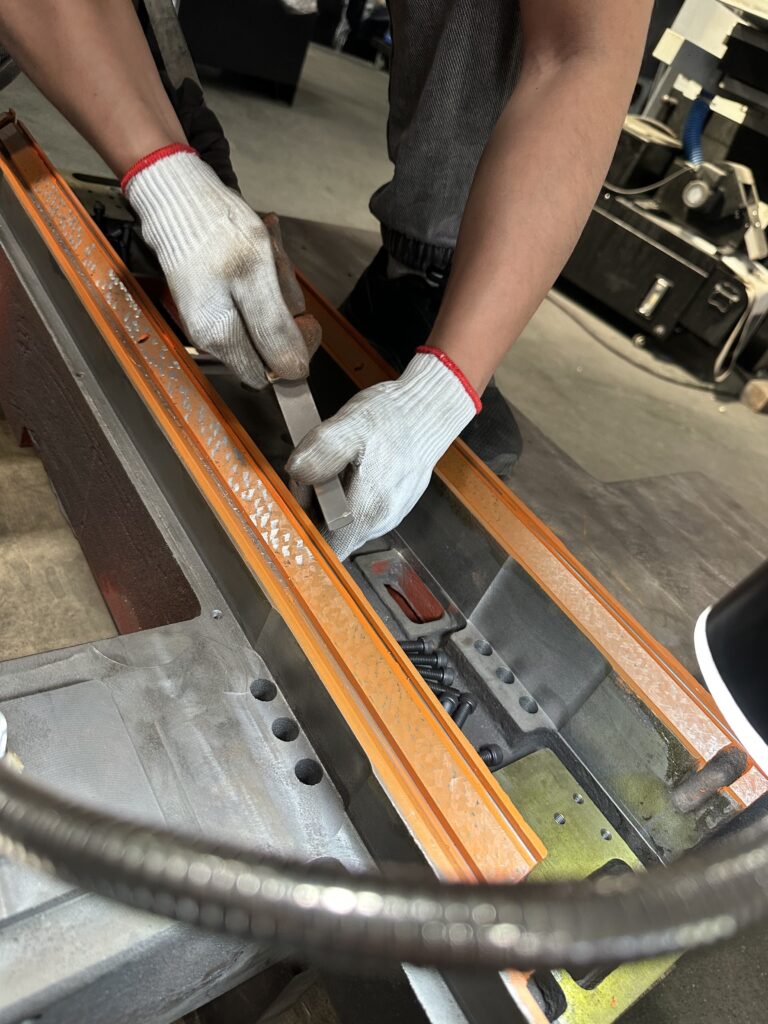
Perform Regular Maintenance
Maintain spindle accuracy and guideway condition.
YUTON Automatic Grinding Solution
YUTON provides stable and reliable solutions for automatic surface grinder applications.
Factory Strength
- 7 production buildings
- 15,000㎡ manufacturing area
- 150 technical staff
- ISO9001 certified system
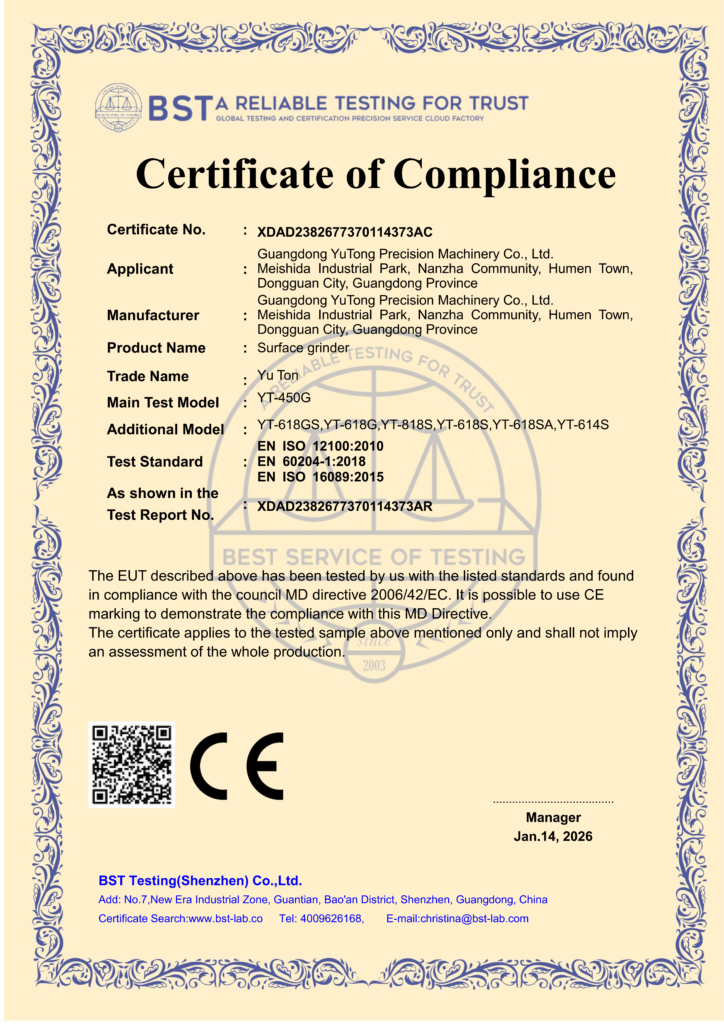
- CE certified export machines CE certification requirements
- Annual sales of 3,100 machines
Product Advantages
- High rigidity structure
- Precision spindle system
- Stable automatic control
- International brand components
- Export-ready packaging
- Fast global support