
Why the Surface Grinder Brazil Market Is Expanding
Several forces drive the surface grinder Brazil market:
- Automotive production: Brazil is the eighth-largest vehicle producer globally. Engine blocks, cylinder heads and brake components all require surface grinding.
- Oil and gas equipment: Offshore platforms and subsea components demand precision-ground sealing surfaces that meet strict safety standards.
- Aerospace sector: Embraer and its supply chain need tightly toleranced parts for aircraft structures and landing gear.
- General metalworking: Thousands of small and medium shops across São Paulo, Minas Gerais and Rio Grande do Sul need reliable grinding equipment for daily production.
Brazilian manufacturers increasingly seek modern grinders from https://surfacegrindermfg.com/ to replace aging machines and improve quality. ISO 9001 certification is widely valued in the Brazilian market — see https://www.iso.org/.
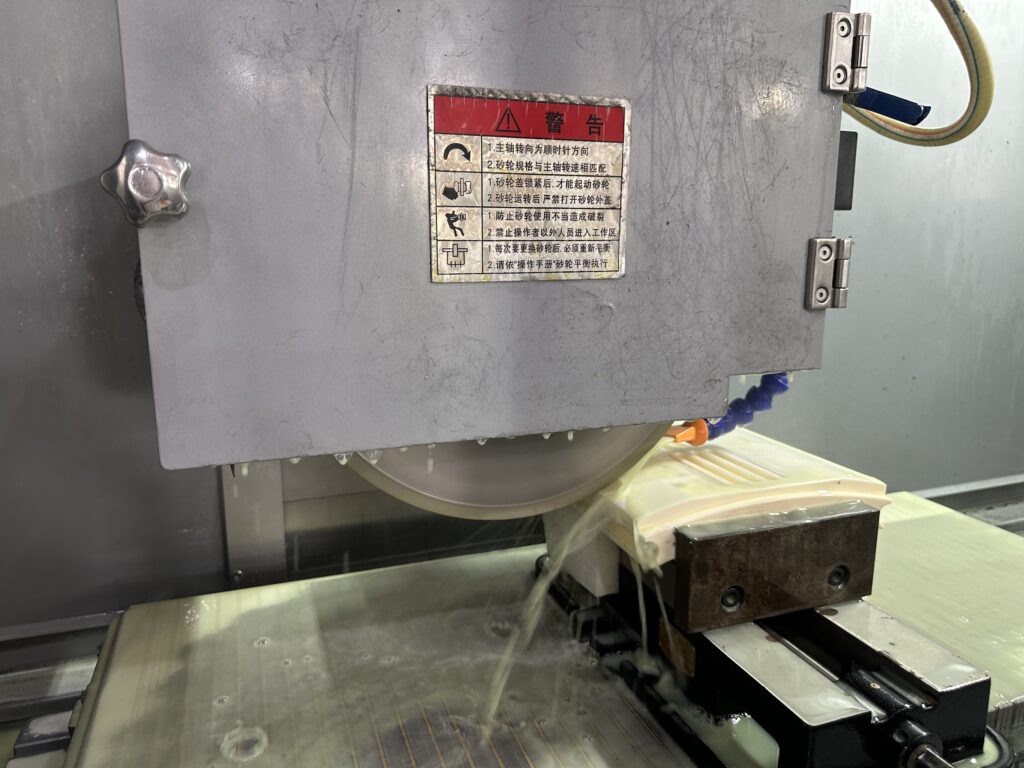
Key Industries Using Surface Grinders
A surface grinder Brazil buyer typically works in one of these sectors:
Automotive and Auto Parts
The automotive cluster around São Paulo and Minas Gerais produces vehicles and components for both domestic use and export. Surface grinders machine flywheels, valve seats, gasket surfaces and fixture plates. Both hydraulic and CNC types are in demand — see https://surfacegrindermfg.com/hydraulic-surface-grinder/ and https://surfacegrindermfg.com/cnc-surface-grinder/.
Oil and Gas
Petrobras and its suppliers require precision-ground flanges, valve bodies and pump components. These parts face extreme pressure and corrosion, so surface finish and flatness directly affect safety and reliability.
Aerospace
Embraer’s supply chain in São José dos Campos and nearby cities grinds structural brackets, landing gear components and turbine parts. Tight tolerances and traceability are mandatory. CNC surface grinders are the standard choice — see https://surfacegrindermfg.com/cnc-surface-grinder/.
MRO and General Engineering
Maintenance, repair and overhaul shops across Brazil need versatile grinders for rebuild work. Manual and hydraulic machines suit these variable-demand environments — see https://surfacegrindermfg.com/manual-surface-grinder/.
Import Requirements for Brazil
When importing a surface grinder Brazil buyers should understand:
- Import duty: Machine tools typically face 14 to 20 percent import duty under the Mercosur common external tariff. Check the specific NCM code for your grinder type.
- ICMS tax: States levy ICMS (value-added tax) on imported goods. Rates range from 12 to 18 percent depending on the state.
- INMETRO certification: Some equipment categories require INMETRO approval before sale in Brazil. Verify whether your machine model needs this certification.
- Customs clearance: Brazilian customs can be slow. Plan 3 to 6 weeks for clearance at ports like Santos, Itajaí or Paranaguá.
- Payment terms: Brazilian importers often use letters of credit. Suppliers experienced with Brazil understand these requirements.
The European Commission’s trade pages detail EU-Brazil trade relations and CE marking acceptance — see https://ec.europa.eu/.
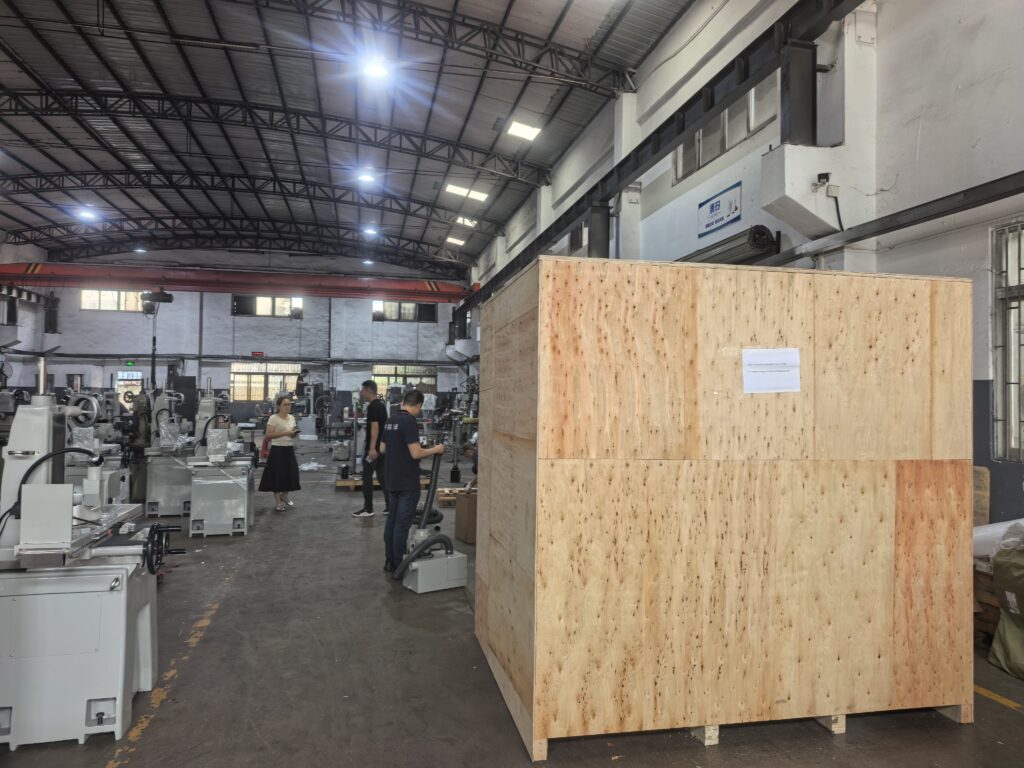
Choosing a Grinder for Brazilian Conditions
Brazil’s industrial environment has specific demands:
- Climate variation: From tropical north to temperate south, temperature and humidity vary widely. Machines with stable thermal performance and sealed components are essential.
- Power quality: Some industrial regions experience voltage fluctuations. Robust electrical systems protect the machine from damage.
- Coolant management: High ambient temperatures increase coolant evaporation. Large-capacity coolant tanks and effective mist collectors improve performance.
- Technical support: Local service availability is limited for many brands. Choose suppliers that offer remote support, video-guided maintenance and readily available spare parts.
Automatic surface grinders from https://surfacegrindermfg.com/automatic-surface-grinder/ are well-suited to Brazilian mid-volume production environments.
Surface Grinder Brazil: Evaluating Suppliers
Key evaluation criteria for the surface grinder Brazil market:
- ISO 9001 certification: Ensures consistent quality management at the manufacturer’s factory.
- Component quality: Ask about spindle, bearing and hydraulic component origins. Japanese, Taiwanese and American core parts deliver better reliability.
- Brazilian references: A supplier with existing customers in Brazil has already handled import logistics and support challenges.
- Warranty coverage: Confirm warranty terms, response time and whether remote diagnostics are available.
- Spare parts access: Downtime in production is costly. Ensure critical spare parts ship within days, not weeks.
The Association for Manufacturing Technology provides global supplier evaluation resources — see https://www.amtonline.org/. The Society of Manufacturing Engineers also covers machine tool sourcing best practices — see https://www.sme.org/. Modern Manufacturing offers additional guidance on importing machine tools into Latin America — see https://www.mmsonline.com/.
Conclusion
The surface grinder Brazil market offers strong opportunities driven by automotive, oil and gas, aerospace and general engineering demand. Understanding import duties, INMETRO requirements and local operating conditions helps Brazilian manufacturers make informed purchases. For grinders built for reliability and precision, visit https://surfacegrindermfg.com/.