
Choosing the right surface grinder for toolroom operations can make the difference between efficient die maintenance and costly production delays. Toolrooms demand equipment that delivers consistent accuracy on small to medium workpieces. Therefore, understanding what matters most in a toolroom grinder helps you invest wisely.
What Makes a Surface Grinder for Toolroom Different
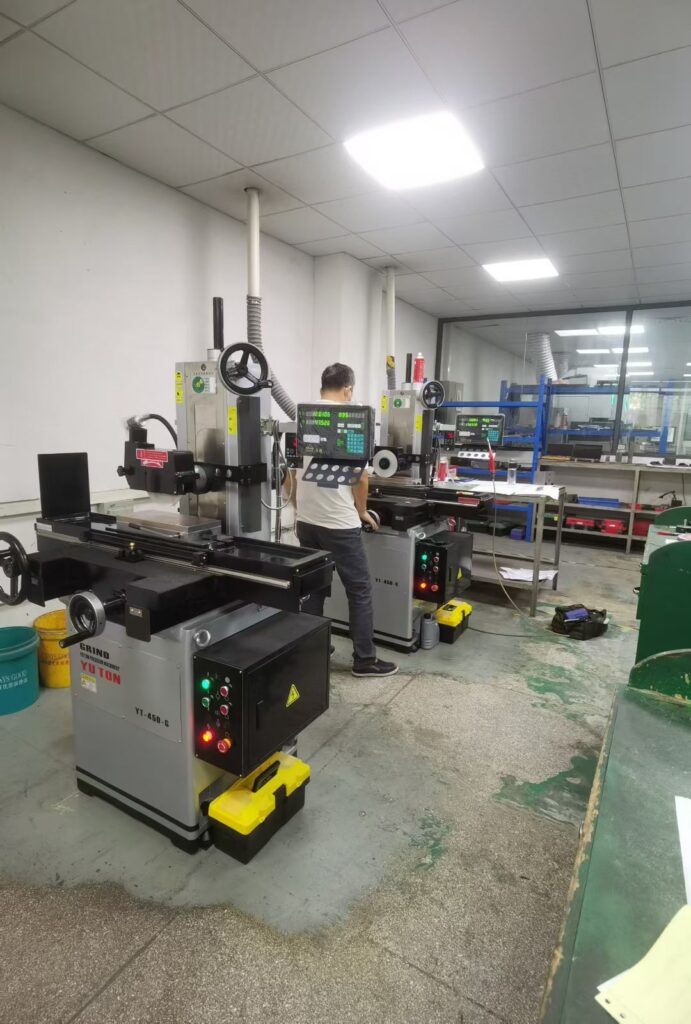
A surface grinder for toolroom use faces unique requirements compared to production grinding. First, toolroom work involves frequent setup changes and diverse part geometries. As a result, the machine must be easy to adjust while maintaining tight tolerances.
Moreover, toolroom operators often handle one-off jobs or short runs. Consequently, quick changeover capability and intuitive controls are essential. A machine that takes too long to set up defeats the purpose of in-house tool maintenance.
In addition, workpiece materials vary widely in a toolroom — from hardened tool steels to soft aluminum. Therefore, the grinder must accommodate different wheel types and grinding parameters without complicated recalibration. Explore versatile options at https://surfacegrindermfg.com/
Key Specifications to Evaluate
When shopping for a surface grinder for toolroom applications, focus on these critical specs:
- Table size and travel — Toolroom parts are typically small to medium. A 150×300mm or 200×450mm table covers most needs.
- Spindle precision — Runout below 0.002mm ensures the surface finish quality that toolrooms require. Learn about precision models at https://surfacegrindermfg.com/cnc-surface-grinder/
- Manual vs. automatic feed — Manual machines offer flexibility for one-off jobs, while automatic feed improves consistency on repetitive tasks. Compare at https://surfacegrindermfg.com/manual-surface-grinder/
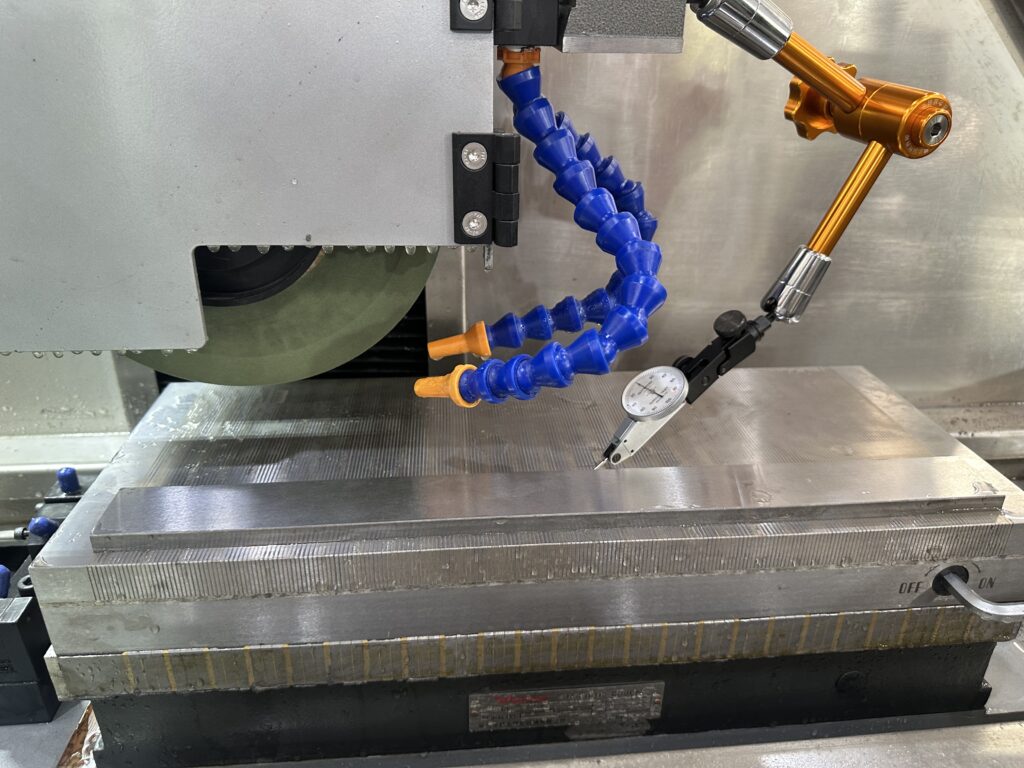
- Coolant system — Effective coolant delivery prevents thermal damage on precision tool components.
- Wheel dresser — An integrated dresser saves time and keeps wheels sharp between jobs.
Manual or CNC: Which Surface Grinder for Toolroom Fits You?
This is the most common question toolroom managers face. In fact, the answer depends on your typical workload.
A manual surface grinder for toolroom use offers maximum flexibility. Operators can feel the cut and make real-time adjustments, which is invaluable for delicate die work. Furthermore, manual machines cost less upfront and require minimal programming knowledge.
On the other hand, a CNC surface grinder for toolroom applications shines when you have recurring jobs with tight tolerances. Once programmed, it repeats consistently — saving time on batch rework. Discover CNC advantages at https://surfacegrindermfg.com/cnc-surface-grinder/
Additionally, PLC-controlled models combine the best of both worlds. Operators can switch between manual and automatic modes depending on the task. This hybrid approach is increasingly popular in modern toolrooms. The Society of Manufacturing Engineers discusses these trends at https://www.sme.org/
Common Toolroom Applications
A surface grinder for toolroom use handles a wide range of tasks:
- Die and mold rework — Restoring flat surfaces on worn stamping dies and injection molds
- Gauge block lapping — Achieving reference-grade flatness for measurement standards
- Fixture fabrication — Grinding locating surfaces on custom fixtures
- Cutting tool refurbishment — Resharpening and regrinding worn cutting tools
- Prototype finishing — Delivering precision surfaces on first-article parts
Each application demands slightly different grinding parameters. Therefore, having a versatile machine with adjustable speed and feed controls is crucial for toolroom productivity.
How to Maximize Your Surface Grinder for Toolroom Productivity
Owning the right machine is only the beginning. Here are proven tips to get the most from your surface grinder for toolroom operations:
- Keep the magnetic chuck clean and flat — debris causes uneven clamping and poor results
- Dress the wheel before each critical job to ensure sharp cutting grains
- Use the right wheel grade — softer wheels for hardened steel, harder wheels for soft materials
- Check wheel balance regularly to avoid vibration marks on finished surfaces
- Document setups for recurring jobs to reduce changeover time
The International Organization for Standardization provides quality management frameworks that support these best practices at https://www.iso.org/ For advanced grinding techniques, Modern Machine Shop offers practical guidance at https://www.mmsonline.com/
Why YUTON Surface Grinders Suit Toolroom Needs
YUTON manufactures surface grinders that align well with toolroom requirements. With 150 employees and 15,000 square meters of production space in Dongguan, China, YUTON delivers machines built for daily reliability.
Specifically, YUTON’s manual and PLC-controlled models are popular among toolroom operators worldwide. The manual surface grinder offers the hands-on control that toolmakers prefer, while PLC models add automation for repetitive grinding tasks. See the hydraulic option at https://surfacegrindermfg.com/hydraulic-surface-grinder/
Furthermore, YUTON uses core components sourced from Japan, Taiwan, and the United States. This ensures the spindle accuracy and long-term stability that toolroom work demands. With 3,100 units sold in 2025 and ISO 9001 plus CE certifications, YUTON is a proven partner for precision grinding. The European Commission’s machinery standards provide additional reference at https://ec.europa.eu/
Explore the full product range and request a quote at https://surfacegrindermfg.com/
Conclusion
Selecting the right surface grinder for toolroom use requires understanding your specific workload, desired precision, and operator preferences. Whether you choose a manual, CNC, or PLC-controlled model, the key is matching machine capabilities to your actual toolroom tasks. With the right equipment and proper technique, your toolroom can deliver consistent, high-quality results on every job.
For reliable surface grinders backed by ISO 9001 and CE certifications, visit https://surfacegrindermfg.com/automatic-surface-grinder/