
Turkey’s manufacturing sector is one of the largest in Europe and the Middle East, producing everything from automotive components to industrial machinery for domestic and export markets. As Turkish factories expand and modernize, demand for precision grinding equipment continues to grow. This grinding machine Turkey guide covers the key industries driving demand, import landscape, regulatory requirements, and practical advice for Turkish buyers sourcing surface grinders from international suppliers.
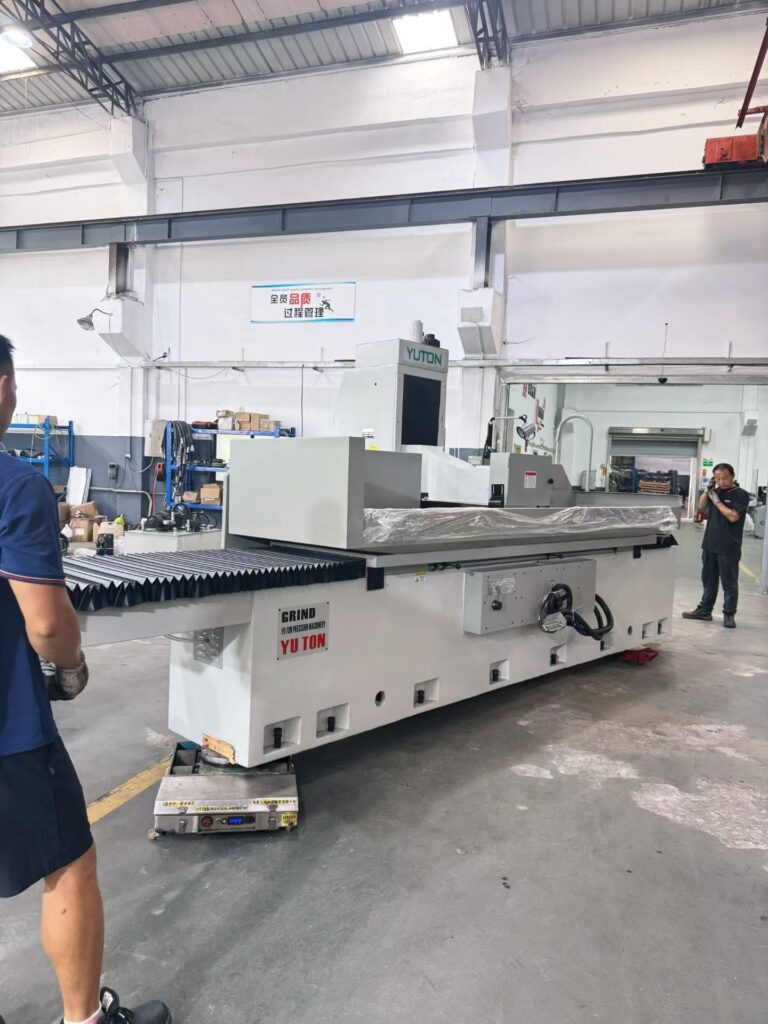
Turkey’s Manufacturing Landscape
Turkey ranks among the world’s top 20 manufacturing nations. The country produces over 1.5 million vehicles annually, hosts a thriving mold and die sector, and supplies industrial equipment to markets across Europe, the Middle East, and North Africa.
Key factors driving grinding machine demand in Turkey include:
- Automotive production: Ford, Toyota, Hyundai, Renault, and Stellantis operate major plants in Turkey, supported by hundreds of local parts suppliers.
- Appliance manufacturing: Turkey is a global hub for white goods production, with brands like Beko and Vestel exporting worldwide.
- Mold and die industry: Turkish tool shops serve domestic and European OEMs, requiring precision grinding for injection molds and stamping dies.
- Defense and aerospace: Turkey’s growing defense sector demands tight-tolerance grinding for weapon systems, UAV components, and aerospace structures.
- Infrastructure investment: Government-backed infrastructure projects drive demand for industrial machinery and precision components.
According to the European Commission’s trade data, Turkey is one of the largest machine tool importers in the region, with grinding machines representing a significant and growing share of capital equipment purchases.
Key Industries Using Grinding Machines in Turkey
Automotive and Tier Suppliers
Turkish automotive suppliers produce engine blocks, crankshafts, transmission components, brake discs, and stamping dies. Surface grinding ensures the flatness, parallelism, and surface finish these parts require. Both CNC and hydraulic surface grinders serve this sector, depending on production volume and tolerance requirements.
Mold and Die Manufacturing
Turkey’s mold-making industry is well-established, particularly in the Istanbul, Bursa, and Kocaeli regions. Precision grinding is essential for mold bases, cavity inserts, and die shoes. CNC surface grinders with adaptive control deliver the consistency that export-quality molds demand.
White Goods and Consumer Electronics
Appliance manufacturers require precision-ground components for compressor parts, motor laminations, and assembly fixtures. Surface grinding supports both high-volume production and tooling maintenance for these sectors.
Defense and Aerospace
Turkey’s defense industry produces armored vehicle components, missile guidance parts, and drone structures that require tight-tolerance grinding. These applications often require machines that meet both ISO quality standards and specific military or aerospace quality certifications.
General Industrial Machinery
Turkish factories producing pumps, valves, hydraulic systems, and gearboxes rely on surface grinding for seal faces, bearing journals, and mounting surfaces. These applications typically use hydraulic or automatic surface grinders for efficient production.
Import Landscape: How Turkish Buyers Source Grinding Machines
Turkey imports the majority of its grinding machines. The competitive landscape includes several source regions.
European Machines
German, Italian, and Spanish grinding machines dominate the premium segment in Turkey. European brands benefit from geographic proximity, established dealer networks, and perceived quality advantages. However, their pricing is significantly higher—often 2–3 times the cost of comparable Asian alternatives.
Japanese and Taiwanese Machines
Japanese and Taiwanese grinders have a strong reputation in Turkey for spindle quality and long-term reliability. Their mid-range pricing makes them popular among established Turkish manufacturers who prioritize proven brands.
Chinese-Built Machines
Chinese surface grinders have gained substantial market share in Turkey over the past decade. Improved build quality, wider availability of ISO 9001 certification, and competitive pricing make them the preferred choice for cost-conscious buyers who still need reliable precision.
For Turkish buyers evaluating Chinese suppliers, YUTON offers CE-certified surface grinders with Japanese, Taiwanese, and American core components—delivering production-grade precision at a price point that suits Turkey’s competitive manufacturing environment.
Regulatory and Compliance Requirements
Understanding Turkey’s import and compliance framework is essential for smooth procurement.
CE Marking
Although Turkey is not an EU member, it maintains a customs union with the EU for industrial goods. Grinding machines sold in Turkey must carry the CE mark under the same EU Machinery Directive (2006/42/EC) requirements that apply in Europe. This includes compliance with safety, electrical, and noise standards.
Customs Duties
Turkey applies customs duties on grinding machine imports that vary by machine type and origin. For machines imported from countries without a free trade agreement, typical duty rates range from 2% to 5%. Machines imported from EU countries benefit from customs union provisions with reduced or zero duties.
Turkish buyers sourcing from non-EU suppliers like China should factor customs duties into their total cost calculations.
Electrical Standards
Turkish industrial power is 380V three-phase at 50Hz, compatible with European-standard equipment. Ensure that grinding machines are configured for this voltage and frequency, and that electrical components carry proper certification.
Documentation and Language
Import documentation must include the CE Declaration of Conformity, packing lists, invoices with correct HS codes, and certificates of origin. While English documentation is widely accepted in Turkish industry, having user manuals available in Turkish facilitates operator training and regulatory compliance.
5 Tips for Turkish Buyers Sourcing Grinding Machines
1. Verify the Manufacturer
Confirm that your supplier is a direct manufacturer, not a trading company. Manufacturers offer better pricing, customization options, and accountable after-sales support. Request factory photos, production videos, or arrange a virtual factory tour.
2. Check Certifications Thoroughly
Request copies of ISO 9001 certificates and CE documentation during the quotation stage. Verify that CE marking is genuine and supported by a complete technical file. According to EU product compliance guidelines, buyers should confirm the notified body number for machines requiring third-party assessment.
3. Evaluate Component Quality
Ask specifically about the brands used for linear guideways, ball screws, spindle bearings, and hydraulic components. Machines built with components from established Japanese, Taiwanese, or American brands deliver better long-term performance and easier spare parts sourcing.
YUTON’s hydraulic surface grinders use premium core components from global suppliers, ensuring reliable operation in demanding Turkish production environments.
4. Plan for After-Sales Support
Confirm that your supplier provides installation guidance, operator training, and spare parts availability. Remote technical support via video call has become standard for international suppliers, reducing the need for expensive on-site service visits. Ask about typical spare parts delivery times—reliable suppliers ship common parts within 3–7 days.
5. Consider Total Cost of Ownership
Purchase price is only part of the equation. Factor in shipping, customs duties, installation, training, spare parts, and ongoing maintenance when comparing suppliers. A lower purchase price from a supplier with poor support often costs more over the machine’s 15–20 year service life.
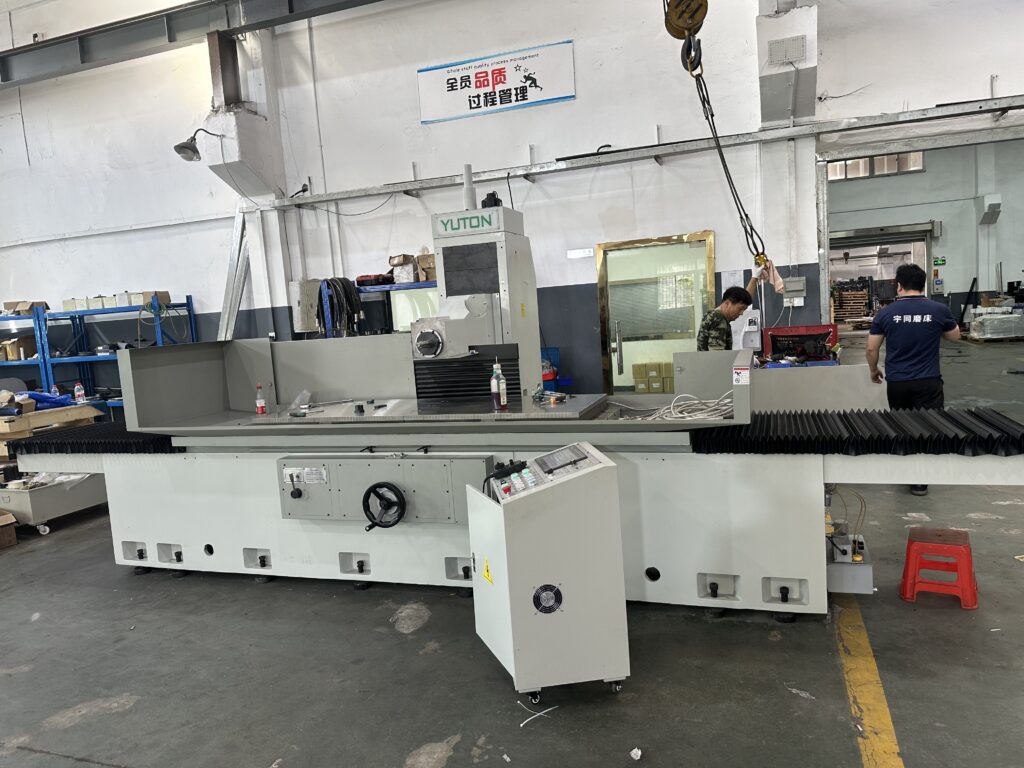
Why Turkish Manufacturers Choose YUTON
YUTON (广东宇同精密机械有限公司) has built growing relationships with Turkish manufacturers by addressing the specific needs of this market:
- CE certification: All grinding machines carry genuine CE marking with full technical documentation, ensuring compliance with Turkish import regulations.
- European-compatible specifications: Machines configured for 380V three-phase power at 50Hz, with CE-marked electrical components.
- Premium core components: Parts from Japanese, Taiwanese, and American brands deliver the precision and durability that Turkish export manufacturers require.
- Competitive pricing: YUTON grinders offer precision comparable to mid-range European brands at a significantly lower total cost of ownership.
- Production scale: 150 employees, 15,000㎡ factory, 3,100+ units per year—top three in China by volume.
- Proven export experience: Successful deliveries across Europe, Russia, Middle East, and Southeast Asia—markets with similar requirements to Turkey.
For Turkish buyers seeking automatic surface grinders for medium-to-high volume production, or manual surface grinders for toolroom applications, YUTON provides a practical combination of quality, compliance, and value.
Turkish Grinding Machine Market Outlook
Turkey’s manufacturing sector continues to expand, driven by both domestic consumption and export growth. Several trends will shape grinding machine demand through 2026 and beyond:
- Automation adoption: Turkish factories are increasingly investing in CNC and automated grinding equipment to address rising labor costs and quality expectations from European customers.
- Industry 4.0 readiness: Larger Turkish manufacturers are requesting IoT-capable machines that integrate with smart factory initiatives.
- Local content requirements: Defense and energy sector procurement often includes local content requirements, driving investment in Turkish manufacturing capability and the precision equipment that supports it.
- Sustainability focus: Energy-efficient grinding machines with lower power consumption are gaining attention as Turkish manufacturers face rising energy costs.
Final Thoughts
The grinding machine Turkey market offers significant opportunity for both buyers and suppliers. Turkish manufacturers need reliable, certified precision grinding equipment at competitive prices—and international suppliers who understand the market’s specific requirements are well positioned to serve this demand.
For Turkish buyers, the key to a successful purchase lies in thorough supplier evaluation: verify certifications, check component quality, plan for after-sales support, and calculate total cost of ownership. The right supplier becomes a long-term partner who supports your production goals for years to come.