
IoT grinding machine monitoring is no longer a future concept—it is an operational reality that forward-thinking machine shops are deploying today. By connecting sensors, edge gateways, and cloud analytics to grinding equipment, manufacturers gain real-time visibility into machine health, process stability, and production output. This guide explains how IoT monitoring works in grinding operations, the measurable benefits it delivers, and how to implement it step by step.
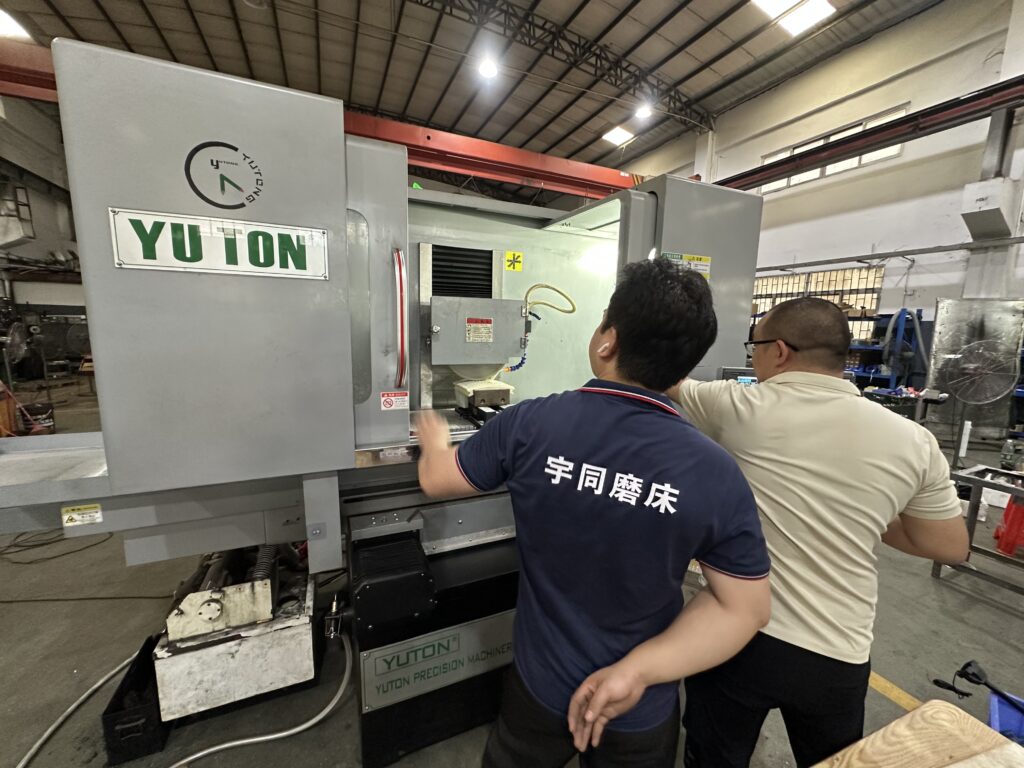
What Is IoT Grinding Machine Monitoring?
IoT (Internet of Things) grinding machine monitoring uses networked sensors and software platforms to collect, transmit, and analyze data from grinding equipment in real time. Instead of relying on manual inspections or periodic checks, IoT systems continuously track parameters like spindle vibration, motor current, coolant temperature, cutting force, and wheel wear.
These data points flow from on-machine sensors through edge gateways to cloud platforms where analytics software detects patterns, triggers alerts, and generates dashboards that shop managers can access from any device.
According to ISO’s industrial connectivity standards (https://www.iso.org/), IoT-enabled manufacturing systems follow standardized communication protocols such as OPC-UA, MQTT, and MTConnect, ensuring that machines from different builders can share data within a unified monitoring ecosystem.
Key Parameters Monitored by IoT Systems
Modern IoT monitoring solutions track multiple parameters simultaneously across each grinding machine.
Spindle Vibration
Vibration sensors mounted on the grinding spindle detect imbalances, bearing wear, and wheel condition changes. Early vibration signatures often predict bearing failure weeks before catastrophic breakdown occurs. By tracking vibration trends over time, maintenance teams can schedule replacements during planned downtime rather than reacting to unexpected failures.
Motor Current and Power Consumption
Monitoring spindle motor current reveals changes in cutting load that indicate wheel dulling, workpiece hardness variation, or incorrect dressing cycles. Power consumption data also supports energy management initiatives by identifying machines that draw excess current during idle periods.
Coolant Temperature and Flow
Coolant condition directly affects surface finish quality and wheel life. IoT sensors track coolant temperature, flow rate, and concentration at the cutting zone, alerting operators when conditions deviate from optimal ranges. This prevents thermal damage to workpieces and extends wheel performance between dressing cycles.
Cutting Force
Force sensors measure the actual grinding force during each pass. Rising force indicates wheel loading or glazing, triggering automatic dress cycles or parameter adjustments. Consistent force data across production batches confirms process stability and part quality.
Benefits of IoT Grinding Machine Monitoring
Reduced Unplanned Downtime
Predictive alerts based on vibration and current trends allow maintenance teams to address issues before they cause breakdowns. According to the Society of Manufacturing Engineers (https://www.sme.org/), predictive maintenance programs powered by IoT monitoring reduce unplanned downtime by 30–50% in grinding operations.
Improved Part Quality
Real-time monitoring catches process drift immediately. If vibration increases beyond threshold or cutting force rises unexpectedly, the system can halt the cycle, alert the operator, or automatically compensate—preventing out-of-tolerance parts from reaching inspection.
Lower Maintenance Costs
Instead of replacing components on a fixed schedule (which often wastes usable life), IoT monitoring enables condition-based maintenance. Bearings, belts, and hydraulic seals are replaced only when data indicates actual degradation, extending component life and reducing spare parts spending.
Data-Driven Process Optimization
Historical data from IoT platforms reveals long-term trends invisible to manual observation. Engineers can correlate wheel dress frequency with surface finish quality, identify which parameter combinations deliver the best cycle times, and benchmark performance across multiple machines or shifts.
How to Implement IoT Monitoring on Your Grinding Machines
Step 1: Audit Existing Equipment
Before purchasing new sensors, inventory your current grinding machines. Identify models that already have digital interfaces or sensor ports. Modern CNC surface grinders (https://surfacegrindermfg.com/cnc-surface-grinder/) often include built-in connectivity that simplifies IoT integration.
Step 2: Choose the Right Sensor Suite
Match sensors to your highest-priority monitoring goals:
表格
| Goal | Primary Sensor | Secondary Sensor |
|---|---|---|
| Predict bearing failure | Vibration accelerometer | Temperature probe |
| Optimize wheel life | Force sensor | Motor current sensor |
| Prevent thermal damage | Coolant temperature sensor | Flow meter |
| Reduce energy waste | Power meter | Current sensor |
Step 3: Select a Monitoring Platform
Several IoT platforms serve the manufacturing sector. Key selection criteria include:
- Compatibility with your machine communication protocols (OPC-UA, MQTT, MTConnect)
- Cloud or on-premise deployment options
- Dashboard customization and alert configuration
- Integration with existing MES or ERP systems
Step 4: Start with Critical Machines
Rather than instrumenting every machine at once, begin with your highest-value or most-troubled grinding equipment. Deploy sensors, validate data quality, and demonstrate ROI on one or two machines before expanding across the shop floor.
Step 5: Train the Team and Refine
Sensor data only delivers value when people act on it. Train operators to read dashboards, respond to alerts, and log interventions. According to manufacturing technology research (https://www.mmsonline.com/), shops that pair IoT deployment with structured training programs achieve measurable ROI within 6–9 months.
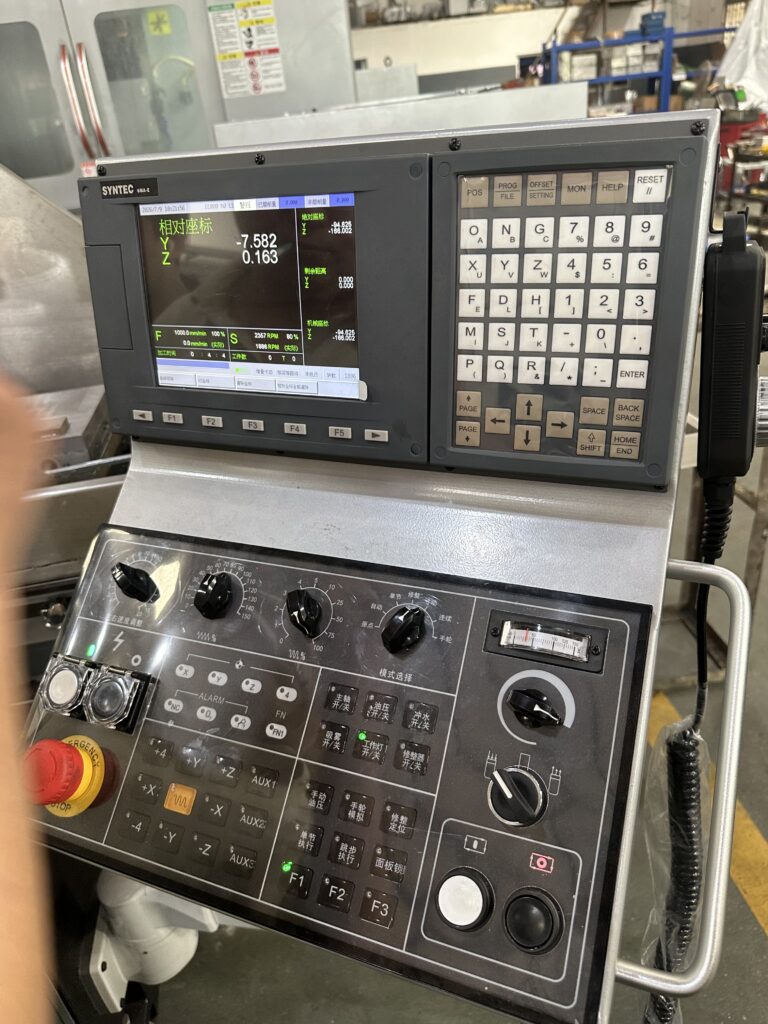
IoT Monitoring Integration with YUTON Surface Grinders
For shops evaluating new equipment with IoT readiness, YUTON surface grinders (https://surfacegrindermfg.com/) are designed with modern connectivity standards. Their CNC and automatic surface grinders (https://surfacegrindermfg.com/automatic-surface-grinder/) feature open communication interfaces that integrate directly with leading IoT platforms, enabling immediate deployment of real-time monitoring from day one.
Even shops operating older or manual surface grinders (https://surfacegrindermfg.com/manual-surface-grinder/) can retrofit external sensor kits and edge gateways to bring basic monitoring capabilities to existing equipment. The key is starting with clear monitoring objectives rather than collecting data without a plan.
Choosing the Right IoT Solution for Your Shop
Consider these factors when selecting an IoT grinding machine monitoring solution:
表格
| Factor | What to Evaluate |
|---|---|
| Machine compatibility | Does it support your machine’s communication protocol? |
| Sensor accuracy | Are sensors rated for the harsh grinding environment? |
| Scalability | Can you add machines without major infrastructure changes? |
| Data security | Is data encrypted in transit and at rest? |
| Total cost | Include sensors, gateways, platform subscription, and integration services |
| Support quality | Does the vendor offer local technical support and training? |
According to the European Commission’s digital manufacturing framework (https://ec.europa.eu/), small and medium manufacturers that adopt IoT monitoring report an average 18% improvement in OEE within the first year of deployment.
Final Thoughts
IoT grinding machine monitoring transforms grinding from a black-box process into a transparent, data-driven operation. Real-time visibility into vibration, force, temperature, and power consumption enables predictive maintenance, consistent part quality, and continuous process improvement.
The technology is accessible today, even for shops with mixed fleets of old and new equipment. Start with clear objectives, instrument your most critical machines, and expand based on proven results. The shops that adopt IoT monitoring now will have a measurable advantage in quality, cost, and delivery performance for years to come.