
Choosing the right surface grinder is one of the most important decisions any manufacturing shop will make. The machine you pick directly affects your product quality, production speed, and long-term profitability. However, with so many types, brands, and specifications available in 2026, the process can feel overwhelming. In this guide, we will walk you through exactly how to choose surface grinder for your specific needs — from understanding the main types to evaluating key technical parameters and selecting a reliable supplier.
Whether you are upgrading an old machine or investing in your first CNC system, this article will give you the knowledge to make a confident, informed decision.
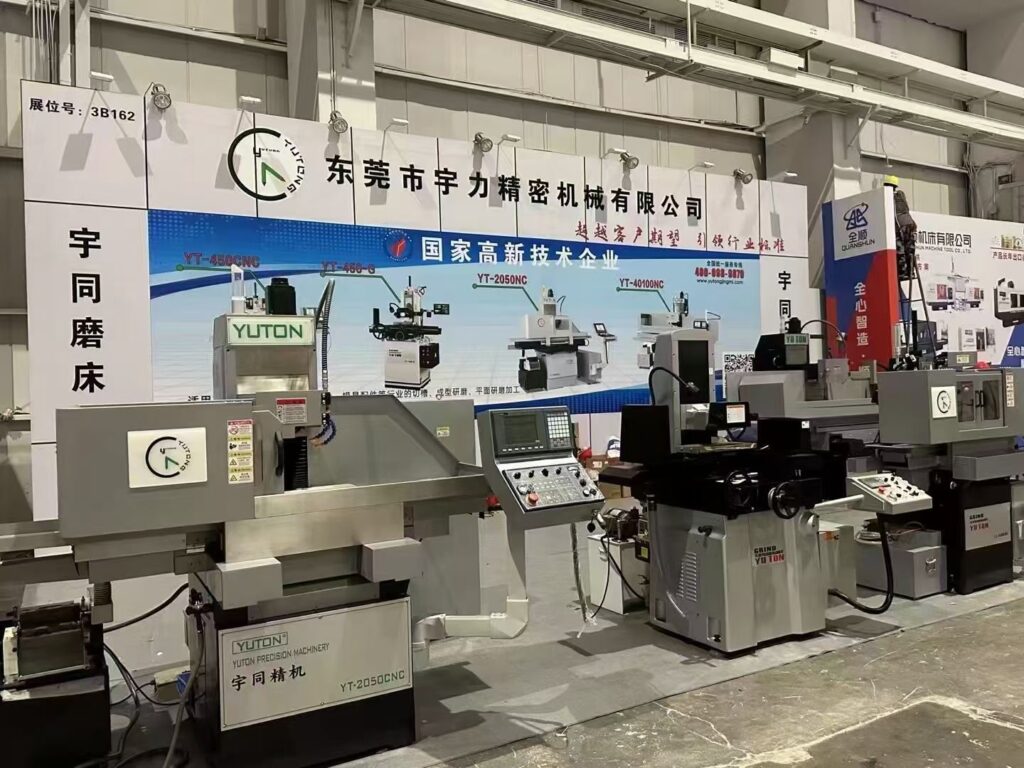
Understand the Main Types of Surface Grinders
Before diving into specifications, it is essential to understand the four main types of surface grinders available on the market today. Each type serves different applications and budgets.
Manual Surface Grinders
Manual surface grinders are the most basic and affordable option. They require the operator to control all movements — table travel, cross-feed, and down-feed — by hand. As a result, they are best suited for small job shops, tool rooms, and occasional precision work where flexibility matters more than throughput. However, they demand skilled operators and are not ideal for high-volume production.
Hydraulic Surface Grinders
Hydraulic surface grinders use hydraulic systems to drive the table movement, which provides smoother operation and better control over feed rates. This type is widely used in medium to large shops that need consistent quality across batch production. Moreover, hydraulic machines typically offer better rigidity and can handle heavier workloads than manual models.
Automatic Surface Grinders
Automatic surface grinders take productivity to the next level. They feature programmable cycles that control the entire grinding process — including roughing, finishing, sparking-out, and wheel dressing — without operator intervention. Therefore, they are ideal for shops running high-volume production with tight tolerances. In fact, many modern automatic grinders can achieve repeatability within ±2 μm.
CNC Surface Grinders
CNC surface grinders represent the top tier of precision and automation. They use computer numerical control to manage all axes of movement, enabling complex profiles, multi-step operations, and integration with CAD/CAM systems. Additionally, CNC machines often come with advanced features like adaptive control, in-process gauging, and IoT connectivity. For shops that need maximum flexibility and precision, a CNC surface grinder is the clear choice.
For a closer look at each type, you can also explore our product pages: manual surface grinder, hydraulic surface grinder, automatic surface grinder, and CNC surface grinder.
Key Factors to Consider When Choosing a Surface Grinder
Once you understand the types, the next step is to evaluate which machine fits your specific requirements. Here are the most critical factors to consider.
Workpiece Size and Weight
The first thing to determine is the maximum size and weight of the parts you will be grinding. You need a machine with a table large enough to accommodate your workpiece, plus adequate load capacity. For example, if you regularly grind mold plates measuring 600 × 300 mm, you will need at least a 600 × 300 mm table — preferably with some margin for fixturing.
Required Precision and Surface Finish
Different applications demand different levels of precision. If you are doing general tool room work, a standard precision of ±0.01 mm and Ra 0.4 μm surface finish may be sufficient. However, for aerospace, medical, or optical components, you will need a machine capable of ±0.002 mm and Ra 0.1 μm or better. In such cases, look for machines with hydrostatic or static pressure guideways, which provide superior vibration damping and thermal stability.
Production Volume and Automation Needs
Your expected production volume will heavily influence your choice. For low-volume, high-mix work, a manual or hydraulic grinder may be the most cost-effective option. On the other hand, if you are running the same parts in batches of hundreds or thousands, an automatic or CNC grinder will deliver much higher throughput with less operator dependence. Furthermore, consider whether you need automated wheel dressing, in-process gauging, or robotic part loading.
Budget and Total Cost of Ownership
Price is always a factor, but smart buyers look beyond the initial purchase price. The total cost of ownership includes energy consumption, wheel and coolant costs, maintenance, spare parts, and potential downtime. For instance, a machine with higher energy efficiency may cost more upfront but save significant money over its 10–15 year lifespan. Similarly, machines with core components from established suppliers (such as Japanese or German spindle bearings) tend to have lower long-term maintenance costs.
Supplier Reputation and After-Sales Support
Last but not least, the reliability of your supplier matters enormously. You want a manufacturer with a proven track record, certified quality systems, and responsive after-sales service. Specifically, check for ISO 9001 certification, CE marking, and the availability of technical support in your region. Also, ask about spare parts lead times and whether the supplier offers remote diagnostic capabilities.
Common Mistakes to Avoid
Many buyers make the same mistakes when selecting a surface grinder. Here are the most common ones and how to avoid them.
Focusing only on price: The cheapest machine is rarely the best value. Low-cost machines often cut corners on rigidity, component quality, or assembly precision — leading to higher scrap rates and more downtime.
Ignoring total cost of ownership: As mentioned above, look at the full lifecycle cost, not just the sticker price. A slightly more expensive machine with better efficiency and lower maintenance can save you thousands over time.
Not testing with your own parts: Always request a sample grinding test using your actual workpieces. This reveals whether the machine can truly meet your precision and surface finish requirements in real-world conditions.
Overlooking installation requirements: Some grinders require special foundations, climate control, or power supply specifications. Make sure your facility can support the machine before placing an order.
Why YUTON Is a Trusted Choice
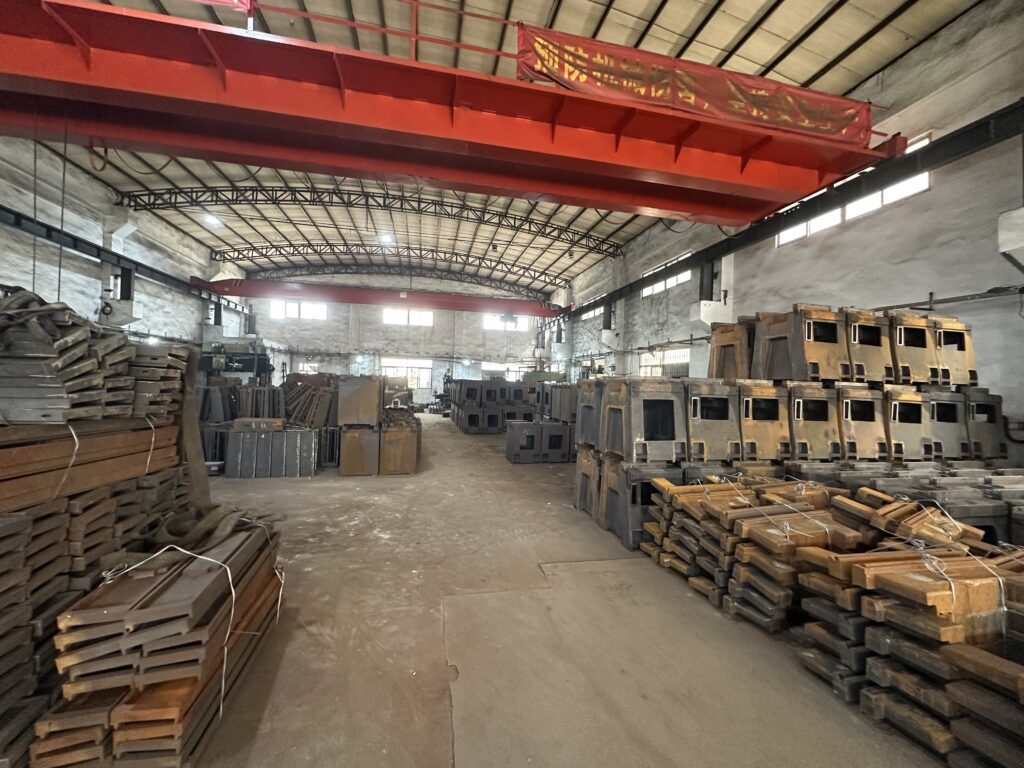
At YUTON (广东宇同精密机械有限公司), we have been helping manufacturers around the world select the right surface grinder for their needs since our founding. Our 150-person team operates across a 15,000 m² facility with 7 production buildings in Dongguan, and we are fully certified to ISO 9001 and CE standards.
In 2025, we delivered over 3,100 units — ranking among the top three surface grinder manufacturers in China. Our machines use core components sourced from leading suppliers in Japan, Taiwan, and the United States, ensuring long-term reliability and precision.
Each YUTON machine undergoes a 48-hour continuous test run before shipment. We also provide comprehensive after-sales support, including installation guidance, operator training, and remote technical assistance. Whether you need a simple manual surface grinder for tool room work or a high-precision CNC surface grinder for aerospace components, YUTON has the right solution.
We currently export to over 50 countries, and our customers in the USA, Europe, Southeast Asia, and Mexico trust YUTON for consistent quality and responsive service.
Final Thoughts
Choosing the right surface grinder does not have to be complicated. By understanding the main types, evaluating your specific requirements, avoiding common mistakes, and partnering with a reliable supplier, you can make a decision that serves your shop well for years to come. Remember, the best machine is not always the most expensive one — it is the one that best matches your workpiece requirements, production volume, and budget.
If you need further guidance, do not hesitate to reach out to our team. We are always happy to help you find the perfect grinding solution. For more industry insights, you can also visit the SME website or check out the latest manufacturing trends on Manufacturing Engineering. Additionally, the European Commission offers valuable resources on manufacturing standards and certifications.
Frequently Asked Questions
Q1: What is the most important factor when choosing a surface grinder?
A: The most important factor depends on your application, but generally it is the combination of required precision and production volume. A machine that can hold your tolerances at your desired cycle time is the right choice.
Q2: How do I know if I need a manual, automatic, or CNC grinder?
A: Manual grinders suit low-volume tool room work. Automatic grinders are best for medium-to-high batch production. CNC grinders are ideal when you need maximum flexibility, complex profiles, or integration with automation systems.
Q3: What precision level should I look for?
A: For general machining, ±0.01 mm is typical. For precision mold work, look for ±0.005 mm. For aerospace or medical applications, you may need ±0.002 mm or better.
Q4: How long does a surface grinder last?
A: A well-maintained surface grinder can last 15–20 years or more. The key factors are build quality, component brands, and how well you follow maintenance schedules.
Q5: Should I buy new or used?
A: New machines offer the latest technology, full warranties, and better energy efficiency. Used machines can be cost-effective for non-critical work, but make sure to inspect them thoroughly and factor in potential repair costs. For critical production, a new machine is usually the safer investment. For quality standards reference, the ISO website provides comprehensive information on international manufacturing certifications.