
Surface roughness is one of the most important indicators of machining quality in precision grinding. Manufacturers rely on controlled surface roughness to improve product performance, durability, and dimensional consistency.
In precision grinding, achieving the required roughness value is often just as important as meeting dimensional tolerances. Understanding how grinding parameters influence surface roughness helps manufacturers improve product quality while reducing production costs.
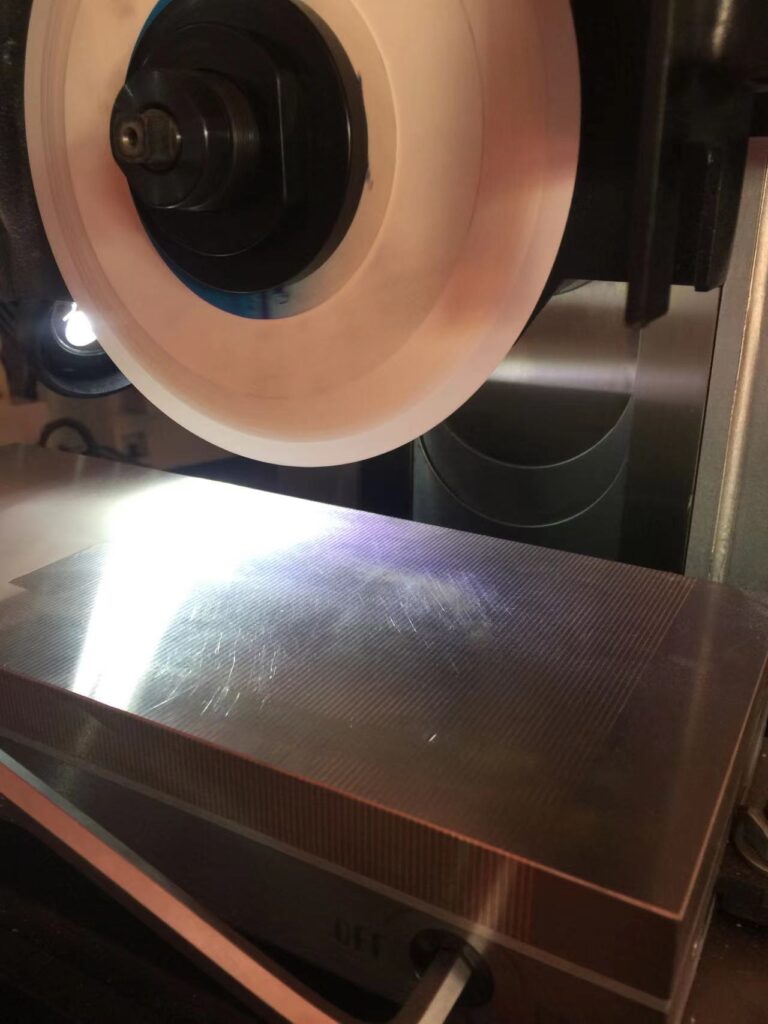
What Is Surface Roughness?
surface quality refers to the microscopic irregularities found on a machined surface.
These small peaks and valleys are created during manufacturing processes such as:
- Grinding
- Milling
- Turning
- EDM machining
- Polishing
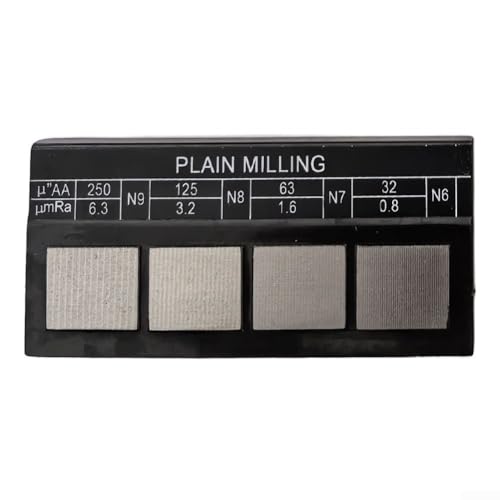
surface quality is commonly measured using Ra values, which represent the average roughness of a surface.
A lower Ra value generally indicates a smoother surface.
Why Surface Roughness Matters
Many industrial components require specific surface characteristics to function properly.
Poor surface roughness can lead to:
- Increased friction
- Premature wear
- Reduced sealing performance
- Lower fatigue resistance
- Assembly difficulties
Controlling surface roughness helps improve both product quality and operational reliability.
Understanding Common Ra Values
Different industries require different levels of surface finish.
| Surface Roughness (Ra) | Typical Application |
|---|---|
| Ra 3.2 μm | General machining |
| Ra 1.6 μm | Precision machined parts |
| Ra 0.8 μm | Mold components |
| Ra 0.4 μm | High-precision tooling |
| Ra 0.2 μm | Optical and medical components |
As Ra values decrease, machining requirements become more demanding.
How Precision Grinding Improves Surface Roughness
Precision grinding is widely used to achieve superior surface quality.
Stable Grinding Wheel Performance
A properly selected grinding wheel creates a more uniform surface profile.
Precision Spindle Operation
Reduced spindle runout improves grinding consistency.
Controlled Feed Rates
Optimized feed rates help minimize surface defects.
Effective Coolant Application
Proper cooling reduces thermal damage and improves machining quality.
These factors work together to achieve lower surface texture values.
Factors That Affect Surface Roughness
Several variables influence grinding results.
Grinding Wheel Specification
Wheel material and grain size directly affect surface texture.
Machine Rigidity
Rigid machine structures reduce vibration and improve surface quality.
Spindle Accuracy
High-precision spindles improve consistency throughout the grinding process.
Workpiece Material
Different materials respond differently during machining.
Operator Parameters
Feed rates, depth of cut, and wheel speed influence final roughness values.
Proper process control is essential for maintaining consistent surface texture.
Surface Roughness Challenges in Different Materials
Tool Steel
Tool steel generally produces stable grinding results when proper wheels are selected.
Hardened Steel
Heat-treated materials require careful thermal control.
Carbide
Carbide demands stable machine performance and precise wheel selection.
Ceramic Components
Ceramics require specialized grinding processes to prevent edge chipping.
Material characteristics significantly influence achievable surface finish.
How to Measure Surface Roughness
Manufacturers use specialized instruments to evaluate machined surfaces.
Common measurement methods include:
Surface Profilometers
Widely used for Ra measurement.
Optical Measurement Systems
Provide non-contact surface analysis.
Digital Surface Testers
Support rapid quality inspection in production environments.
Accurate measurement helps ensure process consistency and customer compliance.
Common Causes of Poor Surface Roughness
Several issues may negatively affect grinding quality.
Wheel Wear
Worn grinding wheels produce inconsistent surface patterns.
Machine Vibration
Excessive vibration creates chatter marks.
Thermal Damage
Grinding heat may alter surface integrity.
Improper Setup
Poor machine alignment affects machining quality.
Identifying these factors helps manufacturers improve process performance.
Industries Requiring Low Surface texture
Many industries depend on high-quality machined surfaces.
Mold Manufacturing
Smooth surfaces improve mold performance and product appearance.
Aerospace Components
Critical parts require precise surface characteristics.
Medical Equipment
Surface quality influences safety and functionality.
Semiconductor Equipment
Advanced manufacturing systems require exceptional surface precision.
Precision Tooling
Tool life often depends on surface condition.
How YUTON Supports Precision Grinding Applications
YUTON develops grinding solutions designed to help manufacturers achieve excellent machining accuracy and controlled Ra value.
Manufacturing Capability
- 7 factory buildings
- 15,000㎡ production area
- 150 engineering and technical staff
- ISO 9001 certified manufacturing system
- CE certified export machines
- Annual sales of 3,100 grinding machines in 2025
Engineering Advantages
- High-rigidity machine structures
- Precision spindle systems
- Stable guideway design
- CNC and automatic grinding solutions
- International brand components
- Factory-direct support
Global Service Support
- Export packaging
- Installation guidance
- Technical consultation
- Spare parts support
- OEM manufacturing
- Distributor partnerships
For quality management requirements:
For CE compliance requirements:
Best Practices for Improving Surface quality
Manufacturers can improve grinding results by:
- Selecting suitable grinding wheels
- Maintaining spindle accuracy
- Improving machine rigidity
- Optimizing feed rates
- Using effective coolant systems
- Implementing preventive maintenance programs
A systematic approach helps achieve better surface condition while maintaining production efficiency.
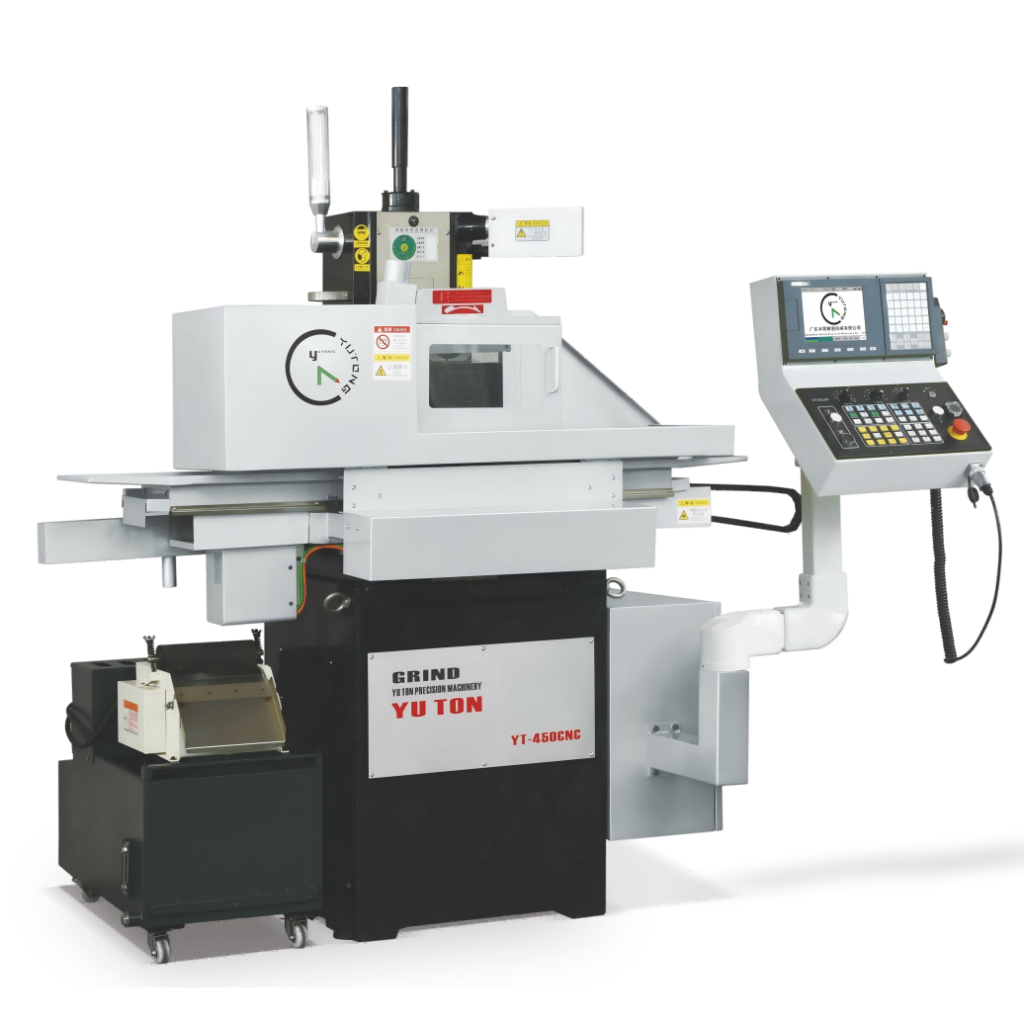
Request a Precision Grinding Solution
Looking for grinding equipment capable of achieving demanding surface condition requirements?
YUTON can recommend the right grinding solution based on your material type, tolerance requirements, and production goals.
Contact YUTON our team today for technical consultation and factory-direct pricing.
FAQ
What is surface roughness?
Surface finish refers to the microscopic texture of a machined surface and is commonly measured using Ra values.
Why is surface roughness important?
It affects wear resistance, friction, sealing performance, and overall product quality.
What surface roughness can precision grinding achieve?
Depending on machine capability and process conditions, precision grinding can achieve Ra values as low as 0.2 μm or better.
How is surface roughness measured?
Surface finish is typically measured using profilometers, optical systems, or digital surface testers.
Can YUTON grinding machines support low Ra requirements?
Yes. YUTON grinding machines are designed to support demanding precision grinding applications requiring excellent surface quality.