
Choosing the right surface grinding machine is important for efficiency, precision, and cost control in manufacturing.
Quick answer:
For small workshops, a portable grinder may still work.
For batch production, an automatic surface grinder is usually the better choice due to higher precision and lower labor cost.
In most factories, especially in mold and metal processing industries, this decision directly affects production cost and stability.
This article compares both options to help you choose the right solution.
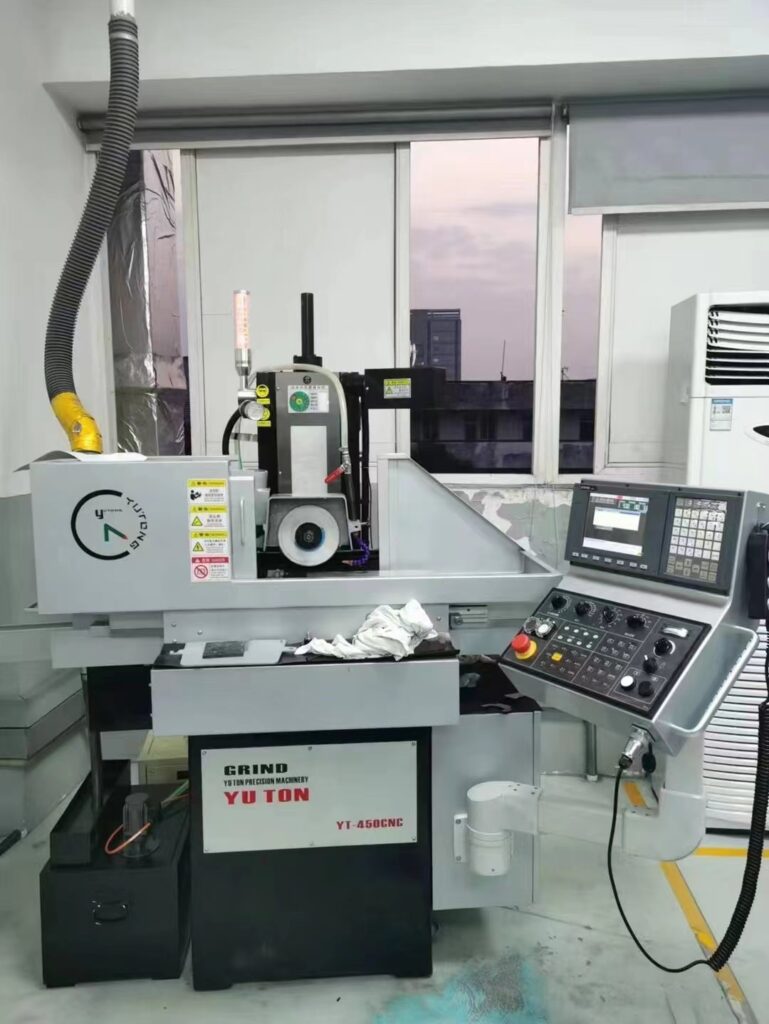
What Is an Automatic Surface Grinder?
An automatic surface grinding machine is designed to complete grinding tasks with minimal manual intervention. Compared with traditional machines, it offers more stable performance and better repeatability.
Typical features include:
- Automatic table movement
- Programmable grinding cycles
- Consistent and repeatable accuracy
For manufacturers running continuous production, this type of surface grinding machine is much better suited to maintaining stable output and precision over time.
Portable vs Automatic Surface Grinder – Key Differences
When comparing portable vs automatic surface grinder, the gap becomes obvious in real-world use:
| Feature | Portable Surface Grinder | Automatic Surface Grinder |
|---|---|---|
| Precision | Medium | High (±0.002 mm) |
| Efficiency | Low | High |
| Labor | High | Low |
| Operation | Manual | Automated |
| Production | Small batch | Batch production |
| ROI | Low | High |
From a long-term perspective, the automatic surface grinder benefits are clear—especially for factories that need stable quality and higher output.
If you are planning to upgrade your production line, the next step is to evaluate which configuration fits your parts, precision requirements, and output volume.You can check different automatic surface grinding machine models to compare specifications.If you are not sure which model is suitable, you can also consult our engineers for recommendations.
Why Portable Surface Grinders Are Becoming Less Efficient
Portable machines still exist in small workshops, but they are becoming less practical in modern manufacturing.
In many cases, production depends heavily on operator experience. Over time, this often leads to inconsistent results, slower processing speed, and higher labor costs.
For factories aiming to scale, these limitations can quickly become bottlenecks.
Why Automatic Surface Grinders Are Ideal for Batch Production
For batch production, upgrading to an Automatic Surface Grinder for Batch Production is often a necessary step rather than an option.
Consistent Precision
A high precision surface grinding machine can maintain stable accuracy even during long production runs.
Higher Efficiency
Automated grinding cycles reduce idle time and improve throughput.
Reduced Human Error
Less manual operation means fewer variations in finished parts.
In practice, these machines are widely used as a surface grinder for mold manufacturing, as well as in automotive and precision metal industries where consistency is critical.
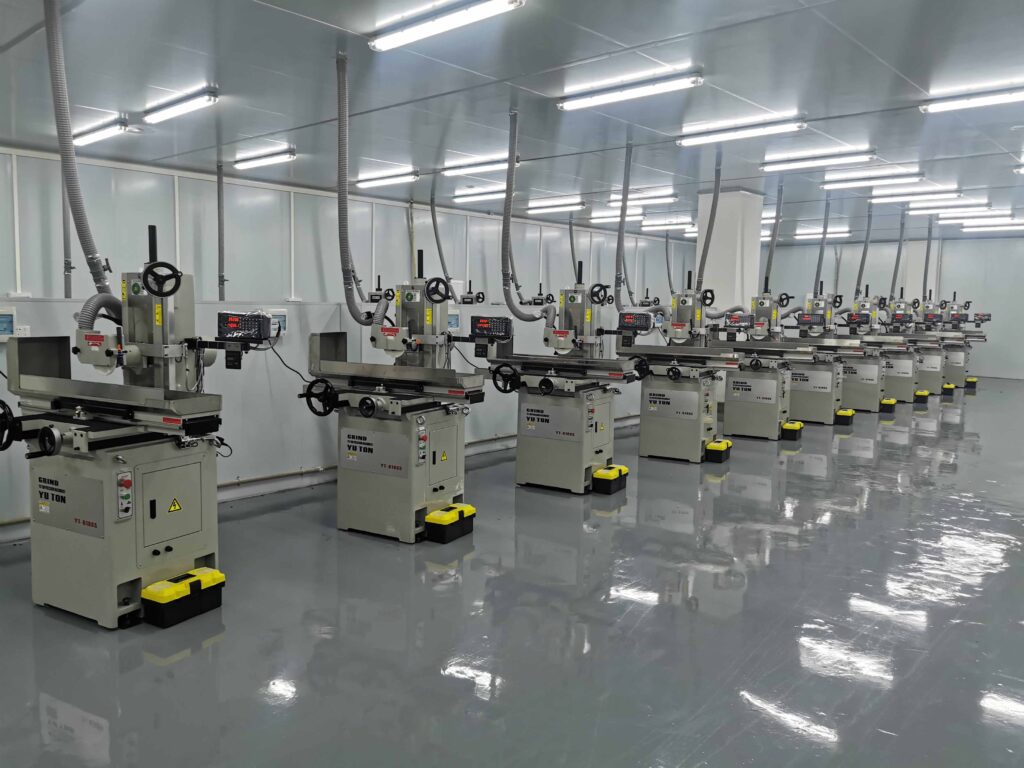
How Automatic Surface Grinders Reduce Labor Cost
One of the biggest changes after upgrading a surface grinding machine is labor efficiency.
With traditional setups, each machine typically requires one dedicated operator.
With automation, however, it’s common to see one operator multiple grinding machines, usually managing two or even three units at the same time.
As a result, companies can:
- Reduce labor cost by 30–50%
- Increase overall production capacity
- Improve resource allocation
For many factories, this makes automation a practical reduce labor cost grinding machine solution rather than just a technical upgrade.
Automatic Surface Grinder Price Guide
Understanding the automatic surface grinder price helps buyers make better decisions.
In the current market, typical price ranges are:
- Entry-level machines: $5,000 – $10,000
- Mid-range machines: $10,000 – $30,000
- High-end CNC systems: $30,000+
Prices vary depending on machine configuration, precision requirements, and size.
In many cases, a higher initial investment leads to lower operating costs over time, especially when considering labor savings and improved efficiency.
How to Choose a Surface Grinder
If you are evaluating options and wondering how to choose a surface grinder, focus on these key factors:
Production Requirements
Batch production environments usually require automated systems for stability and efficiency.
Precision Needs
A high precision surface grinding machine is essential if your parts require tight tolerances.
Machine Configuration
- 2-axis machines are suitable for standard tasks
- 3-axis machines are better for more complex applications
Total Cost of Ownership
Instead of looking only at price, consider long-term factors such as maintenance, efficiency, and labor savings.
When Should You Choose a Portable Surface Grinder?
Despite the advantages of automation, portable machines are still useful in certain situations.
They are often used for:
- Small workshops
- Repair or maintenance work
- Low-volume production
- Projects with limited budgets
However, they are generally not suitable for continuous batch production.
Why More Global Buyers Choose China Suppliers
China has become one of the main sources for surface grinding machines, thanks to its mature manufacturing ecosystem.
Many suppliers offer:
- Competitive pricing
- Reliable production capacity
- Flexible customization options
Today, these machines are widely exported to markets such as the United States, Germany, and Australia.
Of course, selecting a reliable manufacturer remains essential to ensure long-term performance and stability.
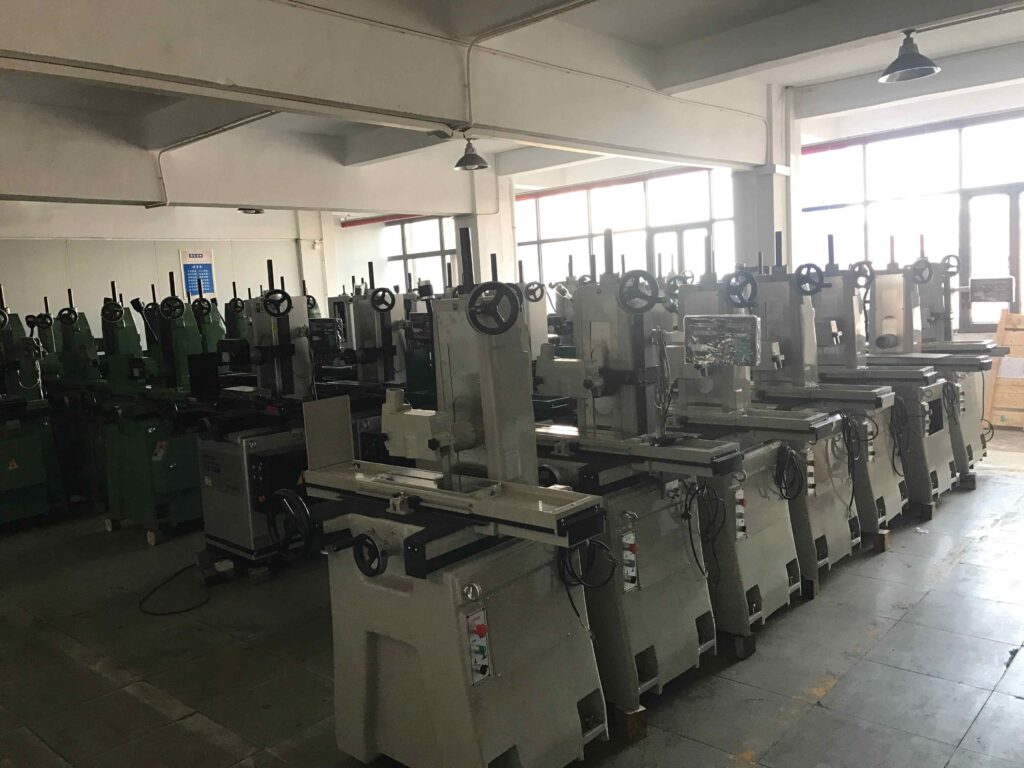
Real Application Example
A mid-sized mold manufacturing company upgraded its surface grinding machine to an automatic system.
After implementation, they reported:
- Around 40% reduction in labor costs
- Nearly double the production efficiency
- More consistent product quality
This kind of improvement is increasingly common as more manufacturers move toward automation.
Conclusion
When comparing portable vs automatic surface grinder, the choice ultimately depends on your production needs.
Portable machines may still work for small-scale tasks, but they are difficult to scale.
Automatic machines, on the other hand, offer clear advantages in efficiency, precision, and cost control.
For companies planning long-term growth, investing in a reliable surface grinding machine is often a strategic move.
Get Your Surface Grinding Machine Solution
Choosing the right surface grinding machine is important for stable production and consistent accuracy. A wrong setup can lead to higher cost and unstable output.
If you are unsure which model fits your production, just send us your drawings or requirements. Our engineers will check and suggest a suitable solution based on your application.
We usually reply within 12 hours.
For details, you can also check our automatic surface grinding machine models for different production needs.
👉 View surface grinding machine models
FAQ
It is mainly used to achieve smooth and precise surface finishes in metal processing.
They include improved efficiency, higher precision, and reduced labor cost.
It can be used for small-scale work, but it is not ideal for batch production.
Configuration, precision, and machine size are the main factors.
Yes, with automation, one operator multiple grinding machines is a common setup in modern factories.