
Hydraulic systems power everything from construction excavators to industrial injection molding machines. Moreover, every hydraulic circuit depends on tight-sealing components that can withstand high pressure, repeated cycling, and contaminated fluid. A surface grinder for hydraulic components is therefore one of the most critical machine tools in any precision hydraulic shop. In this guide, we explain the tolerance and finish requirements for hydraulic parts, examine the materials involved, compare grinder configurations, and share practical grinding tips that improve quality and reduce scrap.
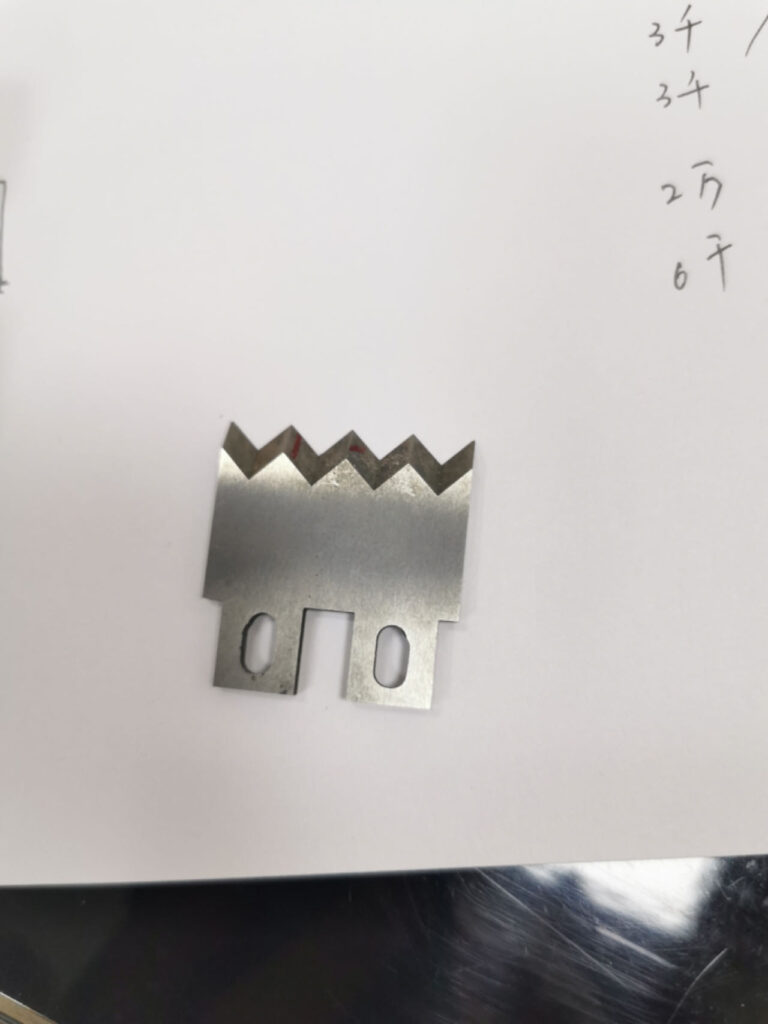
Why Hydraulic Components Demand Precision Surface Grinding
Hydraulic components operate in an unforgiving environment. Specifically, sealing faces must maintain contact under pressures that often exceed 350 bar. Even a microscopic gap can cause internal leakage, pressure loss, and premature system failure. Consequently, surface grinding is not an optional finishing step for these parts; it is a necessity.
Flatness and Parallelism: The Foundation of Leak-Free Sealing
Valve mounting faces, manifold cover plates, and pump body flanges require precise flatness and parallelism. Furthermore, tolerances are typically held within 0.005 mm across a 300 mm span. Any deviation creates a path for pressurized fluid to escape. The industry has published extensive guidance on this topic, and SME provides technical resources that explain how geometric tolerancing directly affects hydraulic system performance.
Achieving such tight geometry requires a rigid, well-maintained grinder. In addition, the machine foundation, spindle precision, and tableways must all be in excellent condition. The right surface grinder for hydraulic components must maintain these tolerances consistently across thousands of parts. For more detail on achievable tolerances, see our surface grinding tolerance guide.
Surface Roughness Requirements for Hydraulic Sealing Faces
Surface finish is equally important. Hydraulic sealing surfaces commonly require Ra 0.2 to 0.4 µm. Indeed, a surface that looks smooth to the naked eye may still contain microscopic peaks that break through O-rings or gaskets under pressure. These peaks create channels for fluid migration.
Grinding produces the fine cross-hatch pattern that elastomer seals need to seat properly. However, an overly polished surface can actually reduce seal grip and cause seal slippage. Therefore, achieving the target Ra range matters more than simply minimizing roughness. Our surface grinding finish article explains how to measure and control Ra values.
Dimensional Consistency in Batch Production
Batch consistency separates profitable hydraulic shops from those struggling with rework. In particular, a production run of 500 valve blocks must yield identical thickness and flatness across every part. Variation accumulates in assembly, and even 0.01 mm of inconsistency can stack into significant fit problems.
Automated grinding cycles reduce operator-induced variation. Moreover, in-process gauging and wheel dress compensation help maintain dimensions across long runs. As a result, manufacturers can meet tight tolerances without sacrificing throughput.
Key Hydraulic Parts That Require Surface Grinding
Nearly every hydraulic assembly contains parts that benefit from precision surface grinding. Specifically, valve blocks, spools, plungers, pump housings, and gear side plates each present unique grinding challenges. A surface grinder for hydraulic components must therefore be versatile enough to handle all of these part types.
Valve Blocks and Manifolds
Valve blocks route hydraulic fluid through internal drillings and cartridge cavities. Their cover faces and port surfaces must be flat and smooth to prevent external leakage. Moreover, these blocks are often made from ductile or gray cast iron, which grinds well but demands the right wheel and coolant combination.
A CNC surface grinder is ideal for valve block work because it can handle multi-face grinding in a single setup. In addition, programmable cycles ensure repeatable results across complex manifold geometries. For high-volume shops, automatic grinding cycles reduce handling time and improve throughput.
Spools, Plungers, and Precision Pistons
Spools and plungers slide within valve bores with clearances measured in single-digit microns. Furthermore, their lands must be perpendicular to the axis and free of taper. While cylindrical grinding handles the outer diameters, surface grinding is used on the end faces and shoulders.
These parts are typically made from hardened alloy steels such as 20MnV6 or 42CrMo4. Consequently, surface grinding for hardened steel techniques apply. The wheel must stay sharp to avoid burning the hardened surface, and coolant must reach the contact zone effectively. For more on this topic, review our grinding burn prevention tips.
Pump Housings and Gear Pump Side Plates
Gear pumps and vane pumps rely on precisely ground side plates to control internal clearance. Specifically, the gap between the gear face and the side plate determines volumetric efficiency. Too much gap causes internal slip; too little causes metal-to-metal contact and seizure.
Pump housings are often cast iron, while side plates may be hardened steel or aluminum alloy. In addition, the grinding operation must hold tight parallelism because the two side plates work as a matched pair. Automatic surface grinders with reciprocating table feed are commonly used for these flat, relatively simple geometries.
Material Challenges in Hydraulic Component Grinding
Hydraulic components are manufactured from a range of metals, and each material responds differently to the grinding process. Understanding these differences helps operators select the right wheel, parameters, and coolant.
Cast Iron (HT250/HT300): The Workhorse Material
Gray cast iron grades HT250 and HT300 dominate hydraulic valve block and pump housing production. Moreover, cast iron has excellent vibration damping properties and machines cleanly. However, it contains free graphite that can load up a grinding wheel if the bond is too hard.
For cast iron, operators typically select an open-structure silicon-carbide or aluminum-oxide wheel with a softer grade. In addition, adequate coolant flow flushes graphite particles from the wheel pores. Cast iron also tends to leave a fine black swarf that can clog filters and nozzles. Therefore, regular coolant system maintenance is essential.
Hardened Steel: Precision Under Heat Treatment
Hardened steel components, including spools, plungers, and pressure plates, offer excellent wear resistance. However, their hardness (typically 58–65 HRC) makes them challenging to grind. The wheel must cut freely rather than rub, because rubbing generates heat that can cause surface cracking or temper burn.
Creep-feed or reciprocating grinding with a CBN or aluminum-oxide wheel works well for hardened steel. Furthermore, reduced depth of cut and increased table speed help keep heat generation low. Modern Machine Shop regularly publishes articles on optimizing hardened steel grinding parameters, including wheel selection and dressing techniques.
Stainless Steel: Corrosion Resistance vs. Grindability
Marine and food-grade hydraulic systems often use stainless steel components. Specifically, grades 304 and 316 offer corrosion resistance but are gummy and prone to work hardening during grinding. As a result, stainless steel can load wheels quickly and cause surface smearing.
Operators should use a sharp, open-structure wheel with moderate feed rates. Additionally, sulfur-chlorinated grinding fluids improve chip evacuation and reduce wheel loading. For more on this material, see our dedicated guide to grinding stainless hydraulic parts.
Choosing the Right Surface Grinder for Hydraulic Parts
Selecting the right surface grinder for hydraulic components depends on part complexity, batch size, and budget. The machine you choose directly affects flatness, finish, and throughput. Specifically, YUTON offers three configurations that cover the full range of hydraulic grinding applications.
CNC Forming Surface Grinders for Complex Profiles
CNC forming grinders use dressed wheel profiles to generate complex shapes in a single pass. Moreover, they are ideal for hydraulic parts with contoured sealing surfaces, stepped faces, or angular features. Multi-axis control allows the wheel to follow programmed paths with high precision.
These machines excel at low-to-medium batch work where changeover flexibility matters. In addition, the CNC control stores part programs, reducing setup time for repeat orders. For a detailed comparison, read about the PLC surface grinder advantages and how they differ from full CNC systems.
PLC Hybrid Grinders for Versatile Batch Work
PLC hybrid grinders combine automatic cycle control with manual override capability. Furthermore, they are an excellent middle-ground option for shops that grind both simple flat parts and occasional complex profiles. Operators can run automatic cycles for production batches or switch to manual for prototyping and one-off jobs.
This flexibility is particularly valuable in hydraulic component job shops, where order quantities vary widely. In particular, the PLC system manages cross-feed, down-feed, and spark-out passes while the operator retains control over setup and positioning.
Automatic Large Surface Grinders for High-Volume Production
For high-volume production of simple flat hydraulic parts, automatic large surface grinders deliver the highest throughput. Specifically, these machines feature long table travel, high-power spindles, and fully automatic grinding cycles with automatic wheel dressing.
They are commonly used for pump side plates, cover plates, and manifold faces where the geometry is straightforward but the volume is high. Moreover, the larger table accommodates multiple parts per setup, reducing cycle time per piece.
Grinding Tips for Hydraulic Component Quality
Even the best grinder will produce poor results without proper technique. The following tips address the most common quality issues in hydraulic component grinding.
Optimize Workholding for Rigidity
Hydraulic parts often have irregular shapes with internal cavities and thin walls. Therefore, workholding must provide rigid support without distorting the part. Magnetic chucks work well for ferrous parts, but thin or non-magnetic components need dedicated fixtures.
In addition, blocking and supporting overhung areas reduces vibration and chatter. For detailed guidance, see our surface grinder workholding resources. Proper fixturing directly improves flatness and surface finish.
Select the Right Coolant Strategy
Coolant serves three critical functions: it reduces grinding heat, flushes swarf, and protects the machine and workpiece from corrosion. Furthermore, coolant concentration must be checked regularly. A refractometer reading of 8–10% is typical for water-soluble fluids.
Nozzle placement is equally important. Specifically, the coolant stream must reach the grinding zone directly, not just flood the general area. For high-volume cast iron work, a magnetic separator or paper-band filter keeps the fluid clean. Our surface grinder coolant guide covers filtration, concentration, and nozzle design in detail.
Match Wheel Grade to Material and Hardness
Wheel selection has an outsized impact on grinding quality. In general, harder workpieces require softer-grade wheels so that dull grains release and expose fresh cutting edges. Conversely, softer materials like cast iron can use harder-grade wheels because the grains stay sharp longer.
Grain type also matters. Silicon carbide cuts cast iron and non-ferrous metals efficiently. Moreover, aluminum oxide is versatile and cost-effective for most steels. CBN wheels offer superior life and finish for hardened steel production grinding, albeit at a higher initial cost. Dressing the wheel regularly restores cutting action and prevents loading.
Calibrate Regularly and Monitor for Grinding Burn
Machine calibration should be performed on a scheduled basis, not only when parts go out of tolerance. Specifically, check table flatness, spindle runout, and cross-feed alignment monthly or after any crash. Many quality problems attributed to wheel or parameters actually originate from machine geometry drift.
Grinding burn is the most dangerous quality defect in hydraulic components because it often hides beneath the surface. Furthermore, burn can cause micro-cracking that leads to premature part failure in service. Operators should watch for discoloration, use etching tests when in doubt, and reduce stock removal if burn appears.
Why YUTON Is Your Partner for Hydraulic Component Grinding
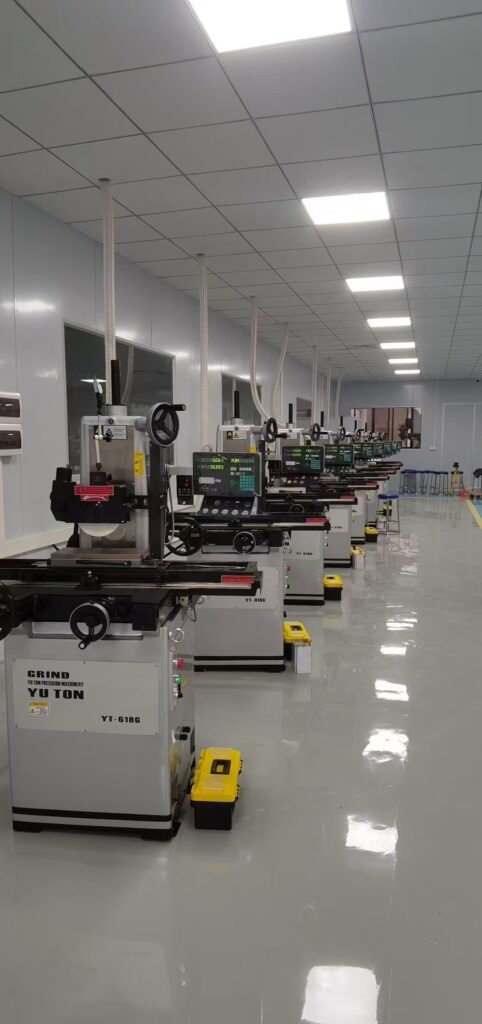
YUTON (Guangdong Yutong Precision Machinery Co., Ltd.) has built its reputation on producing reliable, high-precision surface grinders for demanding industries. Moreover, the company has focused on the hydraulic component sector for over two decades, understanding the unique tolerances and materials involved.
Manufacturing Scale and Quality Certifications
YUTON operates a Dongguan-based factory with 150 employees across a 15,000 m² facility comprising seven factory buildings. In addition, the company holds ISO 9001 quality management certification and CE marking for its products. These certifications reflect a systematic approach to design, manufacturing, and inspection.
In 2025, YUTON sold 3,100 surface grinders, ranking among the top three manufacturers in China by sales volume. Furthermore, the company exports to over 50 countries and serves hydraulic component manufacturers, mold makers, and precision engineering shops worldwide.
Global Component Sourcing for Reliability
A grinder is only as reliable as its core components. Therefore, YUTON sources critical parts from leading suppliers in Japan, Taiwan, and the United States. Specifically, spindle bearings, linear guideways, ball screws, and CNC controls come from established international brands.
This sourcing strategy ensures long-term accuracy and minimizes downtime. In addition, it means replacement parts are readily available through global distribution networks. The Association for Manufacturing Technology emphasizes that component quality is a leading indicator of machine tool reliability, and YUTON’s sourcing standards align with this principle.
A Complete Product Line for Every Hydraulic Application
YUTON offers five product lines that cover the full spectrum of surface grinding needs. These include manual surface grinders for tool rooms and small shops, automatic large surface grinders for high-volume production, CNC forming surface grinders for complex profiles, PLC hybrid grinders for versatile batch work, and milling machines for complementary machining.
Moreover, YUTON’s engineering team works with customers to specify the right machine configuration, wheel package, and coolant system for their specific hydraulic parts. Whether you grind cast iron valve blocks or hardened steel spools, YUTON can tailor a solution. The company also supports customers with installation, training, and after-sales service. International standards such as those published by ISO guide YUTON’s quality and safety processes, while regulatory frameworks from the European Commission inform CE compliance and export readiness.
FAQ: Surface Grinder for Hydraulic Components
What surface finish is required for hydraulic component sealing faces?
Hydraulic sealing faces typically require Ra 0.2 to 0.4 µm. However, the exact value depends on the seal type and operating pressure. O-ring sealed faces generally need Ra 0.4, while metal-to-metal lapped faces may require Ra 0.1 or better. Therefore, always consult the component drawing and seal manufacturer specifications.
Can a surface grinder handle both cast iron valve blocks and hardened steel spools?
Yes, but the wheel and parameters must change between materials. Specifically, cast iron uses a silicon-carbide or open-structure aluminum-oxide wheel, while hardened steel requires a softer-grade wheel, often with CBN abrasive for production runs. In addition, coolant concentration and dressing frequency differ. A single machine can handle both materials if the operator is trained to switch setups correctly.
What size surface grinder do I need for hydraulic valve blocks?
The grinder table should be at least 100 mm longer and wider than the largest valve block you plan to grind. Moreover, consider the magnetic chuck size and the maximum height under the wheel. For most industrial valve blocks, a 300 × 600 mm or 400 × 800 mm table capacity is sufficient. For large manifolds, a 500 × 1,000 mm or larger machine may be necessary.
Should I choose a CNC or PLC surface grinder for hydraulic parts?
The choice depends on part complexity and batch size. CNC forming grinders are better for complex profiles, contoured surfaces, and low-to-medium batch work with frequent changeovers. Alternatively, PLC hybrid grinders offer a cost-effective solution for shops that run a mix of automatic production and manual prototyping. For high-volume simple flat parts, a fully automatic large surface grinder provides the best return on investment.
How do I prevent grinding burn on hardened hydraulic spools?
Grinding burn prevention requires a combination of sharp wheels, conservative cuts, and adequate coolant. Specifically, use a softer-grade wheel that self-dresses, reduce the depth of cut, and ensure the coolant nozzle delivers fluid directly to the contact zone. In addition, dress the wheel at the first sign of loading or dulling. If discoloration appears, etch-test the part to check for burn and adjust parameters before continuing production.
Conclusion
A surface grinder for hydraulic components is an investment in product quality, customer trust, and long-term profitability. Moreover, the precision demands of hydraulic systems—flatness within microns, Ra values below 0.4 µm, and batch-to-batch consistency—leave no room for compromise. Whether you grind cast iron manifolds, hardened steel spools, or stainless steel marine components, selecting the right machine and process parameters is essential.
YUTON brings together manufacturing scale, certified quality, and globally sourced components to deliver surface grinders that hydraulic component manufacturers can rely on. With 150 skilled employees, a 15,000 m² production facility, 3,100 machines sold in 2025, and a product line that spans manual to full CNC, YUTON is equipped to support operations of every size. Furthermore, the company’s ISO 9001 and CE certifications demonstrate a commitment to international standards. Contact YUTON today to discuss your hydraulic component grinding requirements and discover the right machine for your shop.