
Introduction
In modern manufacturing, achieving micron-level accuracy is no longer optional—it’s essential. Many factories face challenges such as unstable precision, poor surface finish, and low production efficiency.
A precision grinding machine is the key to solving these problems, especially in industries that demand tight tolerances and consistent quality.
This guide explains how high precision grinding works, what affects accuracy, and how to choose the right machine for your factory.
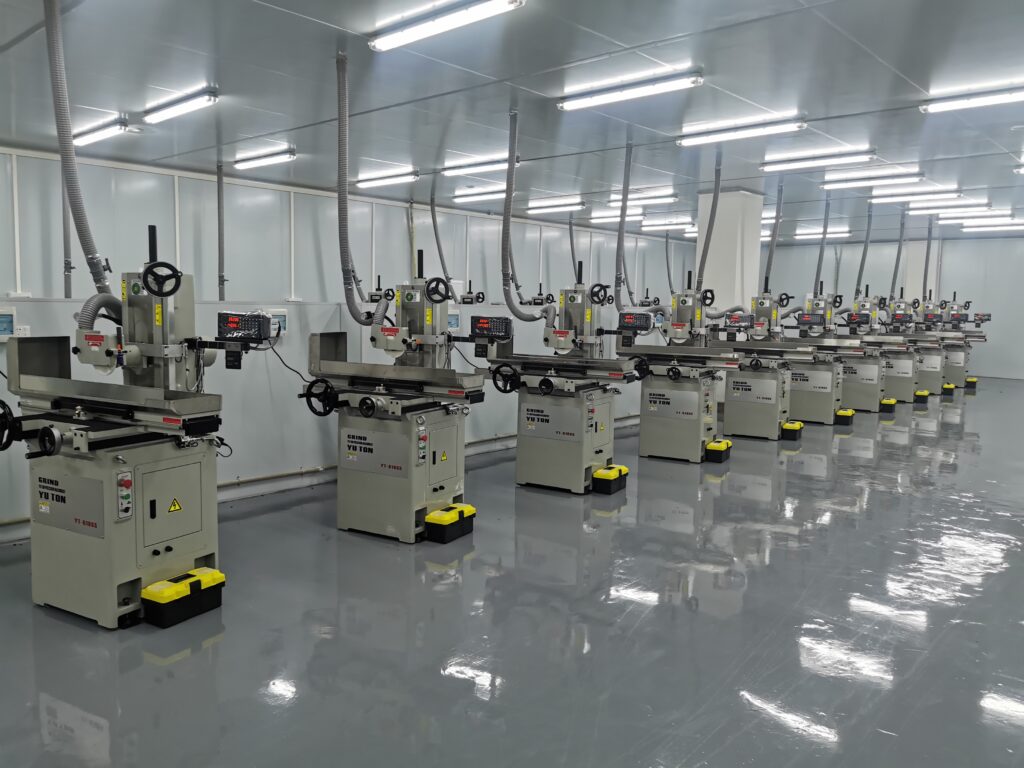
What is a Precision Grinding Machine?
A precision grinding machine is designed to remove material with extremely high accuracy, often within micron-level tolerances.
Compared to traditional machining methods, grinding offers:
Better surface finish
Higher dimensional accuracy
More stable repeatability
This is why precision surface grinding machines are widely used in high-end manufacturing.
Types of Precision Grinding Machines
Manual Surface Grinding Machine
Manual machines are suitable for small workshops and low-volume production. They are cost-effective but depend heavily on operator skill.
Semi-Automatic Grinding Machine
Semi-automatic machines improve efficiency with hydraulic control. They provide better consistency and are ideal for mid-scale production.
CNC Precision Grinding Machine
CNC machines offer full automation and high repeatability. A high precision grinding machine with CNC control can achieve accuracy up to ±0.002mm, making it ideal for export-oriented factories.
Key Technical Factors That Affect Precision
When selecting a high precision grinding machine, the following factors are critical:
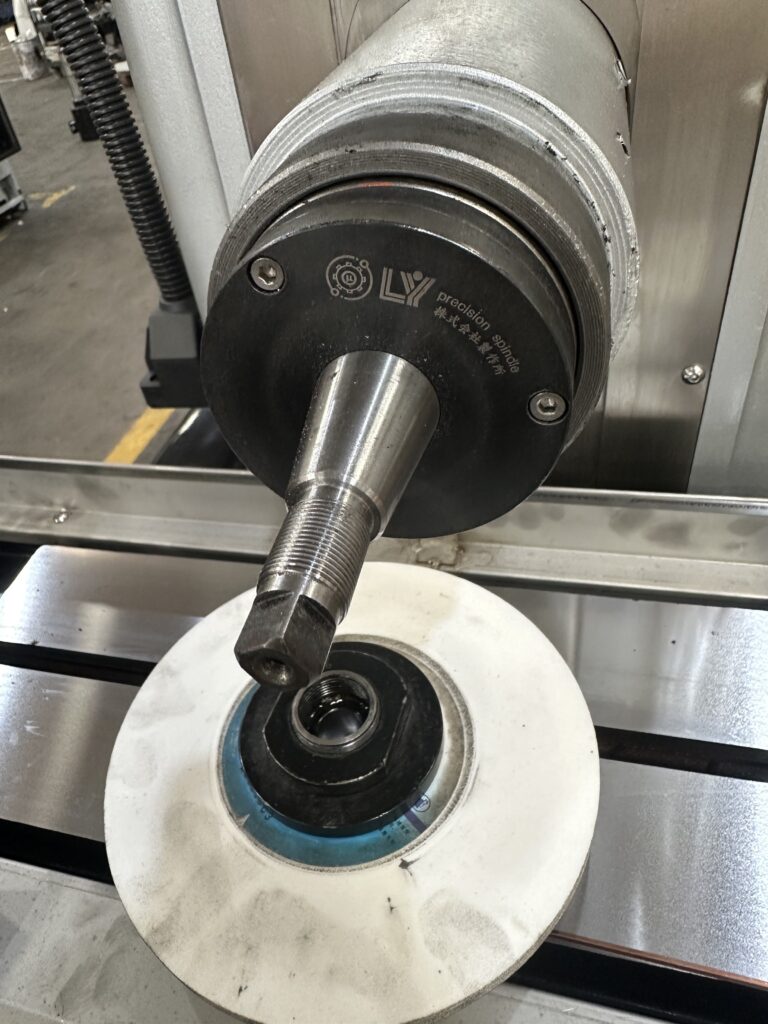
Spindle Quality
The spindle directly affects surface finish and accuracy. High-quality spindles ensure stability during long operation.
Guideway Structure
Guideways determine movement precision and long-term durability. High-grade cast iron structures reduce vibration.
Control System
PLC or CNC systems improve automation, consistency, and ease of operation.
Machine Rigidity
A rigid machine structure ensures minimal deformation during grinding, which is essential for high precision grinding and machining.
Applications of Precision Grinding
Precision grinding machines are widely used in:
Mold and die manufacturing
Automotive parts processing
Aerospace components
Medical equipment
Precision tooling
For industries requiring tight tolerances, precision surface grinding machines are essential.
Precision Grinding Machine Price Guide
The price of a precision grinding machine varies depending on configuration:
Manual machines: $3,000 – $8,000
Semi-automatic machines: $8,000 – $20,000
CNC machines: $20,000 – $80,000+
Key factors affecting price include machine size, spindle quality, control system, and component brands.
How to Choose the Right Precision Grinding Machine
Choosing the right precision grinding machine can significantly impact production efficiency and product quality.
First, define your accuracy requirements. For general applications, semi-automatic machines may be sufficient, but for micron-level precision, CNC is recommended.
Second, consider the workpiece size and select the appropriate table travel, such as 400×800mm or 500×1000mm.
Third, evaluate production volume. High-volume production requires CNC automation.
Finally, focus on core components and choose a reliable manufacturer with proven export experience and certifications.
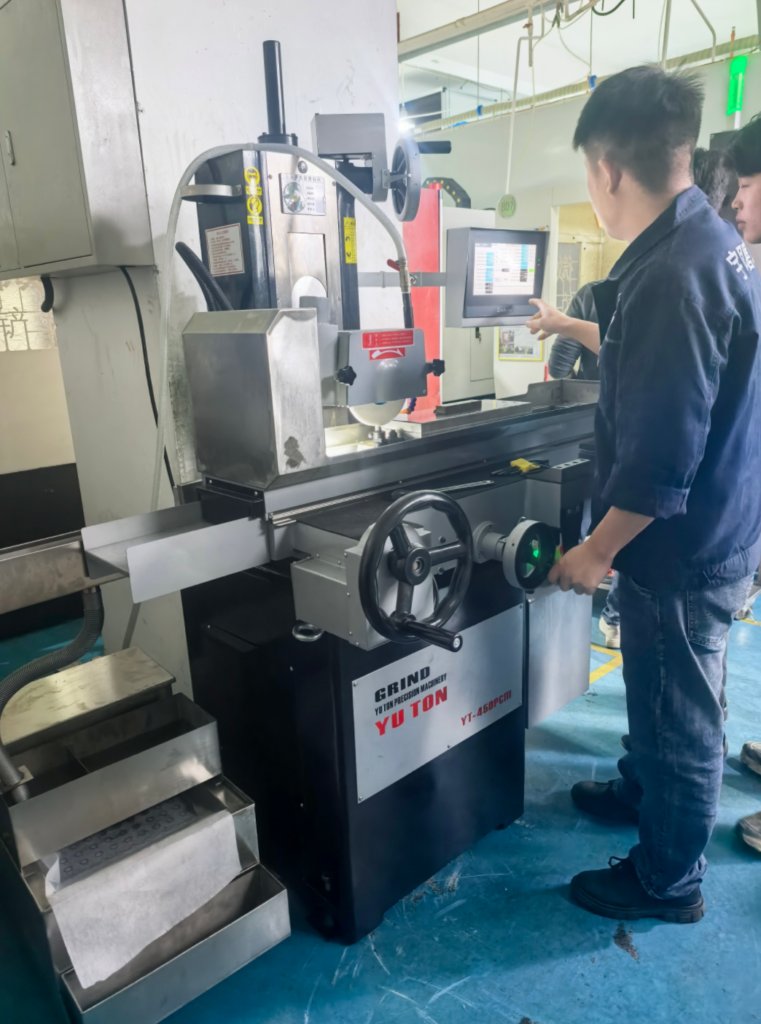
Get Expert Grinding Machine Solutions
Looking for a high precision grinding machine for your factory?
We provide customized solutions, stable quality machines, and full technical support for global clients.
Contact us today to get a quotation and professional recommendation.
FAQ
What accuracy can a precision grinding machine achieve?
Most machines achieve ±0.005mm, while CNC models can reach ±0.002mm.
What is the difference between grinding and machining?
Grinding provides higher precision and better surface finish compared to conventional machining.
How to maintain a precision surface grinding machine?
Regular lubrication, spindle inspection, and guideway cleaning are essential for maintaining accuracy.
Is a CNC grinding machine worth it?
Yes, especially for high-volume and high-precision production, CNC machines improve efficiency and consistency.
What industries use precision grinding machines?
Industries such as mold manufacturing, aerospace, automotive, and medical rely heavily on precision grinding.
Conclusion
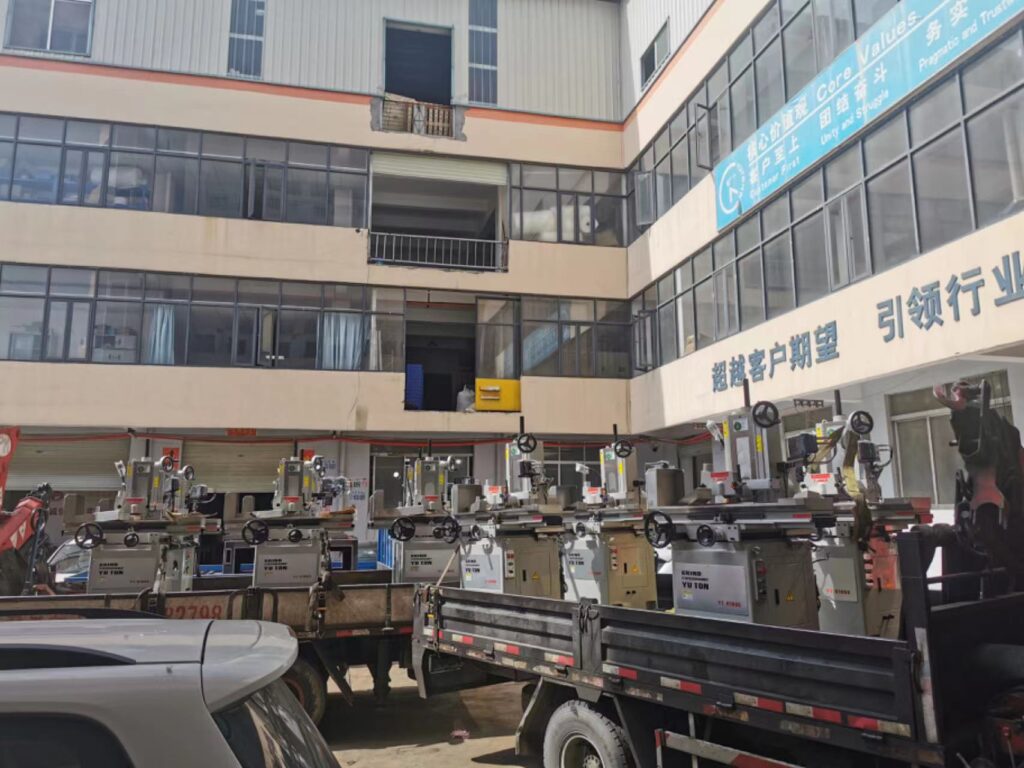
A precision grinding machine is a key investment for manufacturers aiming to improve accuracy, consistency, and productivity.
By understanding machine types, technical parameters, and application needs, you can select the right solution and maximize your return on investment.