
Precision grinding plays a critical role in achieving dimensional accuracy, surface quality, and machining consistency across a wide range of industrial materials.
However, many manufacturers discover that grinding results can vary significantly depending on the material being processed. A setup that performs well on tool steel may not produce the same results on carbide, ceramics, or hardened alloys.
Understanding material characteristics helps manufacturers improve grinding quality, reduce wheel wear, and increase production efficiency.
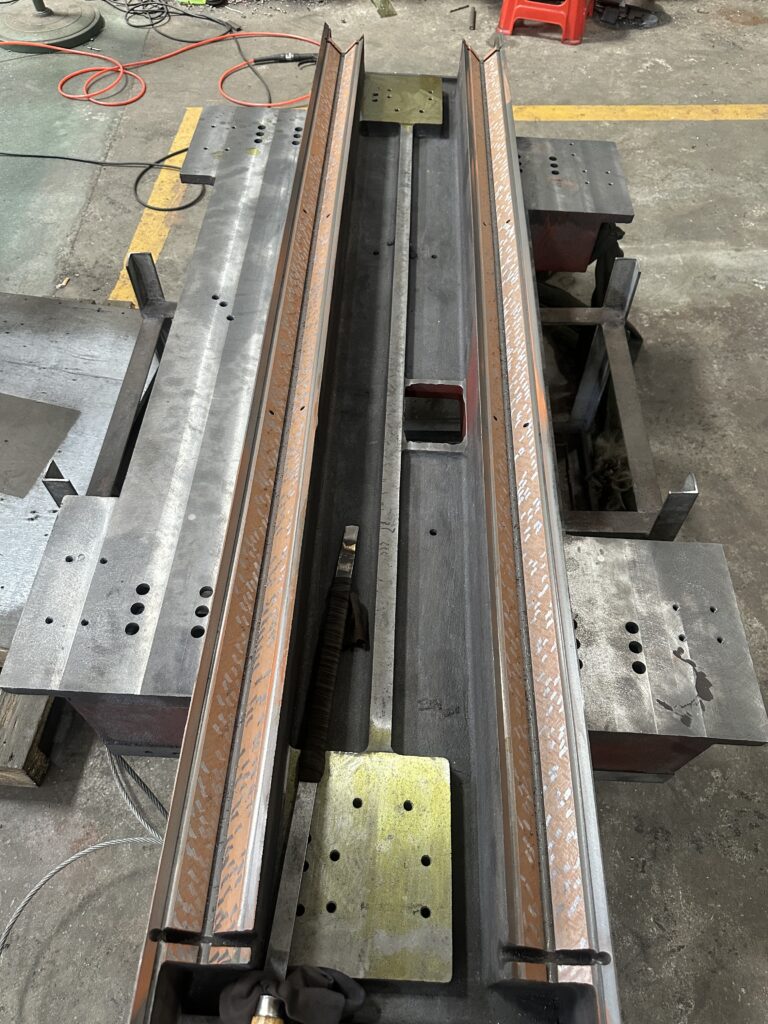
Why Material Selection Matters in Precision Grinding
Every material responds differently during the grinding process.
Factors such as hardness, thermal conductivity, and microstructure influence:
- Surface finish
- Grinding wheel life
- Heat generation
- Material removal rate
- Dimensional consistency
Successful precision grinding requires matching machine capability, grinding wheel selection, and process parameters to the material being machined.
Precision Grinding for Tool Steel
Tool steel remains one of the most common materials in mold and tooling industries.
Common Applications
- Injection molds
- Stamping dies
- Cutting tools
- Precision fixtures
Grinding Characteristics
Tool steel generally offers:
- Good dimensional stability
- Predictable grinding behavior
- Excellent surface finish potential
However, improper wheel selection can lead to excessive heat generation and surface burns.
Precision Grinding for Hardened Steel
Many industrial components require grinding after heat treatment.
Common Applications
- Guide rails
- Machine components
- Wear-resistant parts
Grinding Challenges
Hardened materials often create:
- Increased wheel wear
- Higher grinding forces
- Greater thermal sensitivity
Maintaining proper coolant flow becomes essential when processing hardened steel.
Precision Grinding for Carbide Materials
Carbide is widely used where extreme wear resistance is required.
Typical Applications
- Cutting tools
- Punches and dies
- Wear-resistant inserts
Grinding Requirements
Carbide materials require:
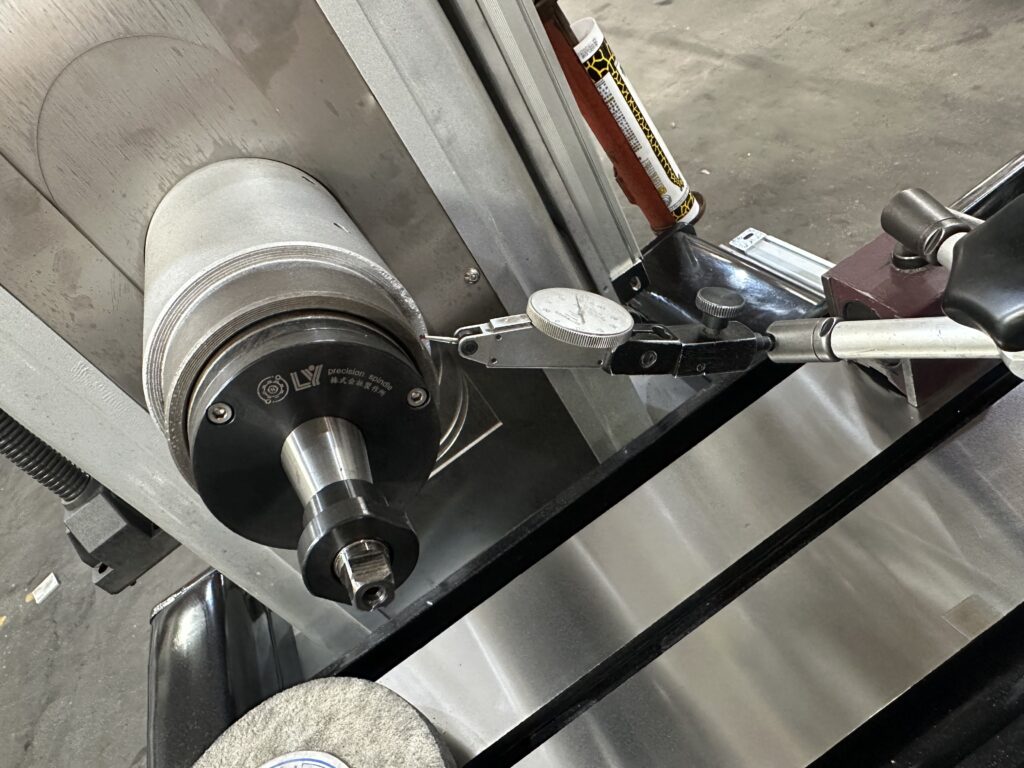
- High spindle stability
- Precision wheel balancing
- Controlled feed rates
Because carbide is brittle, vibration control becomes critical.
Precision Grinding for Ceramic Components
Advanced ceramics are increasingly used in modern manufacturing.
Common Applications
- Semiconductor equipment
- Medical devices
- Electronic components
Grinding Considerations
Ceramic materials present unique challenges:
- High hardness
- Low fracture toughness
- Strict surface quality requirements
Precision grinding helps manufacturers achieve tight tolerances while minimizing edge chipping.
How Material Properties Affect Surface Quality
Different materials generate different grinding responses.
Hardness
Higher hardness generally increases grinding resistance.
Thermal Conductivity
Materials with poor heat dissipation may experience thermal damage more easily.
Material Structure
Grain size and composition influence achievable surface finish.
Elasticity
Material flexibility affects grinding stability.
Understanding these factors improves process optimization.
Selecting the Right Grinding Machine for Different Materials
Material diversity requires flexible machining capability.
Important considerations include:
Machine Rigidity
Stable structures improve grinding consistency.
Spindle Performance
Precision spindle systems support multiple material types.
Coolant Management
Efficient cooling improves machining quality.
Control System Capability
Accurate motion control enhances process repeatability.
Manufacturers processing multiple materials should prioritize machine versatility rather than focusing only on maximum removal rates.
How YUTON Supports Precision Grinding Applications
YUTON develops grinding solutions capable of processing a wide variety of industrial materials.
Manufacturing Capability
- 7 factory buildings
- 15,000㎡ production area
- 150 engineering and technical staff
- ISO 9001 certified manufacturing system
- CE certified export machines
- Annual sales of 3,100 grinding machines in 2025
Engineering Advantages
- High-rigidity machine structures
- Precision spindle systems
- Stable grinding performance
- CNC and automatic options
- International brand components
- Factory-direct support
Global Service Support
- Export packaging
- Installation guidance
- Technical consultation
- Spare parts support
- OEM manufacturing
- Distributor partnerships
For quality management standards:
ISO 9001 Quality Management System
For CE compliance information:
European CE Marking Requirements
Improving Precision Grinding Efficiency
Manufacturers can improve grinding performance by:
- Selecting appropriate grinding wheels
- Optimizing feed rates
- Controlling coolant application
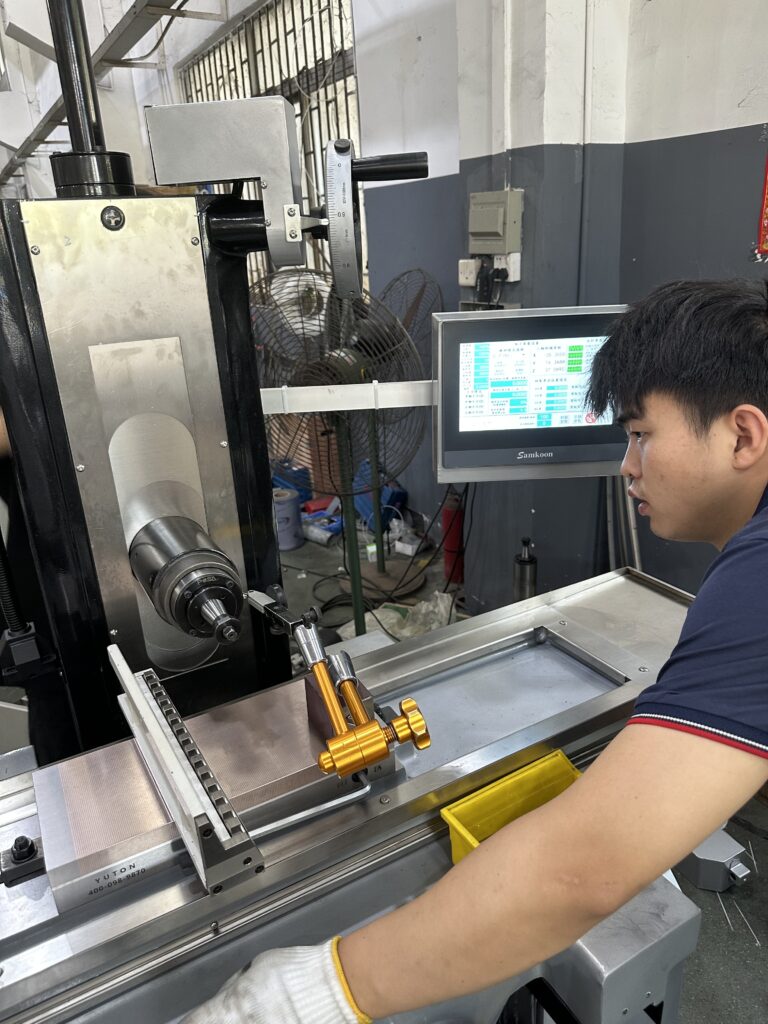
- Maintaining spindle accuracy
- Matching grinding parameters to material properties
A material-focused grinding strategy often delivers better results than relying solely on machine specifications.
Request a Precision Grinding Solution
Looking for grinding equipment capable of processing steel, carbide, ceramic, or hardened materials?
YUTON can recommend the right grinding solution based on your material type, production requirements, and quality objectives.
Contact YUTON today for technical consultation and factory-direct pricing.
FAQ
What materials are commonly processed using precision grinding?
Tool steel, hardened steel, carbide, ceramics, and other high-performance industrial materials.
Why does material type affect grinding performance?
Different materials have unique hardness, thermal, and structural properties that influence machining behavior.
Is carbide more difficult to grind than steel?
Yes. Carbide requires greater spindle stability and more precise process control.
Can ceramics be processed using precision grinding?
Yes. Precision grinding is widely used for advanced ceramic components requiring tight tolerances.
Can YUTON provide grinding solutions for multiple material types?
Yes. YUTON offers grinding machines suitable for a wide range of industrial materials.