
Hydraulic surface grinder wholesale supply sits at the high-value end of the machine tool import business. Moreover, dealers who get the pricing, configuration and container math right build a product line that sells for years. This guide explains how the channel works in 2026. It covers MOQ, tiered pricing, mixed containers, OEM options and dealer terms. Consequently, importers and regional distributors can plan their first or next container with real numbers rather than guesswork.
What Is Hydraulic Surface Grinder Wholesale?
Hydraulic surface grinder wholesale means buying automatic, hydraulically fed hydraulic surface grinders directly from a factory at contracted volume pricing. However, it is not simply a discount on a single machine. Wholesale orders repeat on a schedule. They carry agreed terms, fixed configurations and branding or packaging options for the destination market. Therefore, the buyer acts as a channel partner rather than an end user.
Wholesale pricing is built for overseas dealers, industrial importers and regional machinery chains. Specifically, these buyers stock machines, demonstrate them locally and resell with installation, training and after-sales service. In addition, trading companies that supply government tenders or factory projects buy at wholesale when several machines are involved. By contrast, a single workshop replacing one old machine normally buys retail or through a local stockist.
Hydraulic machines grind automatically. The table feed runs on hydraulic power, so the operator loads the part, starts the cycle and checks dimensions. As a result, output and dimensional consistency beat hand-fed machines on long runs and repeat batches. This explains why wholesale buyers pair them with entry-level models. Indeed, the same end customer often starts with a manual machine and upgrades within two or three years.
The customers on the dealer floor are mold makers, tool rooms and repair workshops. Furthermore, general engineering shops and educational or maintenance centers buy them when surface quality and flatness matter. These buyers purchase through dealers because they want local commissioning and fast spare parts. Thus, a wholesale program works only when the factory treats the dealer as the local face of the brand.
Wholesale orders also have a different rhythm from retail sales. For example, a dealer may place one forty-foot container every quarter instead of one machine each month. In addition, the same purchase contract can repeat for a full year at locked pricing. This stability lets both sides plan production and cash flow. Consequently, the factory can reserve assembly slots and hold common components for the dealer.
Why Hydraulic Grinders Are the High-Margin Core of Wholesale Grinder Supply
Developing industrial markets still have a huge base of small and medium workshops. In fact, many of these shops own aging equipment and now automate as skilled labor costs rise. Therefore, dealers in fast-growing regions see steady demand for hydraulic grinding machines at wholesale-oriented volumes. Meanwhile, developed markets need replacement units for their dense installed base.
Demand starts with repair and refurbishment work. For example, worn machine ways, die components and spare batches all need flat, parallel surfaces. In addition, mold and die shops grind plates, inserts and electrodes on these machines every day. General engineering shops use them for fixtures, gauges and small production runs. Thus, no single industry carries all the risk.
Hydraulic grinders also create recurring revenue. Indeed, wheels, dressers, seals, hydraulic oil and filters wear out and must be replaced. As a result, a dealer earns parts and service income long after the container is sold. Moreover, customers return for a second or third machine when their business grows. This repeat purchase pattern is why bulk hydraulic grinders anchor many dealer catalogs.
According to Modern Machine Shop, grinding remains essential wherever tight tolerances and fine surface finishes are required. Therefore, a quality hydraulic unit sells on productivity, not just price. In addition, the upgrade cycle is clear. Shops begin with hand-fed machines, then move to hydraulic feed once batches grow. Dealers who stock both stages keep the customer for the full journey.
A large hydraulic surface grinder carries the highest ticket in the range. Consequently, one or two big units can anchor the revenue of an entire container. Smaller hydraulic machines then fill the volume and turnover gaps. Indeed, this mix protects margin while keeping the showroom attractive to different buyers.
Hydraulic Surface Grinder Wholesale Pricing, MOQ and Container Logistics
Volume drives the price. Hydraulic surface grinder wholesale pricing usually works in tiers, and unit cost drops when a dealer orders several units of the same model. For example, four to six machines of one specification earn the first volume tier. In addition, annual commitments can unlock a deeper level. Therefore, dealers should quote against yearly volume, not just one shipment.
Quotes are normally issued FOB Chinese port, and CIF terms are available on request. However, CIF only covers ocean freight and insurance to the destination port. It never covers import duties, port handling or inland delivery. Thus, dealers must add local costs before setting their retail price. Alternatively, the factory can work with the dealer’s forwarder for a cleaner split of responsibility.
Configuration moves the price as much as quantity. A machine with a basic magnetic chuck and standard coolant system costs less than one with an inverter, fine-feed options or upgraded controls. Consequently, comparing two quotes line by line is essential. In addition, payment terms matter for cash planning. New dealers typically pay a deposit with the balance before shipment, while repeat partners can negotiate letters of credit or staged terms.
When comparing offers, dealers should request the same Incoterms on every quote. For example, an FOB price and a CIF price are not directly comparable. Furthermore, a seemingly cheap offer may exclude standard accessories or use weaker core components. Thus, a written configuration list protects both parties. Indeed, clear paperwork prevents almost every dispute that appears after arrival.
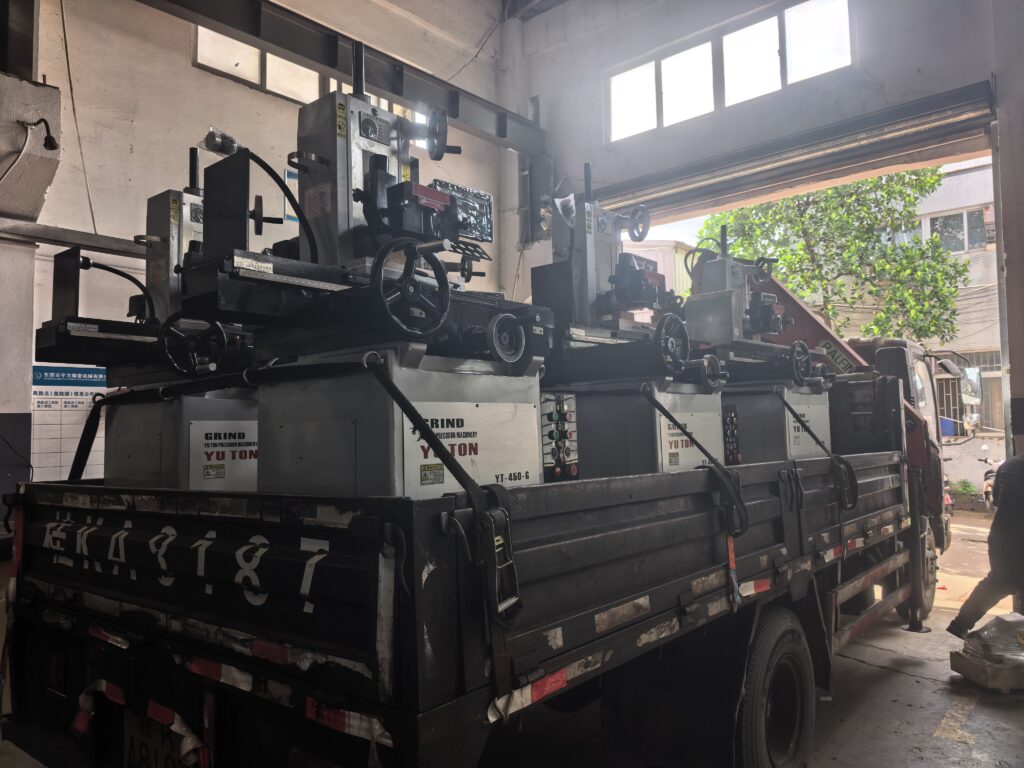
Dealer container orders usually start at one twenty-foot container. A typical hydraulic machine weighs two to four tons and needs robust, space-efficient packing. Therefore, a twenty-foot box often carries only three to five units depending on model size. In addition, the full container must be loaded and braced for weeks at sea. Consequently, weight distribution matters as much as unit count.
Smart dealers mix the container. They load hydraulic units with manual surface grinders or milling machines to use every cubic meter. For example, a small automatic surface grinder can fill space between heavier units. As a result, the average freight cost per machine falls. The surface grinder price page shows how the model ladder fits this kind of plan.
Export packing uses fumigated timber, seaworthy wrapping and clearly marked crates. Moreover, ISPM 15 marks must be visible for customs in almost every market. Therefore, dealers should confirm packing standards before booking the vessel. Destination ports add their own issues. In fact, congestion, demurrage and complex inspections can erase thin margins. Consequently, experienced dealers pre-clear documents and quote local delivery to the end customer.
Choosing a Hydraulic Surface Grinder Wholesale Factory and Partner Program
Before the first container, wholesale buyers should test how a factory handles customization. Volume buyers commonly need custom nameplates, paint color codes and multilingual manuals. In addition, voltage and frequency differ by region. For example, machines may run on 380V at 50Hz or 440V at 60Hz. Therefore, the production line must adapt before assembly begins.
Coolant systems, dust protection and PLC language packs are also regional choices. Russian-speaking operators, for instance, may need Cyrillic interface text. Meanwhile, dealers in Turkey and Mexico require local voltage and Spanish documentation. Furthermore, dealers in Southeast Asia and India prioritize heat tolerance, dust sealing and fast local service.
A real manufacturer differs sharply from an assembler or trader. A genuine factory designs, machines or sources core parts, assembles, tests and ships under one roof. By contrast, a trader buys finished machines and cannot control batch consistency. Therefore, ask for workshop footage, production records and a live video audit before deposit. Indeed, serial numbers and test reports should follow every unit.
Certifications provide a useful baseline. ISO 9001 quality systems document consistent processes. In addition, CE marking matters for machines entering the European market. However, certificates alone never replace an on-site look at the assembly flow. Industry associations such as AMT and SME also publish useful benchmarks for evaluating manufacturing technology suppliers.
Core components reveal quality fast. Serious factories use Japanese, Taiwanese and American first-tier brands for bearings, hydraulic elements, spindles and control parts. Moreover, they name those brands openly in the quotation. As a result, dealers can promise spare parts availability with confidence. By contrast, vague wording such as imported quality usually hides anonymous components.
Batch consistency is equally important. Machine number three in a container must match machine number ten six months later. Therefore, ask how the factory controls tolerances, run-in testing and paint standards across batches. In addition, request inspection photos and test charts for each machine before shipment. Indeed, this discipline prevents the failures that destroy a new dealer’s reputation.
Spare parts supply decides long-term loyalty. A dealer needs common wear parts on the shelf from day one. Consequently, the factory should offer a recommended parts kit with every container. In addition, warranty terms and service response times should be written into the agreement. For example, a clear claim process with photo evidence protects both sides.
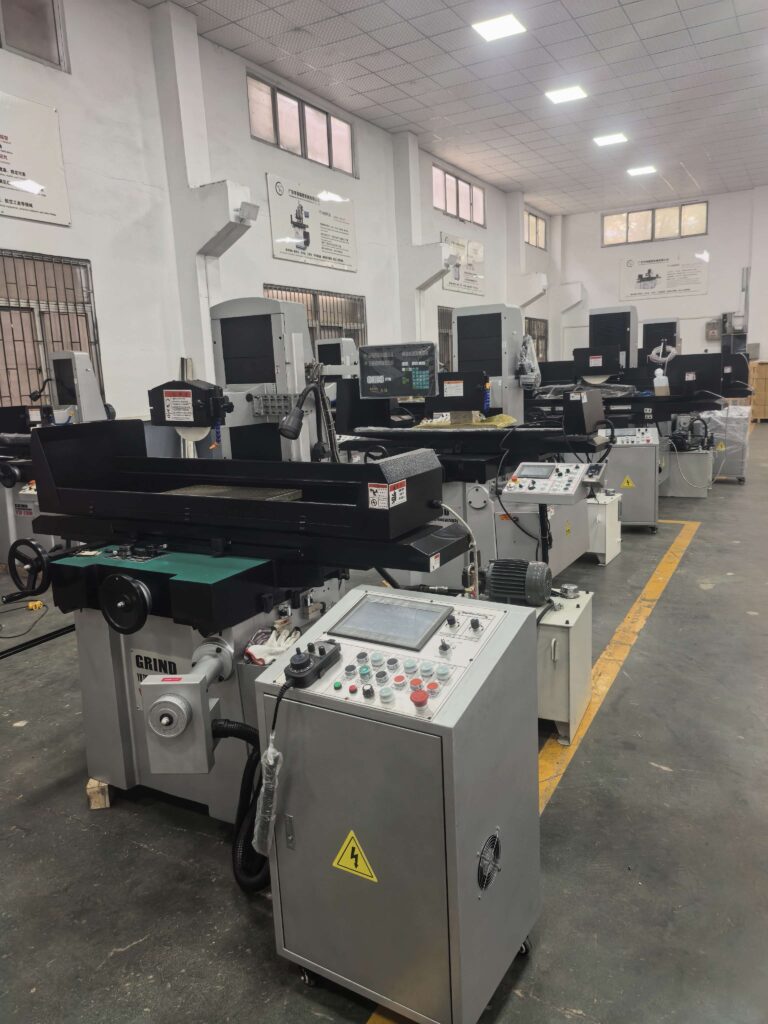
YUTON operates its own Dongguan factory with about 150 people across 15,000 square meters and seven production buildings. In 2025 the factory shipped around 3,100 surface grinders, placing it among the top three producers nationwide. Furthermore, core components come from leading Japanese, Taiwanese and American brands. Therefore, dealers receive consistent machines they can service for years.
The YUTON partner program offers defined territory protection, so authorized distributors are not undercut in their own region. In addition, YUTON stocks common spare parts and supports dealers with technical training and installation guidance. Marketing materials, machine photos and specification sheets help dealers sell faster. Moreover, OEM and ODM requests, from nameplates to custom colors, are handled in-house.
New dealers do not need a perfect container on day one. For example, a small trial order can validate the market before a full yearly commitment. Meanwhile, established chains can move directly into exclusive regional agreements. To start, buyers can send an inquiry with target models and destination port, or submit a distributor application to the export team.
FAQ: Hydraulic Surface Grinder Wholesale Orders
What is the MOQ for a wholesale order?
Most programs start at one full container, usually three to five hydraulic units depending on model size. However, YUTON also accepts smaller trial orders for new markets. In addition, a mixed container with manual grinders counts toward the first partnership step. Therefore, dealers can begin without overstocking capital in one product.
Can I mix hydraulic and manual machines in one container?
Yes, mixed loading is standard and usually lowers the freight cost per machine. For example, lighter manual grinders fill gaps around heavy hydraulic units. Moreover, the factory plans the loading plan and weight balance before packing. As a result, the container stays stable through the ocean voyage. In fact, mixed containers often arrive with better space utilization than single-model loads.
What payment terms do wholesale buyers use?
New dealers typically pay a deposit with the balance cleared before shipment. However, repeat partners can discuss letters of credit or staged payments. In addition, all terms are confirmed on the pro forma invoice before production starts. Therefore, both sides know the cash schedule from the first day.
Can I order custom voltage, branding and manuals?
Yes, voltage, frequency, paint color, nameplates and multilingual manuals are all configurable. For example, Spanish, Russian and local-language documentation can be prepared for the target region. In addition, PLC language packs and coolant options are set before assembly. Thus, dealers receive machines ready for their local customers. ODM development is also available for larger annual programs.
How long does production and shipping take?
Standard dealer container orders usually take several weeks of production after the deposit is confirmed. In addition, exact timing depends on configuration and vessel schedules. Moreover, the export team updates the dealer at each production milestone. Therefore, planning around a quarterly order rhythm is the safest approach.
Conclusion
Hydraulic grinders give dealers a high-value product with strong recurring parts and service income. However, success depends on tiered pricing, smart container loading and a factory that can deliver consistent batches. Moreover, OEM options and regional configuration decide how well the machines sell on the local floor.
If you are an end buyer, send your workpiece dimensions, required table size and target tolerance for a direct quotation. The YUTON team will recommend the right model and configuration. In addition, you will receive clear lead time and shipping information.
If you resell machinery, apply to become an authorized YUTON distributor through the distributor application. The program offers territory protection, spare parts support, training and OEM cooperation. Furthermore, mixed containers let you launch with controlled capital. Therefore, send your inquiry or application today and plan your first container for 2026.