
AI Summary
Grinding accuracy is one of the most important indicators of machining performance in modern manufacturing. High grinding accuracy improves dimensional consistency, reduces production defects, extends component life, and lowers manufacturing costs. This guide explains the key factors affecting grinding accuracy, common challenges manufacturers face, and how advanced grinding technology helps achieve reliable precision results.
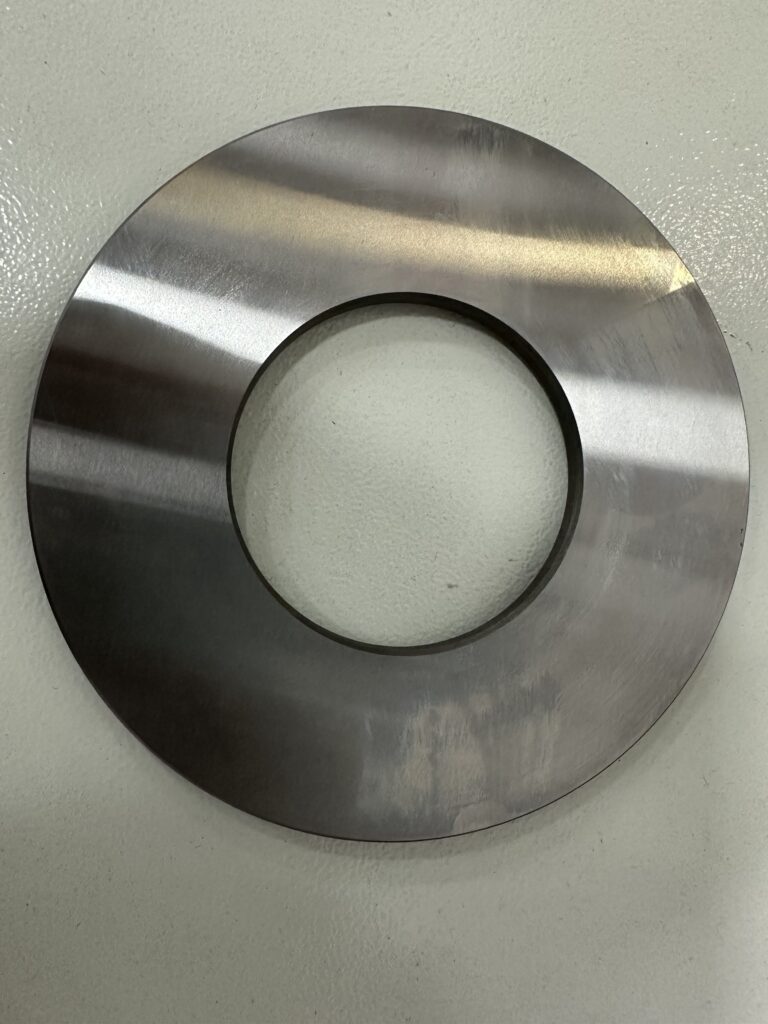
Why Grinding Accuracy Matters in Modern Manufacturing
Grinding accuracy directly influences the quality and performance of finished components. Whether manufacturing aerospace parts, automotive components, medical devices, or precision molds, maintaining consistent grinding accuracy is essential for meeting customer specifications and industry standards.
Poor accuracy can lead to assembly issues, excessive wear, increased scrap rates, and higher production costs. By contrast, precise grinding helps manufacturers improve product reliability and maintain a competitive advantage.
In today’s global manufacturing environment, customers increasingly expect tighter tolerances and better quality control. As a result, grinding accuracy has become a key purchasing consideration when selecting grinding equipment.
Key Benefits of High Grinding Accuracy
High grinding accuracy delivers several important benefits:
- Improved dimensional consistency
- Better surface quality
- Reduced component rejection rates
- Lower production costs
- Enhanced product reliability
- Longer component service life
- Increased customer satisfaction
For manufacturers producing high-value parts, even small improvements in precision can generate significant long-term savings.
Factors Affecting Grinding Accuracy
Machine Rigidity
Machine structure is the foundation of precision grinding.
A rigid machine frame minimizes vibration and maintains stability during machining. High-quality cast iron construction, precision guideways, and optimized machine design help maintain long-term accuracy.
Manufacturers should prioritize machine stability when evaluating grinding equipment because structural rigidity directly affects machining performance.
Grinding Wheel Condition
Grinding wheel quality and maintenance significantly influence precision results.
Key considerations include:
- Wheel balance
- Wheel dressing frequency
- Abrasive grain size
- Bonding material selection
Proper wheel maintenance ensures consistent cutting performance and minimizes dimensional variation.
Process Parameters
Grinding parameters must be carefully controlled to achieve optimal results.
Important variables include:
- Feed rate
- Wheel speed
- Grinding depth
- Coolant delivery
Even a high-quality machine can produce poor results if process settings are not properly optimized.
Workpiece Material Properties
Different materials require different grinding strategies.
For example:
- Hardened steel
- Stainless steel
- Tool steel
- Carbide
- Alloy materials
Each material responds differently to grinding forces and heat generation. Understanding material characteristics helps manufacturers maintain consistent accuracy.
Common Grinding Accuracy Problems
Thermal Expansion
Heat generated during grinding can cause workpiece distortion and dimensional errors.
Effective coolant systems and optimized grinding parameters help reduce thermal effects.
Machine Vibration
Vibration is one of the most common causes of accuracy loss.
Potential sources include:
- Wheel imbalance
- Machine wear
- Poor installation
- Excessive cutting forces
Regular maintenance helps minimize vibration-related issues.
Wheel Wear
As grinding wheels wear, dimensional consistency may gradually decline.
Routine wheel dressing and replacement schedules help maintain stable performance throughout production.
Operator Variability
Manual adjustments can introduce inconsistencies.
Modern automated grinding systems help reduce human error and improve repeatability.
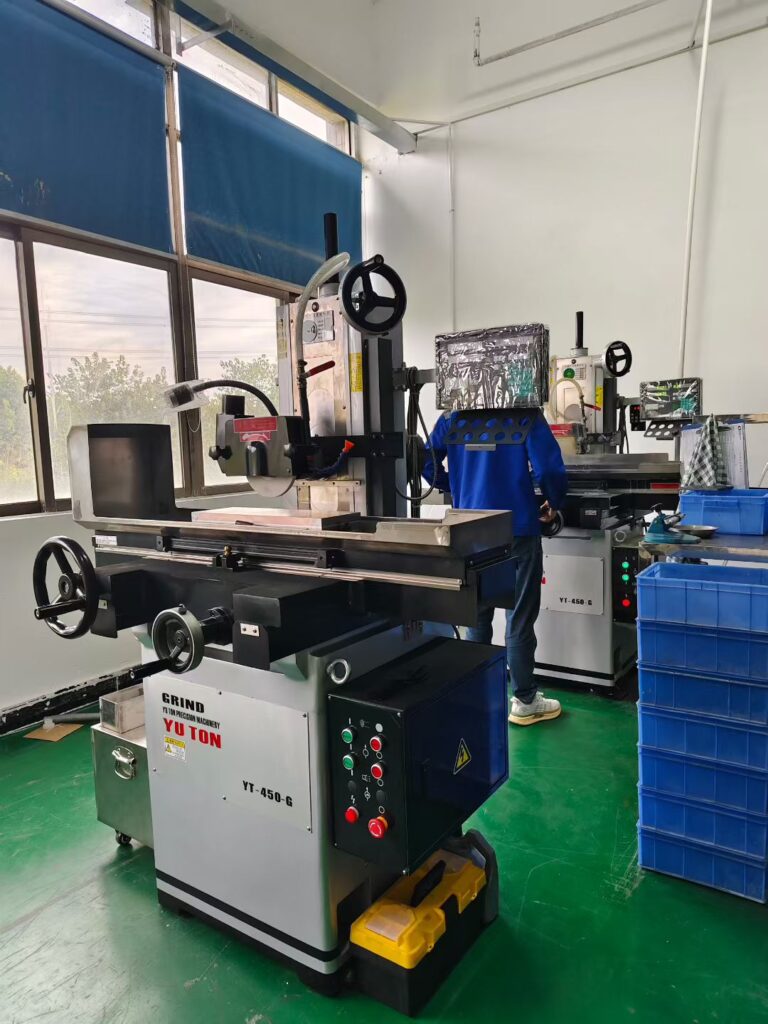
How Smart Manufacturing Improves Grinding Accuracy
Advanced manufacturing technologies are transforming precision grinding operations.
Modern grinding systems increasingly incorporate:
- Automatic wheel dressing
- Closed-loop positioning control
- Real-time monitoring sensors
- Adaptive grinding technology
- AI-assisted process optimization
- Predictive maintenance systems
These technologies enable manufacturers to achieve more consistent results while reducing labor requirements and machine downtime.
As Industry 4.0 adoption continues to expand, intelligent grinding systems are becoming essential for maintaining competitive production standards.
Why Grinding Accuracy Matters More Than Machine Price
Many buyers focus primarily on machine purchase cost. However, long-term grinding accuracy often has a much greater impact on overall profitability.
A lower-cost machine may initially appear attractive, but poor precision retention can lead to:
- Increased scrap
- Higher maintenance costs
- Reduced productivity
- More customer complaints
- Shorter machine life
Investing in a machine designed for long-term precision stability often provides a lower total cost of ownership.
For global manufacturers, accuracy retention is frequently more valuable than a lower purchase price.
Why Choose YUTON for High-Precision Grinding Solutions
Guangdong YUTON Precision Machinery Co., Ltd. specializes in manufacturing precision grinding equipment for global industrial customers.
With more than 10 years of export experience, YUTON operates:
- 7 factory buildings
- 15,000㎡ manufacturing area
- More than 150 employees
In 2025, YUTON delivered over 3,100 grinding machines worldwide and ranked among China’s leading grinding machine manufacturers.
YUTON advantages include:
- ISO9001 certified quality management system
- CE certified grinding machines
- Premium components from Japan, Germany, Taiwan, and the USA
- Factory-direct manufacturing
- Stable long-term precision performance
- Professional technical support
- Global export experience
Many YUTON grinding machines achieve:
- Flatness accuracy up to 0.001 mm
- Surface roughness as low as Ra 0.02 μm
depending on machine configuration and application requirements.
Explore YUTON Grinding Solutions
- Surface Grinder Manufacturer
https://surfacegrindermfg.com/ - CNC Surface Grinder
https://surfacegrindermfg.com/cnc-surface-grinder/ - PLC Surface Grinder
https://surfacegrindermfg.com/plc-surface-grinder/ - Automatic Surface Grinder
https://surfacegrindermfg.com/automatic-surface-grinder/
Industry Resources
- ISO International Standards
https://www.iso.org - European Commission CE Compliance
https://ec.europa.eu - SME Manufacturing Resources
https://www.sme.org
Frequently Asked Questions
What is grinding accuracy?
Grinding precision refers to the ability of a grinding machine to consistently achieve the required dimensions, tolerances, and geometric specifications during machining.
Why is grinding accuracy important?
It directly affects product quality, assembly performance, service life, and manufacturing efficiency.
How can manufacturers improve grinding accuracy?
Manufacturers can improve precision through proper machine selection, wheel maintenance, optimized grinding parameters, and preventive maintenance programs.
What industries require high grinding accuracy?
Aerospace, automotive, medical devices, mold manufacturing, toolmaking, and precision engineering industries all require high levels of precision.
Can CNC grinding improve grinding accuracy?
Yes. CNC grinding systems provide better positioning control, repeatability, and process consistency than traditional manual operations.
Conclusion
Grinding precision is one of the most critical factors determining manufacturing quality and long-term production success. By combining stable machine structures, optimized grinding processes, quality components, and intelligent manufacturing technologies, manufacturers can achieve superior precision and lower operating costs.
For companies seeking reliable grinding solutions, choosing equipment that maintains long-term accuracy is often more important than selecting the lowest-priced machine.
YUTON provides precision grinding solutions designed to help manufacturers achieve exceptional grinding accuracy, consistent performance, and long-term reliability.