
The CNC surface grinder guide below helps manufacturers understand how to select the right grinding machine for precision machining applications. As production standards continue to rise in aerospace, mold making, automotive, and medical industries, CNC grinding technology has become an important investment for companies seeking higher accuracy, better efficiency, and long-term cost savings.
Compared with traditional manual grinding machines, CNC systems offer automated control, repeatable performance, and consistent surface quality. This CNC surface grinder guide covers machine features, selection criteria, industry trends, and practical buying advice.
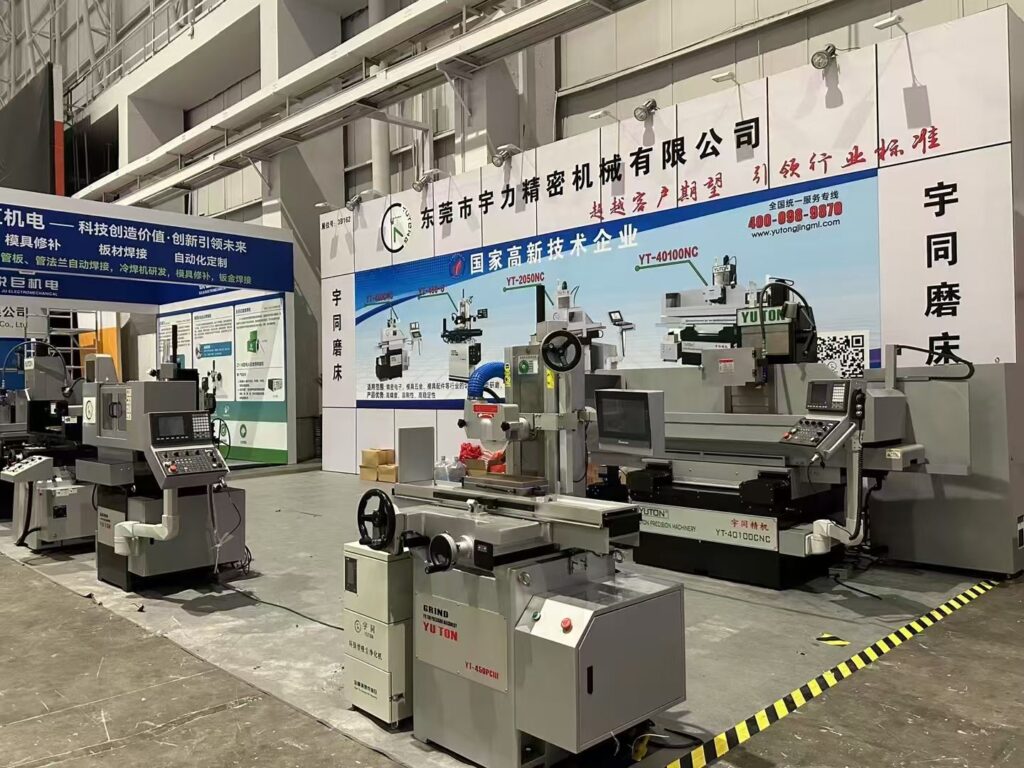
What Is a CNC Surface Grinder?
A CNC surface grinder is a precision machine tool that uses computer-controlled movement to remove material from a workpiece surface with exceptional accuracy.
The machine automatically controls table movement, wheel positioning, and grinding cycles to achieve consistent results. Modern CNC grinding equipment can perform rough grinding, finish grinding, and spark-out operations with minimal operator intervention.
Key components typically include:
- CNC control system
- Precision spindle assembly
- Automatic wheel dressing system
- Magnetic chuck
- Lubrication system
- Precision guideways
These features help manufacturers maintain stable machining quality across long production runs.
Benefits of a CNC Surface Grinder Guide for Manufacturers
Higher Precision and Repeatability
One of the primary reasons manufacturers follow a CNC surface grinder guide is to improve machining accuracy.
Advanced grinding systems can achieve precision levels up to ±0.002 mm under suitable operating conditions. This capability is essential for:
- Mold components
- Precision tooling
- Aerospace parts
- Medical devices
- Semiconductor equipment
Consistent accuracy reduces rework and improves overall product quality.
Increased Production Efficiency
Automation significantly improves productivity.
A CNC grinding machine can automatically execute programmed grinding cycles while reducing operator involvement. As a result, manufacturers often experience:
- Shorter cycle times
- Reduced labor requirements
- Improved machine utilization
- Better production consistency
Lower Long-Term Operating Costs
Although the initial investment may be higher than a manual machine, long-term savings often justify the purchase.
Lower scrap rates, reduced downtime, and higher throughput contribute to a stronger return on investment.
How to Choose the Right CNC Surface Grinder
Evaluate Your Precision Requirements
Before purchasing a machine, determine the required tolerance levels for your products.
Applications involving molds, aerospace components, or precision fixtures typically require tighter tolerances than general manufacturing applications.
Consider Workpiece Size
Table size directly impacts machine capability.
Common CNC surface grinder configurations include:
- 200 × 500 mm
- 300 × 600 mm
- 400 × 800 mm
- 500 × 1000 mm
Selecting the correct machine size improves productivity and reduces setup time.
Analyze Total Cost of Ownership
A complete CNC surface grinder guide should always consider total ownership cost rather than purchase price alone.
Important factors include:
- Energy consumption
- Maintenance requirements
- Grinding wheel costs
- Operator training
- Spare parts availability
Machines built with high-quality components often provide lower lifecycle costs.
CNC Surface Grinder Guide: Industry Trends in 2026
The grinding industry continues to evolve with advances in automation and smart manufacturing.
Smart Monitoring Systems
Modern CNC grinding machines increasingly include:
- Temperature monitoring
- Vibration sensors
- Load monitoring
- Predictive maintenance systems
These technologies help prevent unexpected downtime and improve process stability.
Multi-Process Manufacturing
Many manufacturers now prefer equipment that combines multiple machining functions.
Integrated machining solutions reduce handling time and improve overall production efficiency.
Growth in Advanced Industries
Demand for precision grinding continues to grow in:
- Aerospace manufacturing
- Electric vehicle production
- Robotics components
- Semiconductor equipment
- Medical technology
As these industries expand, the need for precision grinding solutions also increases.
Quality Standards and International Compliance
Quality assurance remains a critical factor when purchasing grinding equipment.
Manufacturers should evaluate suppliers that follow internationally recognized standards.
Useful references include:
- CE Marking Requirements: CE Marking Requirements
- ISO 9001 Quality Management: ISO 9001 Quality Management Standards
Equipment produced under certified quality systems typically offers greater consistency and traceability.

Why Manufacturers Choose YUTON CNC Grinding Solutions
Guangdong YUTON Precision Machinery Co., Ltd. specializes in precision grinding equipment for global industrial customers.
Key advantages include:
- CE-certified machines
- ISO 9001 manufacturing system
- Precision spindle technology
- Stable cast iron machine structures
- Global export experience
- Technical support for international customers
Popular machine categories include CNC surface grinders, PLC surface grinders, automatic grinding machines, and manual surface grinders.
Recommended Internal Resources
For additional information, explore:
- CNC Surface Grinder Series
- PLC Surface Grinder Solutions
- Automatic Surface Grinding Machines
- Manual Surface Grinder Models
- Contact Our Engineering Team
Frequently Asked Questions
What accuracy can a CNC surface grinder achieve?
Most high-quality machines can achieve approximately ±0.002 mm accuracy under proper operating conditions.
How long does operator training take?
Operators with machining experience can often become productive within several days of training.
What materials can be ground?
Common materials include tool steel, stainless steel, titanium alloys, ceramics, and glass.
What is the typical return on investment?
Many manufacturers achieve ROI within 12 to 24 months through labor savings and increased productivity.
Conclusion
This CNC surface grinder guide provides a practical framework for evaluating grinding equipment in 2026. By focusing on precision requirements, machine size, ownership cost, and supplier capability, manufacturers can make more informed purchasing decisions.
As automation and smart manufacturing continue to develop, CNC grinding technology will remain an essential part of high-precision production. Companies that invest in reliable grinding solutions today will be better positioned to compete in tomorrow’s manufacturing environment.