
If you’re sourcing a CNC grinding machine manufacturer in China, you’ll quickly notice the market is crowded—and not every supplier is a real factory.
The key difference is simple: some companies fully control production, while others only resell machines without engineering capability. This directly affects machining stability and long-term reliability in batch production.
In precision grinding, even small inconsistencies can lead to downtime or quality issues. That’s why selection should focus on technical capability rather than price alone.
Quick Answer
A reliable CNC grinding machine manufacturer should have in-house production, proven export experience, and stable accuracy (around ±0.002 mm for industrial use). For most batch production applications, a qualified Chinese factory offers the best balance of cost, lead time, and performance.
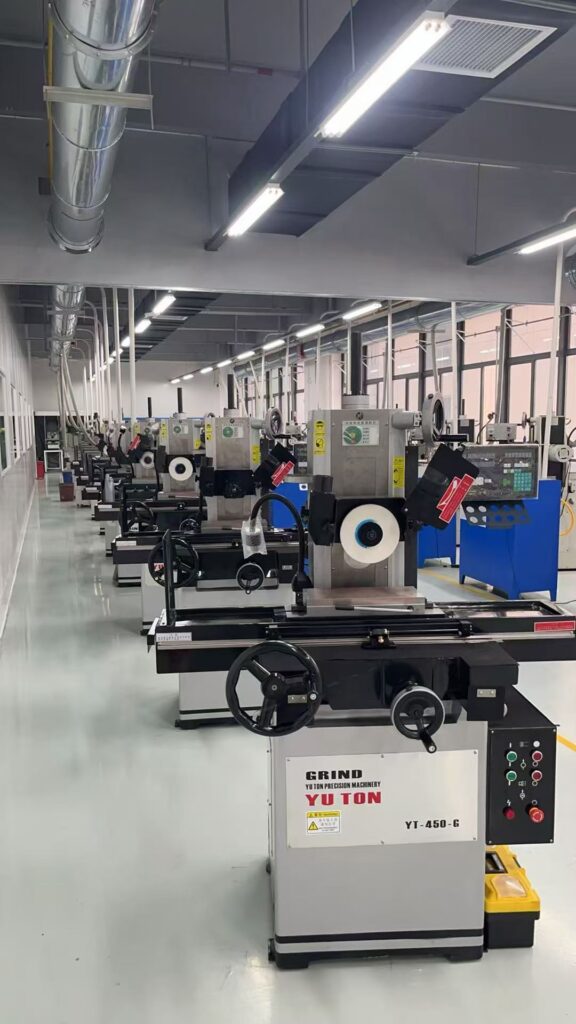
What a CNC Grinding Machine Manufacturer Actually Does
A real CNC grinding machine manufacturer is not just assembling parts.
They design, machine, assemble, and test the equipment in-house. That’s the key difference.
In practice, a proper manufacturer usually handles:
- Machine structure design and rigidity planning
- Precision casting and machining
- CNC system integration
- Final grinding accuracy testing
- Long-term service and spare parts support
This matters because grinding is not forgiving. Even small errors in structure or assembly will show up later as vibration, wear issues, or unstable accuracy.
That’s why working with a real precision grinding machine manufacturer is usually safer than going through a trading company.
Manufacturer vs Supplier vs Exporter (Why It Matters)
On paper, these terms sound similar. In reality, they are very different.
| Role | What They Really Do | Risk Level |
|---|---|---|
| CNC grinding machine manufacturer | Builds machines in their own factory | Low |
| CNC grinding machine supplier | Sells from multiple factories | Medium |
| CNC grinding machine exporter | Handles overseas shipping and paperwork | Depends |
Most issues buyers face—delayed delivery, unstable quality, unclear specs—usually come from mixing these roles up.
If your goal is long-term production stability, a CNC grinding machine factory in China with export experience is usually the safest option.
Why Buyers Get the Wrong Machine
It usually doesn’t start with a bad decision. It starts with incomplete information.
Here are the most common problems:
- Machine accuracy drifting after a few months
- Poor vibration control during grinding
- Lack of real engineering support
- Long downtime when something breaks
- “Automatic” machines that still need constant manual adjustment
In batch production, these problems don’t just slow things down—they quietly increase cost every single day.
What a Good CNC Grinding Machine Should Feel Like
Instead of listing specs, let’s talk about what actually matters on the shop floor.
1. Stability Comes First
A proper CNC surface grinder machine should feel solid during operation. No vibration spikes, no inconsistent feed behavior.
Most good machines use a heavy cast iron base and reinforced rib structure. The goal is simple: keep movement predictable.
2. Control Should Be Simple, Not Complicated
Modern systems don’t need to be complex.
A good automatic grinding machine should let operators:
- Switch between grinding stages easily
- Store repeat jobs
- Run cycles with minimal manual input
If operators need constant adjustment, automation isn’t really working.
3. Components Decide Lifespan
This is where real manufacturers stand out.
Common reliable configurations include:
- Spindle bearings from NSK or FAG class suppliers
- Hydraulic systems with stable pressure control
- Electrical systems from brands like Siemens or Schneider
These aren’t “premium extras”—they’re what keeps machines running consistently in real production environments.
4. Batch Production Changes Everything
A CNC grinding machine for batch production is not just about accuracy.
It’s about repeatability.
When production is stable:
- One operator can manage multiple machines
- Output becomes predictable
- Scrap rates drop significantly
- Cycle time becomes consistent
That’s where automation actually pays back.
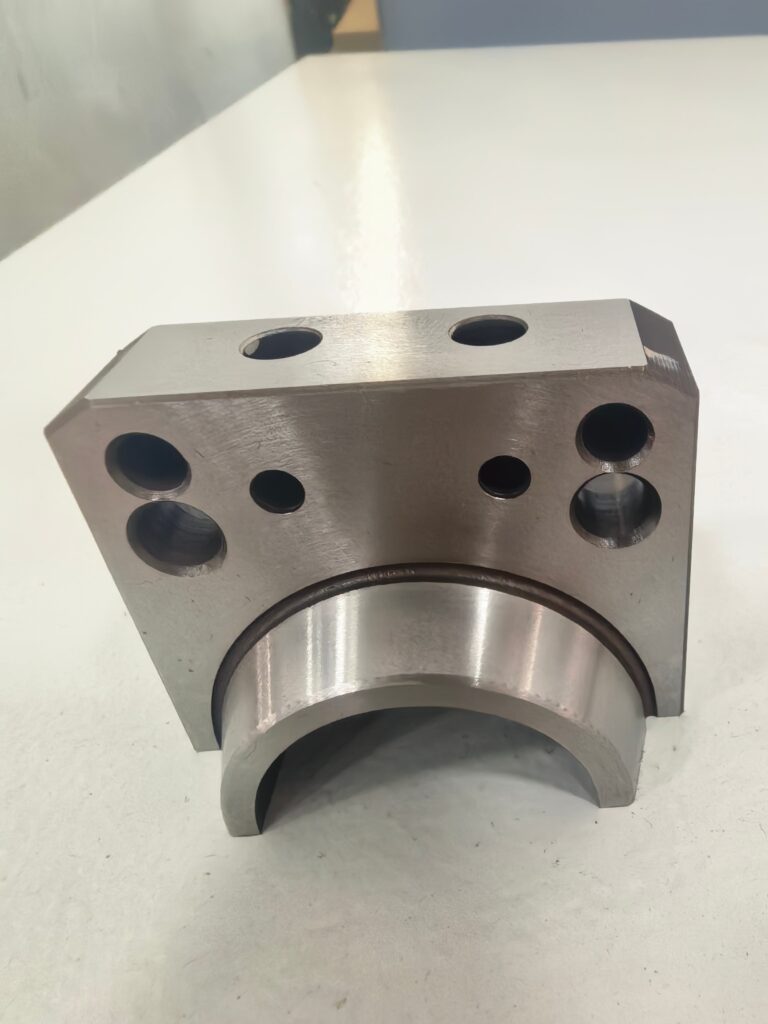
CNC Grinding Machine Applications in Real Industries
Mold Making
In mold shops, a CNC surface grinder for mold base machining is mainly used for flatness and parallelism.
Even small deviations can cause assembly issues later, so consistency matters more than speed.
Automotive Parts
A CNC grinding machine for automotive parts manufacturing is often used for shafts, gears, and precision components.
In real production lines, consistency across thousands of parts is more important than peak accuracy on a single sample.
Heavy Industrial Components
For larger parts, an industrial surface grinding machine for large components needs more rigidity and power.
You’re dealing with heavier loads, longer travel, and more thermal stability issues.
China vs Germany vs Japan (Realistic View)
This comparison is often misunderstood, so let’s keep it practical.
| Factor | China | Germany / Japan |
|---|---|---|
| Cost | Lower | Higher |
| Delivery time | Faster | Slower |
| Customization | Flexible | Limited |
| Ultra-precision (<0.001mm) | Select manufacturers only | Standard capability |
| Batch production value | Very strong | Strong but expensive |
For most production environments in the ±0.002–0.005 mm range, Chinese manufacturers offer a very strong balance between cost and performance.
For ultra-high-end R&D or metrology-level work, German and Japanese machines still lead.
How to Choose a CNC Grinding Machine Manufacturer in China (Simple Checklist)
Instead of overcomplicating things, here’s a practical way to check a supplier.
Step 1: Check if they are a real factory
Ask for a live factory video, not marketing footage.
Step 2: Ask for a grinding test
Real manufacturers can run sample parts and show actual results.
Step 3: Look at export history
If they have real overseas shipments, they can handle documentation properly.
Step 4: Confirm service terms
Especially response time and spare parts availability.
Step 5: Start small
One machine first, then scale after real production testing.
If you’re currently comparing suppliers or planning a new production line, you can send your requirements or drawings for a technical recommendation. We can help you evaluate the right CNC grinding machine configuration based on accuracy, material, and batch production needs.
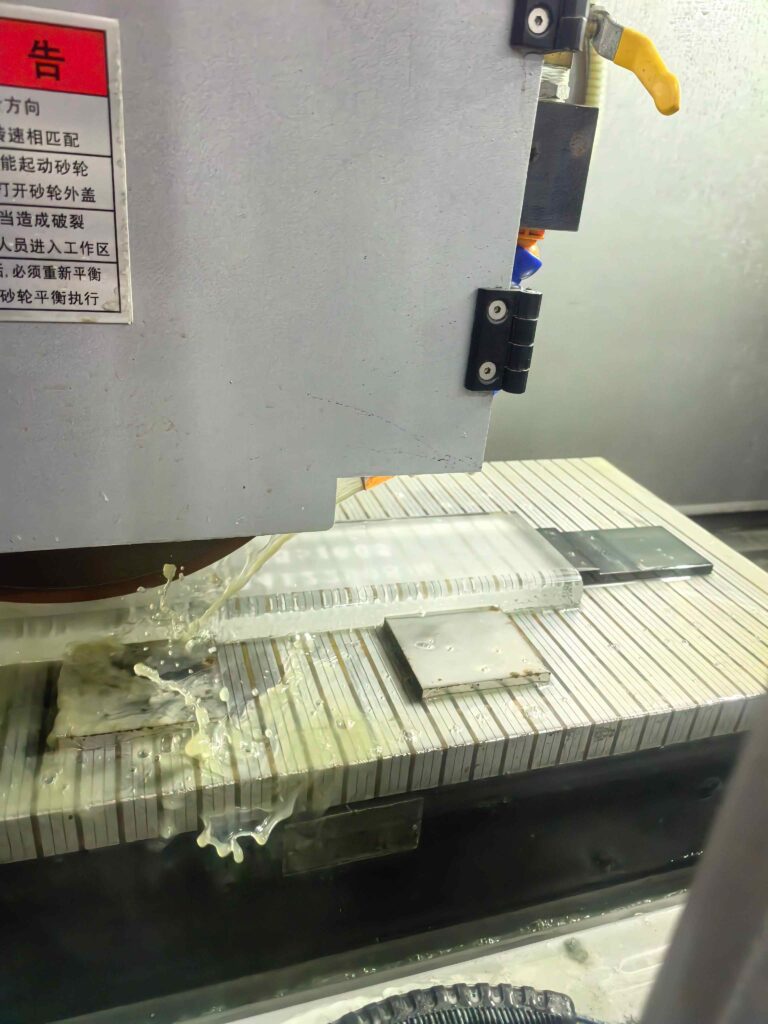
Why YUTON Works with Global Buyers
YUTON is a CNC grinding machine manufacturer in China focused on industrial production rather than showroom equipment.
In real applications, their machines are used in:
- Mold manufacturing
- Automotive component production
- Precision machining workshops
What matters more than numbers is consistency in production environments.
The machines are designed with:
- CNC + PLC control systems
- Stable grinding cycles for batch production
- Industrial-grade components for long service life
- Support for remote diagnostics when needed
Final Thoughts
Choosing a CNC grinding machine manufacturer is not really about comparing catalogs.
It’s about how stable your production line will be six months from now.
If you simplify the decision:
- Real factories reduce risk
- Export experience avoids delays
- Automation improves consistency
- And in most cases, China offers the best balance for production-scale machining
If you’re evaluating suppliers or planning a new production line, you can send your drawings or requirements for a quick technical recommendation. We can help you match the right CNC grinding machine based on accuracy, batch size, and application.
FAQ
A manufacturer builds machines in-house. A supplier usually resells equipment from different sources without full control over production.
Most industrial machines achieve around ±0.002 mm under stable conditions. Higher precision depends heavily on setup and environment.
If you care about long-term stability, a factory is almost always the better option.
Yes. In many batch production setups, one operator can manage multiple machines, reducing labor cost by 30–50%.
How do Chinese machines compare to German ones?
Chinese machines are more cost-effective for standard production, while German and Japanese machines lead in ultra-precision applications.