
Grinding operations often account for 15–25% of total machining costs in a typical machine shop. Even small improvements in wheel life, cycle time, or energy use can add up to significant savings over a year. This guide shares seven proven methods to reduce grinding cost without sacrificing quality or throughput.
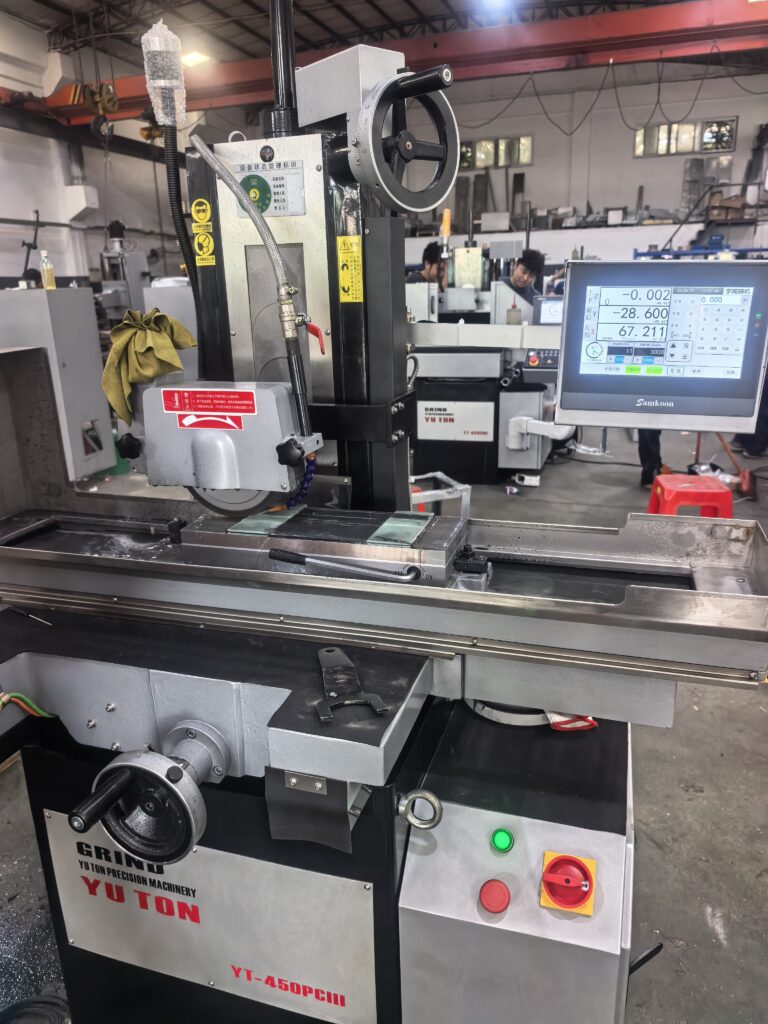
1. Optimize Wheel Selection and Dressing Practices
The grinding wheel is the single largest consumable cost in any grinding operation. Choosing the right wheel specification—abrasive type, grit size, bond hardness, and structure—for each application extends wheel life and reduces dressing frequency.
Many shops use a single wheel specification across multiple jobs for convenience. However, matching the wheel to the material and operation typically increases wheel life by 20–40%. For example, using a softer bond for hard materials reduces loading and extends usable life.
Proper dressing practices also matter. Dress only when necessary, use the minimum depth of dress, and consider single-point or rotary diamond dressers for consistency. According to manufacturing engineering best practices from SME (https://www.sme.org/), optimized dressing can reduce wheel consumption by up to 30%.
2. Implement Coolant Management and Recycling
Grinding coolant represents a hidden cost that many shops overlook. Poor coolant management leads to frequent fluid changes, increased disposal costs, and reduced wheel performance.
Start by monitoring coolant concentration and pH levels daily. Maintain the correct concentration (typically 5–10%) to prevent bacterial growth and preserve lubricity. Install a coolant recycling system to extend fluid life—these systems filter out fines and tramp oil, allowing coolant to last 2–3 times longer.
Proper coolant delivery also improves wheel life and surface finish. Ensure nozzles are positioned correctly and flow rates match wheel speed. For CNC surface grinders, programmable coolant controls can optimize delivery for each operation automatically.
3. Reduce Cycle Time with Process Optimization
Every second saved in a grinding cycle multiplies across hundreds or thousands of parts. Process optimization starts with analyzing your current cycle and identifying non-cutting time: rapid traverse delays, excessive spark-out passes, and unnecessary dwell periods.
Modern CNC grinders offer features that directly address these inefficiencies. Adaptive control systems adjust feed rates in real time based on cutting forces, reducing air time and preventing wheel overload. High-speed spindle options allow faster material removal without compromising surface integrity.
If your current equipment lacks these capabilities, upgrading to a CNC surface grinder (https://surfacegrindermfg.com/cnc-surface-grinder/) with adaptive control can cut cycle times by 15–25% on typical production parts.
4. Lower Energy Consumption
Grinding machines consume significant electricity, especially older models with inefficient motors and hydraulic systems. Energy costs may not seem like a major line item individually, but they accumulate quickly across multiple machines running 8–16 hours per day.
Switch to high-efficiency IE3 or IE4 motors where possible. Variable frequency drives (VFDs) on hydraulic pumps and coolant systems reduce energy use during idle periods. LED machine lighting and smart power management systems cut auxiliary energy by 20–30%.
Some modern automatic surface grinders (https://surfacegrindermfg.com/automatic-surface-grinder/) feature energy-saving modes that automatically reduce power consumption during non-cutting phases, delivering measurable savings on monthly utility bills.
5. Minimize Rework and Scrap
Every scrapped part represents wasted material, machine time, labor, and overhead. In precision grinding, rework is even more expensive because it often requires resetting the part, re-dressing the wheel, and repeating multiple operations.
The most effective way to reduce scrap is to prevent it. Implement in-process gauging on CNC grinders to measure parts during the grinding cycle and automatically compensate for wheel wear. This approach catches dimensional drift before it produces an out-of-tolerance part.
According to quality management guidelines from ISO (https://www.iso.org/), statistical process control (SPC) combined with in-process measurement reduces scrap rates by 30–50% in precision grinding operations. The investment in measurement systems pays for itself within months through reduced waste alone.
6. Extend Machine Life Through Preventive Maintenance
A well-maintained grinding machine holds accuracy longer, produces fewer defective parts, and avoids costly unplanned downtime. Preventive maintenance is one of the most cost-effective strategies to reduce grinding cost over the long term.
Follow a structured maintenance schedule:
- Daily: Check coolant levels, inspect wheel condition, clean machine ways
- Weekly: Inspect belt tension, check hydraulic fluid, lubricate guideways
- Monthly: Verify spindle runout, check ball screw backlash, inspect electrical connections
- Annually: Full machine calibration, replace hydraulic filters, inspect bearing preload
For detailed maintenance procedures, refer to your machine builder’s recommendations. Shops that follow disciplined preventive maintenance programs report 40–60% fewer unplanned breakdowns and significantly lower annual repair costs.
7. Consolidate Operations and Reduce Setup Time
Setup time is non-productive time. Every minute spent changing wheels, indicating parts, or adjusting machine settings is a minute the machine is not generating revenue. For shops running multiple small batches, setup time can consume 20–30% of available machine hours.
Reduce setup time by:
- Using quick-change wheel systems that allow swaps in under 5 minutes
- Implementing standardized work-holding fixtures with repeatable locating features
- Pre-setting tools and fixtures offline while the machine runs the previous job
- Using CNC program storage to recall saved settings instantly for repeat orders
Machines with PLC-controlled automation (https://surfacegrindermfg.com/) often feature faster setup workflows through automated wheel dressing cycles, stored machine parameters, and intuitive touch-screen interfaces that minimize manual adjustments.
Quick Reference: Cost Savings Potential
表格
| Method | Typical Annual Savings |
|---|---|
| Optimized wheel selection | 15–25% reduction in wheel costs |
| Coolant management | 20–30% reduction in coolant costs |
| Cycle time optimization | 15–25% increase in throughput |
| Energy efficiency | 10–20% reduction in energy costs |
| Scrap reduction | 30–50% fewer defective parts |
| Preventive maintenance | 40–60% fewer unplanned breakdowns |
| Setup time reduction | 20–30% more productive machine hours |
These savings compound. A shop that implements all seven methods can reduce total grinding cost by 20–35% within the first year, according to data shared at the American Manufacturing Technology Summit (https://www.amtonline.org/).
Final Thoughts
Reducing grinding cost does not require expensive new equipment or drastic process changes. Start with the methods that deliver the quickest returns—wheel optimization, coolant management, and scrap reduction—then build toward more involved improvements like CNC upgrades and automation.
Every method in this guide has been proven in real production environments. The key is consistent implementation and regular measurement to track your progress. Small, sustained improvements add up to major cost reductions over time.