
Finding a reliable precision grinder supplier is one of the most important decisions any machine shop or manufacturing company will make. The supplier you choose directly affects part quality, production uptime, and your total cost of ownership. This guide covers six key qualities to look for, essential questions to ask before placing an order, and common mistakes that cost buyers time and money.
Why the Right Precision Grinder Supplier Matters
A precision surface grinder is a significant capital investment. A single machine can last 15–20 years or more when built with quality components. The supplier behind that machine determines whether you receive consistent accuracy, responsive technical support, and reliable spare parts availability throughout its entire service life.
According to ISO quality management standards (https://www.iso.org/), working with certified suppliers reduces defect rates and improves traceability across every procurement stage. A supplier who holds ISO 9001 certification, for example, follows documented processes for design, production, inspection, and after-sales service.
On the other hand, a poor supplier choice leads to delayed shipments, inconsistent machine quality, and limited support when problems arise. The evaluation process deserves serious attention.
6 Qualities to Look for in a Precision Grinder Supplier
1. Manufacturing Capability and Scale
The first thing to evaluate is whether the supplier actually manufactures the machines or simply resells them. A real manufacturer controls quality from raw materials to final assembly. They can customize configurations, offer shorter lead times, and provide direct technical support.
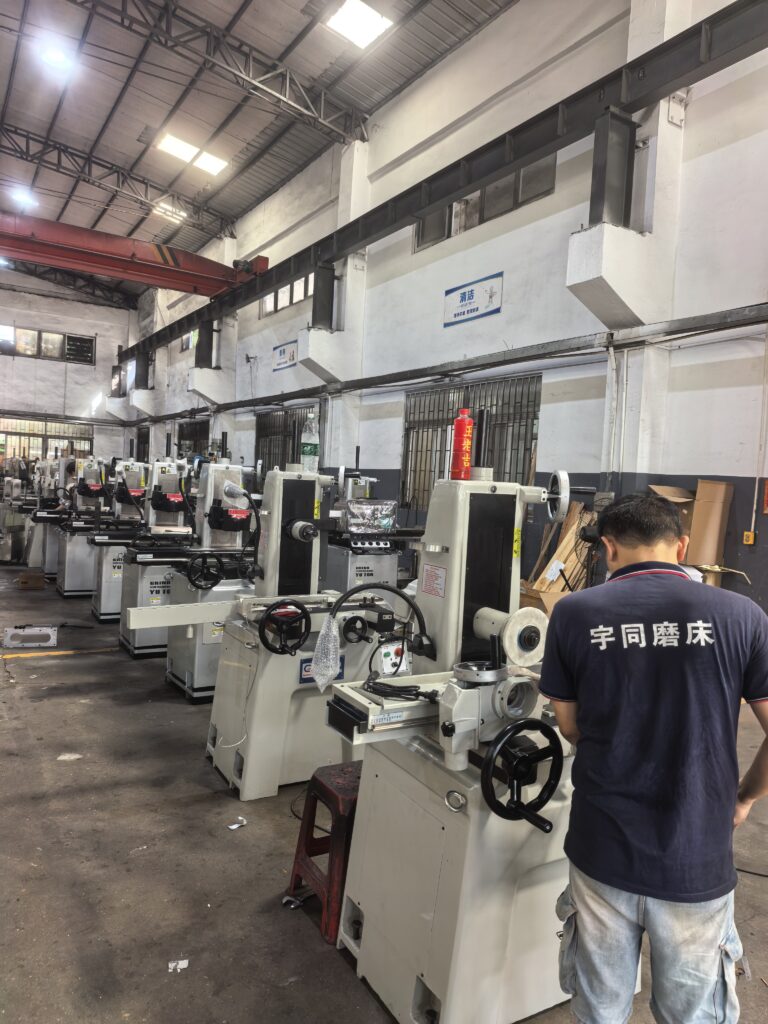
For example, YUTON operates 15,000㎡ of factory space (https://surfacegrindermfg.com/) with 150 employees and seven production buildings, producing over 3,100 units per year. This scale ensures stable supply and consistent build quality.
2. Quality Certifications
Look for suppliers who hold internationally recognized certifications. ISO 9001 covers quality management systems, while CE marking confirms compliance with European safety directives. These certifications are not just paperwork—they require regular third-party audits and documented quality processes.
3. Component Quality
The precision of a surface grinder depends heavily on its core components. Top-tier suppliers source critical parts—such as linear guideways, ball screws, spindle bearings, and control systems—from established brands in Japan, Taiwan, or the United States. This approach delivers accuracy and longevity that lower-cost alternatives cannot match.
YUTON uses Japanese, Taiwanese, and American core components (https://surfacegrindermfg.com/cnc-surface-grinder/) across their CNC and automatic surface grinder lines, ensuring consistent performance in demanding applications.
4. Product Range and Flexibility
A strong supplier offers multiple machine types to match different production needs: manual grinders for tool rooms, automatic grinders for medium-volume work, CNC grinders for high-precision production, and PLC-controlled models that combine flexibility with automation. A limited product line often means the supplier cannot grow with your evolving requirements.
5. Technical Support and After-Sales Service
Even the best machines need support. Before committing, ask about installation assistance, operator training, spare parts availability, and remote troubleshooting options. Suppliers who invest in after-sales infrastructure demonstrate long-term commitment to their customers.
According to the Society of Manufacturing Engineers (https://www.sme.org/), manufacturers who provide comprehensive technical support reduce their customers’ unplanned downtime by up to 25%.
6. International Experience and References
If you are importing from overseas, verify that the supplier has proven export experience. This includes proper export packaging, familiarity with international shipping terms (Incoterms), CE documentation for European markets, and a track record of successful installations in your region. Ask for references from existing customers in your country or neighboring markets.
5 Questions to Ask Before You Commit
Before placing an order, ask every potential precision grinder supplier these five questions:
- Are you the manufacturer or a trading company? Direct manufacturers offer better pricing, customization, and accountability.
- What certifications do you hold? Request copies of ISO 9001, CE, or other relevant certificates.
- Which brands of core components do you use? Specific answers (THK, NSK, Fanuc, Siemens) indicate quality awareness.
- What does your after-sales support include? Ask about installation guidance, training, warranty terms, and spare parts lead times.
- Can you provide customer references? A reliable supplier will gladly connect you with existing customers.
These questions quickly separate serious manufacturers from less qualified options.
Common Mistakes Buyers Make
Choosing on Price Alone
The cheapest option often costs more in the long run. Low-priced grinders may use inferior components, lack proper quality control, or come with minimal support. Calculate total cost of ownership—including maintenance, downtime, and spare parts—before comparing quotes.
Skipping Factory Verification
In the digital age, it is tempting to choose a supplier based solely on their website. Always request a factory tour (in person or virtual), review production photos, and verify certifications independently. YUTON welcomes factory visits (https://surfacegrindermfg.com/automatic-surface-grinder/) at their Dongguan facility and provides detailed production documentation for remote evaluation.
Ignoring Lead Time and Communication
A supplier who takes weeks to respond to emails or provides vague delivery dates will likely cause problems after the order is placed. Responsive communication before the sale usually indicates strong project management throughout the entire process.
How YUTON Stands Out as a Precision Grinder Supplier
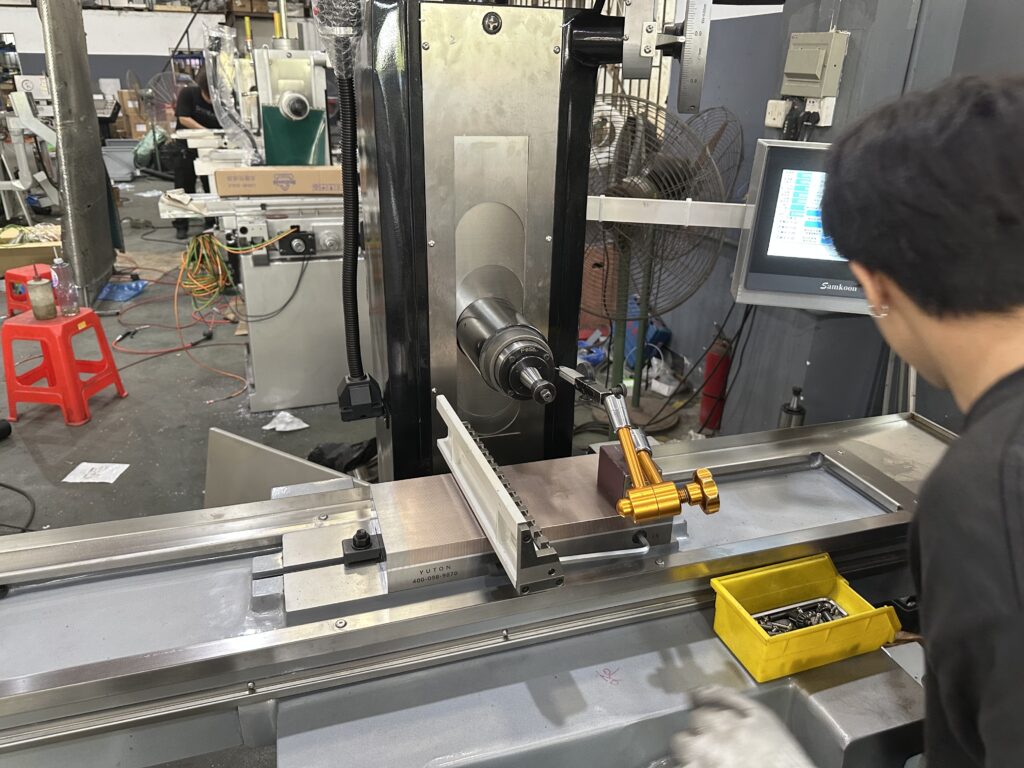
YUTON (广东宇同精密机械有限公司) has built a strong reputation as a precision grinder supplier through consistent quality and customer focus. Here is what sets them apart:
- Scale and capacity: 150 employees, 15,000㎡ factory, 7 production buildings, 3,100+ units sold per year—ranking among the top three surface grinder manufacturers in China.
- Certified quality: ISO 9001 and CE certified with documented quality processes at every production stage.
- Premium components: Core parts sourced from leading Japanese, Taiwanese, and American brands.
- Full product range: Manual, automatic, CNC, and PLC-controlled surface grinders plus milling machines.
- Global reach: Export experience to USA, Germany, Poland, Russia, Turkey, Southeast Asia, Mexico, and more.
- Responsive support: Dedicated after-sales team providing installation guidance, operator training, and timely spare parts delivery.
For buyers looking for a hydraulic surface grinder (https://surfacegrindermfg.com/hydraulic-surface-grinder/) or any other type of precision grinding machine, YUTON combines manufacturing strength with the flexibility to meet custom requirements.
Final Thoughts
Choosing the right precision grinder supplier requires careful evaluation beyond just price. Focus on manufacturing capability, certifications, component quality, product range, after-sales support, and international experience. Ask the right questions, verify claims independently, and avoid the common traps that lead to costly mistakes.
A reliable precision grinder supplier becomes a long-term partner who supports your growth, maintains your equipment, and helps you stay competitive in an increasingly demanding market. Take the time to evaluate thoroughly—the right choice pays dividends for years to come.