
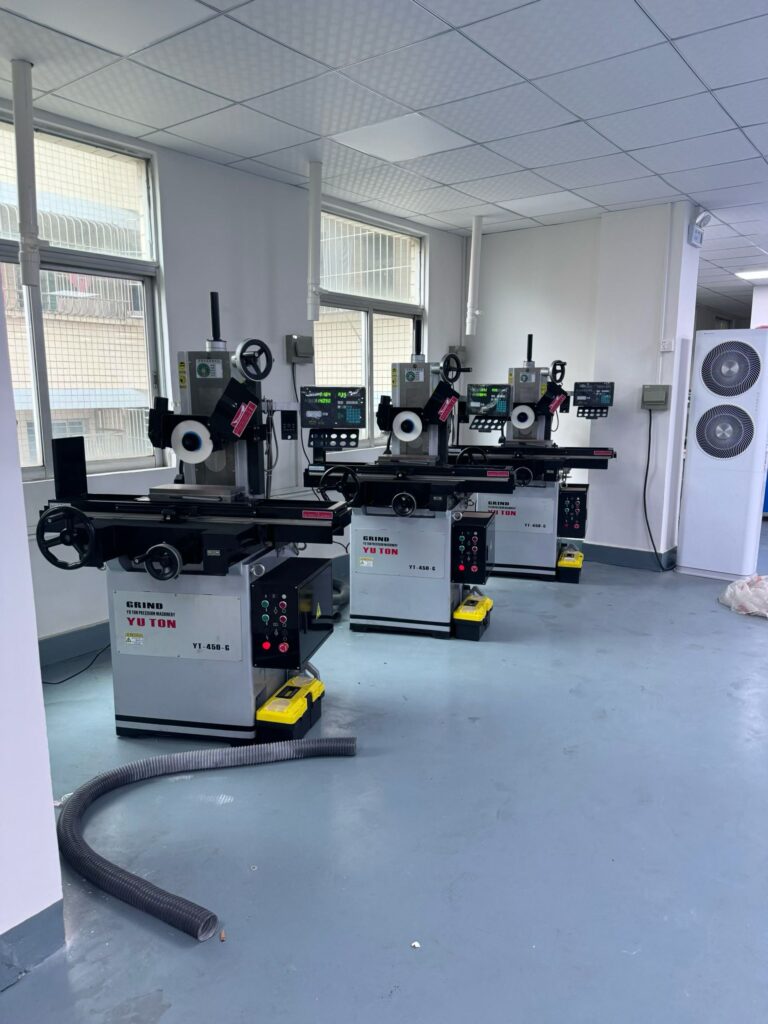
The precision grinder Southeast Asia market is entering a period of rapid expansion. As global manufacturers relocate production lines to the region and local industries upgrade their capabilities, demand for high-quality grinding machines has never been higher. Whether you are a factory owner in Vietnam, a distributor in Thailand, or a procurement manager in Malaysia, this guide gives you a clear picture of what is happening in the market and how to make smart purchasing decisions.
Why the Precision Grinder Southeast Asia Market Is Booming
Several powerful forces are driving growth in the grinding machine sector across Southeast Asia.
First, the “China+1” strategy has pushed many multinational companies to build or expand factories in Vietnam, Thailand, Indonesia, and Malaysia. These new facilities need complete sets of machining equipment, including surface grinders for mold making, tool room work, and production grinding. According to industry data, the CNC machining center market in Southeast Asia exceeded $180 billion in 2025, with annual growth above 12%.
Second, the Regional Comprehensive Economic Partnership (RCEP) has reduced tariffs on industrial equipment across member nations, making it easier and more cost-effective to import grinding machines. This trade agreement covers 15 countries and has significantly lowered barriers for cross-border machinery purchases.
Third, the automotive and electronics boom in the region creates enormous demand for precision grinding. Vietnam’s electronics manufacturing sector, for instance, has attracted massive investment from Samsung, LG, and Apple suppliers. Thailand remains the “Detroit of Asia,” producing over 2 million vehicles annually. Both industries require large volumes of precision-ground components.
In addition, governments across the region are actively promoting Industry 4.0 upgrades. Malaysia’s Industry4WRD policy, Thailand’s 4.0 initiative, and Vietnam’s smart manufacturing roadmap all encourage factories to adopt advanced machining technologies, including CNC grinding machines with automated features.
Key Markets: Vietnam, Thailand, Malaysia, Indonesia, and Beyond
Each Southeast Asian country has its own strengths and demand patterns. Let us look at the top markets one by one.
Vietnam: The Fastest-Growing Manufacturing Hub
Vietnam has become one of the world’s hottest manufacturing destinations. Electronics, textiles, and automotive parts factories are springing up across the northern industrial zones around Hanoi and the southern clusters near Ho Chi Minh City.
The demand for precision grinding in Vietnam comes mainly from:
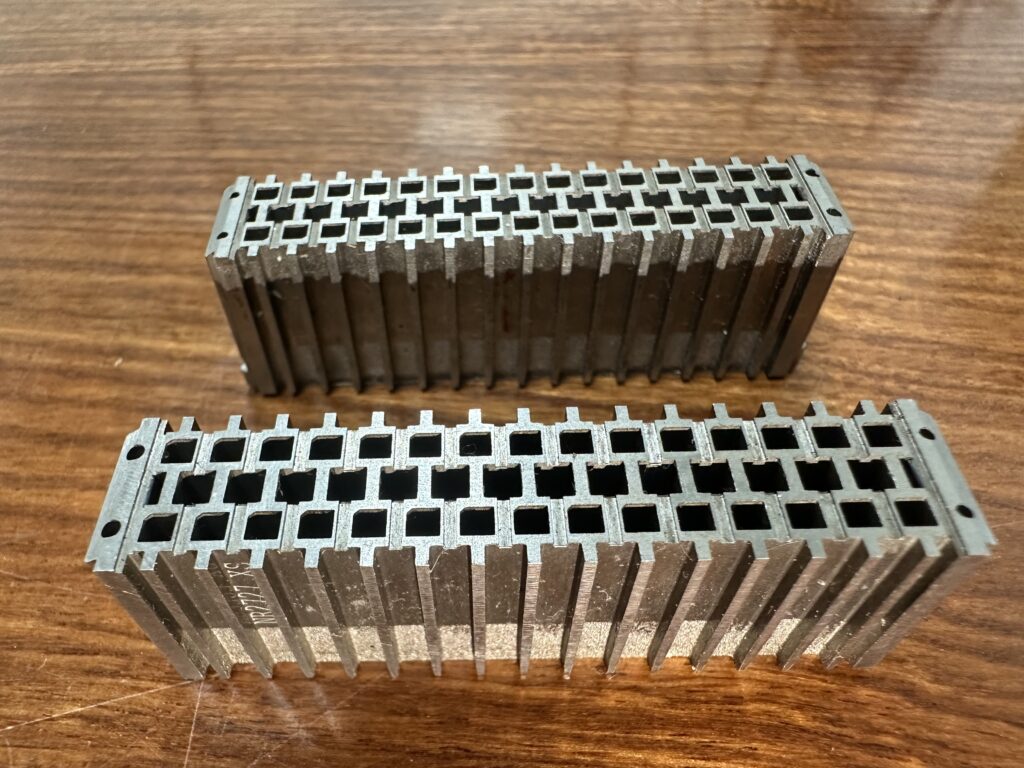
- Electronics mold making — connectors, housings, and heat sinks require flat, parallel surfaces with tight tolerances
- Automotive parts — fuel injection components, transmission shafts, and brake systems
- General machining — tool rooms and maintenance shops at thousands of small and medium factories
In fact, Vietnam’s machine tool imports grew by over 25% in 2025 compared to the previous year, with grinding machines accounting for a significant share.
Thailand: The Automotive Powerhouse
Thailand’s automotive industry is the backbone of its manufacturing sector. Major OEMs like Toyota, Honda, Isuzu, and Ford operate large production facilities, supported by hundreds of tier-one and tier-two suppliers.
For these companies, surface grinders are essential for:
- Engine block and cylinder head surface preparation
- Transmission component finishing
- Die and mold maintenance for body panels
Moreover, Thailand is rapidly developing its EV (electric vehicle) supply chain. The Thai government has set ambitious EV production targets, which will drive additional demand for precision grinding of motor shafts, battery tray components, and power electronics housings.
Malaysia: High-Value Manufacturing Leader
Malaysia focuses on higher-value sectors such as aerospace, medical devices, and semiconductor manufacturing. The country’s strong infrastructure and skilled workforce make it an ideal base for precision engineering.
Key grinding applications in Malaysia include:
- Aerospace components — turbine blade roots, engine mounting surfaces, and structural fittings
- Medical implants — orthopedic devices and surgical instrument parts requiring mirror finishes
- Semiconductor equipment — wafer handling components and precision fixtures
Meanwhile, Malaysia’s METALTECH exhibition (held annually in Kuala Lumpur) is one of the region’s largest trade shows for machine tools, regularly featuring grinding machine demonstrations and attracting buyers from across ASEAN.
Indonesia: The Sleeping Giant
Indonesia, as the largest economy in Southeast Asia, is gradually building up its manufacturing base. The government’s “Making Indonesia 4.0” initiative targets five key sectors: food and beverage, textiles, automotive, electronics, and chemicals.
Currently, Indonesia’s demand for precision grinders is concentrated in:
- Automotive aftermarket — replacement parts and component refurbishment
- Oil and gas equipment — valve bodies, pump shafts, and sealing surfaces
- General-purpose tool rooms at state-owned enterprises
However, as foreign investment flows into Indonesia’s industrial parks, especially in Java and Sumatra, the demand for CNC and hydraulic surface grinders is expected to grow significantly.
Philippines and Myanmar: Emerging Opportunities
These two markets are at earlier stages of industrial development, but they should not be overlooked. The Philippines has a growing electronics sector, while Myanmar offers low-cost manufacturing potential as its infrastructure improves. Both countries increasingly import basic manual and semi-automatic surface grinders.
What Types of Surface Grinders Are in Highest Demand?
Based on trade show feedback and import data, the Southeast Asian market shows clear preferences for certain machine types.
Manual Surface Grinders
Small job shops and tool rooms across the region still rely heavily on manual grinders for maintenance work and small-batch production. These machines are valued for their simplicity, low cost, and ease of operation. In countries like Vietnam and Indonesia, where many workshops have limited automation experience, manual grinders remain a practical starting point.
Hydraulic Surface Grinders
For medium to large factories, hydraulic surface grinders offer the ideal balance of performance and cost. They provide smooth table movement, consistent surface finish, and reliable operation under heavy-duty conditions. In Thailand’s automotive supply chain, hydraulic grinders are particularly popular for production grinding of engine and transmission components.
CNC Surface Grinders
As factories move toward higher precision and automation, CNC surface grinders are gaining ground rapidly. They are especially popular in:
- Malaysia’s aerospace and medical device sectors
- Vietnam’s electronics mold industry
- Thailand’s emerging EV supply chain
The CNC segment is the fastest-growing category in the region, with double-digit annual growth projected through 2028.
PLC-Controlled Semi-Automatic Grinders
An interesting trend in Southeast Asia is the strong demand for PLC-controlled semi-automatic grinders. These machines bridge the gap between basic hydraulic models and full CNC systems. They offer programmable grinding cycles at a lower price point, making them attractive to factories upgrading from manual operations.
YUTON’s PLC-controlled surface grinders have been particularly well received in this segment, combining Japanese and Taiwanese core components with user-friendly controls that reduce the learning curve for operators.
5 Critical Factors When Buying a Precision Grinder in Southeast Asia
If you are sourcing a surface grinder for a factory in Southeast Asia, keep these five factors in mind.
1. Climate Adaptation
Southeast Asia’s hot and humid climate poses real challenges for grinding machines. High ambient temperatures and humidity levels can cause:
- Corrosion on guideways and exposed metal surfaces
- Thermal expansion affecting machining accuracy
- Electrical component failures in control cabinets
Therefore, when ordering a grinder for this region, make sure the supplier provides:
- Anti-corrosion coatings on all critical surfaces
- Enhanced electrical cabinet cooling (air conditioning or heat exchangers)
- Sealed spindle bearings to prevent moisture ingress
- Automatic lubrication systems with anti-rust oil
2. Voltage and Power Standards
Electrical standards vary across the region. Vietnam uses 380V/50Hz for three-phase power, Thailand uses 380V/50Hz, Malaysia uses 415V/50Hz, and Indonesia uses 380V/50Hz. In the Philippines, the standard is 220V/60Hz.
Before placing an order, confirm that the manufacturer will configure the machine’s electrical system — including transformers, servo drives, and spindle motors — to match your local power supply. Otherwise, the machine may not operate correctly or could suffer premature component failure.
3. After-Sales Service Availability
One of the biggest concerns for Southeast Asian buyers is after-sales support. A grinding machine that sits idle because of a breakdown or a missing spare part can cost thousands of dollars per day in lost production.
For this reason, it is important to choose a supplier that has:
- A local service team or authorized technician in your country
- A spare parts warehouse within the region
- Remote diagnostics capability (increasingly common with IoT-enabled machines)
4. Training and Technical Support
Many factories in Southeast Asia, especially in Vietnam and Indonesia, are still building up their grinding expertise. The availability of operator training and application support can make a significant difference in how quickly the machine delivers value.
Look for suppliers that offer on-site installation, commissioning, and operator training as part of the purchase package. Some manufacturers, including YUTON, provide video tutorials and remote technical support to help customers solve problems quickly.
5. Compliance and Certification
Different countries in the region have different import and safety requirements:
- Thailand requires TISI certification for certain industrial equipment
- Indonesia mandates SNI standards for imported machinery
- Malaysia follows international standards but may require SIRIM certification for specific categories
Make sure your supplier can provide the necessary documentation and certifications for your destination country. ISO 9001 certification provides a baseline quality assurance that is widely recognized across the region.
Why Chinese Surface Grinder Manufacturers Are Winning in Southeast Asia
Chinese grinding machine manufacturers have been gaining market share across Southeast Asia for good reasons.
Competitive pricing. Chinese machines typically cost 30-50% less than equivalent Japanese or European models, while delivering comparable performance for most standard applications. This price advantage is particularly important for small and medium enterprises in developing markets.
Improved quality. Leading Chinese manufacturers now use imported core components — Japanese servo systems, Taiwanese ball screws, American abrasives — to ensure reliability and precision. YUTON integrates Japanese and Taiwanese key components into every machine, maintaining high standards while keeping costs reasonable.
Shorter delivery times. Geographic proximity means Chinese manufacturers can deliver to most Southeast Asian ports within 15-25 days, compared to 6-12 weeks from Europe or even 4-8 weeks from Japan and Taiwan.
Local service investment. Top Chinese manufacturers are building service networks across the region. YUTON has established partnerships with local distributors and service agents in Vietnam, Thailand, and Indonesia to ensure rapid response to customer needs.
Customization capability. Chinese factories are often more willing to customize machines for specific requirements — whether it is a larger table size, special voltage configuration, or climate-adapted features for tropical operation.
In short, Chinese manufacturers offer a combination of value, quality, and responsiveness that matches the needs of Southeast Asian buyers very well.
Practical Sourcing Tips for Southeast Asian Buyers
Here are some actionable tips if you are planning to purchase a surface grinder for a factory in this region.
- Define your application clearly. Know what materials you will grind, what tolerances you need, and what production volume you expect. This information helps the supplier recommend the right machine type and specifications.
- Request reference customers nearby. Ask the supplier if they have existing customers in your country or neighboring markets. Visiting a reference site lets you see the machine running and talk to the operators directly.
- Compare total cost of ownership, not just price. Factor in shipping, import duties, installation, training, spare parts, and service contracts. A cheaper machine with poor support may cost more in the long run.
- Negotiate a spare parts package. When placing your order, include a recommended spare parts list (wheel dressers, coolant filters, way wipers, electrical fuses, etc.) so you have critical items on hand from day one.
- Plan for climate protection. Budget for additional cooling, dehumidification, or protective enclosures if your factory does not have air conditioning. These small investments significantly extend machine life in tropical environments.
- Consider future upgrades. If your factory may expand or add CNC capabilities later, choose a supplier whose machines can be upgraded or integrated into a larger production line.
FAQ
Q1: What is the average delivery time for a surface grinder to Southeast Asia?
For standard models from Chinese manufacturers, delivery typically takes 15-25 days by sea to major ports like Ho Chi Minh City, Bangkok, or Port Klang. Custom or large machines may take 30-45 days.
Q2: Do I need a special import license to bring a grinding machine into Vietnam or Thailand?
In most cases, no special license is needed for standard industrial grinding machines. However, you should verify with your local customs broker whether any specific certifications (such as TISI for Thailand or SNI for Indonesia) are required.
Q3: Can a Chinese surface grinder match the performance of Japanese or European models?
For standard surface grinding applications, leading Chinese manufacturers now deliver performance that is comparable to Japanese and European machines, especially when using imported core components. The gap has narrowed significantly in recent years.
Q4: What voltage should I specify for a grinder operating in Malaysia?
Malaysia uses 415V/50Hz for three-phase industrial power. Make sure the manufacturer configures the transformer and motor ratings accordingly.
Q5: How often should I perform maintenance on a surface grinder in a tropical climate?
In hot and humid conditions, increase the frequency of routine maintenance. Check coolant concentration weekly, clean electrical cabinet filters bi-weekly, and inspect guideway lubrication daily. Anti-corrosion measures should be applied to all exposed metal surfaces at least once per month.