
Understanding the surface grinder cost landscape is essential before making any purchasing decision. Whether you operate a small job shop or a large-scale production facility, the total cost of ownership (TCO) varies dramatically based on type, size, precision class, and automation features. In fact, initial purchase prices range from $5,000 for basic manual models to over $150,000 for high-end CNC systems—but the real expense lies in labor, scrap rates, and long-term reliability.
This guide breaks down real-world cost ranges across all major categories, explains the key factors driving price differences, and provides practical strategies to maximize your ROI in 2026.
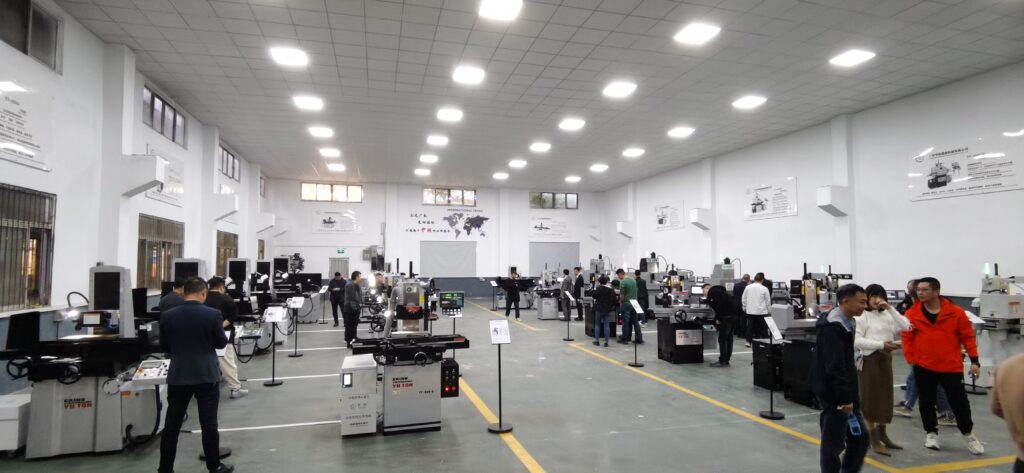
Surface Grinder Cost by Machine Type
The type of surface grinder you choose has the biggest impact on your budget. Below is a 2026 cost overview reflecting current market data.
Manual Surface Grinder
Initial Cost: $5,000 – $25,000
Manual grinders remain the entry-level choice. While the upfront price is low, factor in higher labor hours per part. Pricing depends on table size (e.g., 6×12 vs. 10×24), spindle quality, and brand. These are best suited for tool rooms and low-volume precision work where operator skill compensates for machine limitations.
Automatic Surface Grinder
Initial Cost: $20,000 – $60,000
These machines add hydraulic/pneumatic auto-feed and automatic dressing cycles. They bridge the gap between manual operation and full CNC, reducing operator dependency. For many job shops, this segment offers the best balance between initial investment and productivity gains.
CNC Surface Grinder
Initial Cost: $40,000 – $150,000+
CNC grinders represent the premium segment. The wide range reflects differences in axis count, control systems (e.g., Fanuc, Siemens), and probing technology. While the initial outlay is significant, the reduction in scrap and increase in throughput often justify the expense for high-volume production.
(Visual Suggestion: Insert comparison table here showing Initial Cost vs. Est. Monthly Labor Cost for each type)
Key Factors Driving Surface Grinder Cost
Several variables determine where a machine falls within its price range. Understanding these helps you evaluate quotes beyond the sticker price.
Spindle & Bearing Quality
The spindle is the heart of the grinder. Machines using premium bearings (NSK, SKF, Timken) cost more initially but deliver superior accuracy and longevity. Generic bearings may lower the purchase price but lead to premature failure and costly downtime.
Automation & Labor Impact
Automation is the single largest cost variable. While a manual machine is cheap to buy, it is expensive to run due to high labor costs. Modern CNC surface grinders, such as the YUTON YT-450CNC, feature “Human-Machine Integration” that allows one operator to manage 3–4 machines simultaneously. When calculating costs, a higher-priced automated cell often results in a lower monthly operating cost than a “cheap” manual alternative.
Precision Class & Rigidity
Standard machines hold tolerances around ±0.005mm, while high-precision models achieve ±0.001mm. Tighter tolerances require heavier castings (like the T-shaped base on the YUTON YT-7200) and stricter assembly processes, adding to the cost but ensuring thermal stability and vibration damping.
Typical Budget Ranges by Application
Align your budget with your operational needs to avoid over-spending or under-buying.
- Tool Rooms & Maintenance ($8k–$15k): Focus on a rigid manual or basic automatic grinder. Prioritize build quality over fancy electronics.
- Mixed Production Job Shops ($25k–$50k): An automatic or PLC-controlled grinder offers the best ROI. Look for automatic dressing and programmable cycles to handle batch variations efficiently.
- High-Volume Precision ($60k–$120k+): Invest in a CNC grinder. The consistency and speed of CNC technology minimize human error. Consider YUTON’s gantry-type grinders for heavy-duty applications requiring sustained precision over large workpieces.
New vs. Used: Calculating True Cost
A used grinder might cost 30%–60% less upfront, but hidden costs accumulate rapidly. Worn guideways, outdated controls, and a lack of safety certifications (CE/UL) can erase initial savings.
The Case for New: Manufacturers like YUTON offer competitive pricing direct from their 15,000㎡ Dongguan facility. Buying new ensures you receive:
- Full Warranty: Coverage against manufacturing defects.
- Modern Safety: Compliance with 2026 international standards.
- Energy Efficiency: Newer motors and drives consume less power.
- Factory Support: Access to 150+ skilled technicians and spare parts.
How to Lower Your Total Investment
Beyond negotiating the purchase price, these strategies optimize your expenditure:
- Leverage Government Incentives: Many regions offer 10%–20% subsidies for automated equipment purchases in 2026. Check with local industrial authorities.
- Evaluate TCO, Not Just Price: A machine with a higher purchase price but lower energy consumption and longer wheel life is cheaper over a 10-year lifespan.
- Buy Direct: Eliminate middleman markups. YUTON utilizes a direct-to-market model, ensuring competitive pricing for their ISO 9001 and CE-certified machines.
- Standardize Configurations: Custom specs add engineering costs. If a standard YUTON YT-series model meets 90% of your needs, the savings are substantial.
Common Buyer Mistakes
Avoid these pitfalls when assessing surface grinder costs:
- Focusing Solely on CapEx: Ignoring OpEx (labor, power, maintenance) leads to poor long-term decisions.
- Ignoring After-Sales Support: A broken machine with no spare parts is worthless, regardless of how cheap it was.
- Over-Specifying: Don’t buy a $100k CNC if a $30k automatic grinder suffices. Match the machine to the majority of your workload.
Conclusion
The surface grinder cost you incur in 2026 sets the trajectory for your shop’s profitability for the next decade. By shifting focus from the initial purchase price to Total Cost of Ownership—factoring in labor savings, precision, and reliability—you make a strategic investment.
YUTON provides a comprehensive lineup of surface grinders, from compact manuals to advanced CNC systems, designed to optimize your cost structure. Backed by Japanese/Taiwanese/US core components and rigorous 48-hour pre-delivery testing, YUTON delivers the precision and durability modern machine shops demand. With over 3,100 units sold in 2025 across 50+ countries, YUTON proves that premium quality and competitive pricing are not mutually exclusive.
FAQ
What is the average surface grinder cost in 2026?
Manual grinders average $5k–$25k; automatics $20k–$60k; and CNC grinders $40k–$150k+. The final cost heavily depends on table size and automation level.
Why is there a big cost difference between manual and CNC grinders?
CNC grinders incorporate expensive servo motors, ball screws, linear scales, and advanced controllers. More importantly, the “hidden cost” of a manual grinder is the 3–4 operators required, whereas a CNC allows one operator to oversee multiple machines.
Are Chinese surface grinders reliable despite the lower cost?
Yes, established manufacturers like YUTON have closed the quality gap. By utilizing global components (NSK bearings, etc.) and strict QC (ISO 9001), they offer reliability comparable to Japanese brands at a lower price point.
Should I buy new or used?
For most businesses, new offers better value. You gain a warranty, modern safety features, and predictable maintenance costs. Used machines often carry hidden refurbishment expenses that negate the initial savings.
How can I get the best surface grinder price?
Purchase directly from the manufacturer (like YUTON), inquire about regional government subsidies for automation, and opt for standard configurations to avoid custom engineering fees.