
A 3-axis automatic surface grinder is a CNC-controlled precision grinding machine that coordinates X, Y, and Z axis movements to deliver stable and repeatable surface finishing in batch production environments, typically achieving repeatability within ±2–3 μm depending on machine configuration.
In modern manufacturing, maintaining consistent surface quality over long production runs is a major challenge.
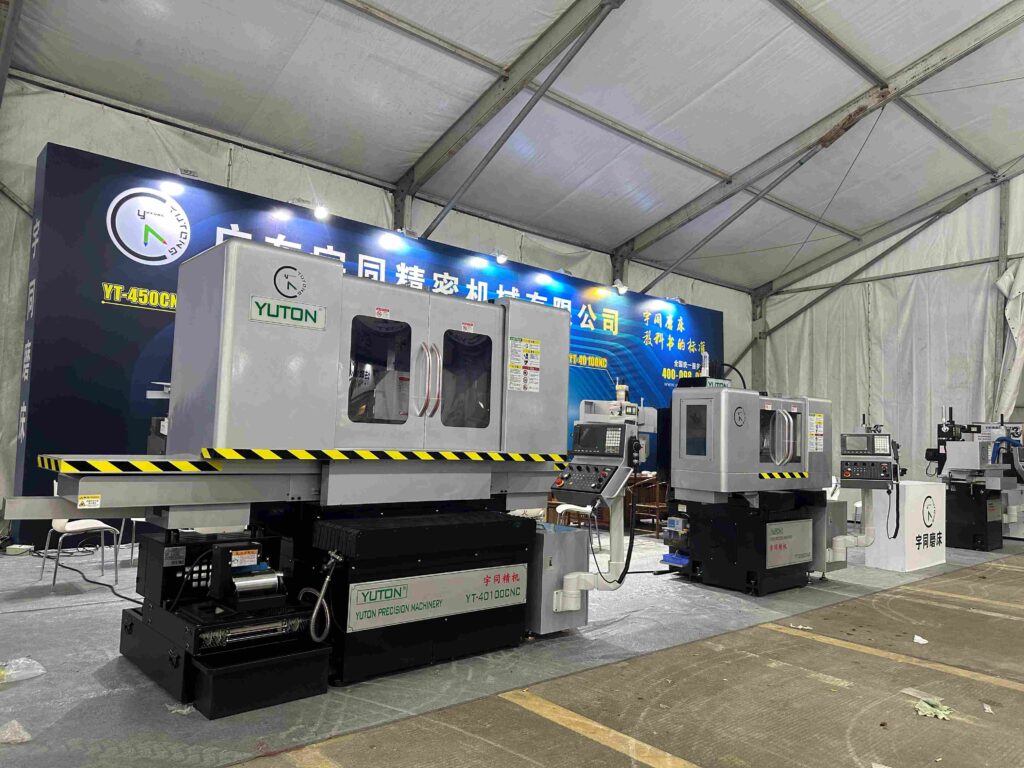
X Y Z Axis Working Principle of 3-Axis Automatic Surface Grinder
The performance of a 3-axis automatic surface grinder depends on how the three axes work together during the grinding cycle:
X-axis (Longitudinal Feed)
Controls the table movement back and forth.
Typical travel accuracy: ±2–3 μm.
Y-axis (Cross Feed)
Adjusts grinding wheel positioning across the workpiece width.
Ensures uniform material removal across the surface.
Z-axis (Vertical Down Feed)
Controls grinding depth with step-feed precision.
Modern systems can achieve 0.001 mm step adjustment.
Axis Coordination
During operation:
- X-axis provides continuous motion
- Y-axis ensures lateral coverage
- Z-axis controls incremental cutting depth
This synchronized movement is what allows a CNC controlled surface grinding machine for factory use to maintain stable finishing quality even in long production cycles.
Hydraulic vs NC Surface Grinder Comparison in Batch Production (With Data)
Different grinding systems show clear performance differences in real production environments.
In many workshops, hydraulic surface grinders are still widely used in general machining workshops because they offer strong mechanical stability and simple operation. However, they also introduce higher variation in long production cycles.
Typical performance includes:
- Positioning variation reaches ±10–20 μm
- Thermal drift increases to 5–15 μm per hour under continuous operation
- Operators must manually adjust settings
- Automation level remains low
👉 This makes hydraulic systems more suitable for low-volume machining.
For manufacturers looking to upgrade from hydraulic systems, you can view our [NC Surface Grinder Solutions] designed for high-precision batch production and stable machining performance.
In contrast, NC surface grinders introduce programmable control introduce programmable control that significantly improves repeatability.
Typical performance includes:
- Repeatability improves to ±2–5 μm
- Thermal drift reduces to around 2–5 μm per hour
- Digital control enhances positioning stability
- Systems support batch production
Therefore, many factories upgrade from hydraulic to NC systems when consistency becomes critical.
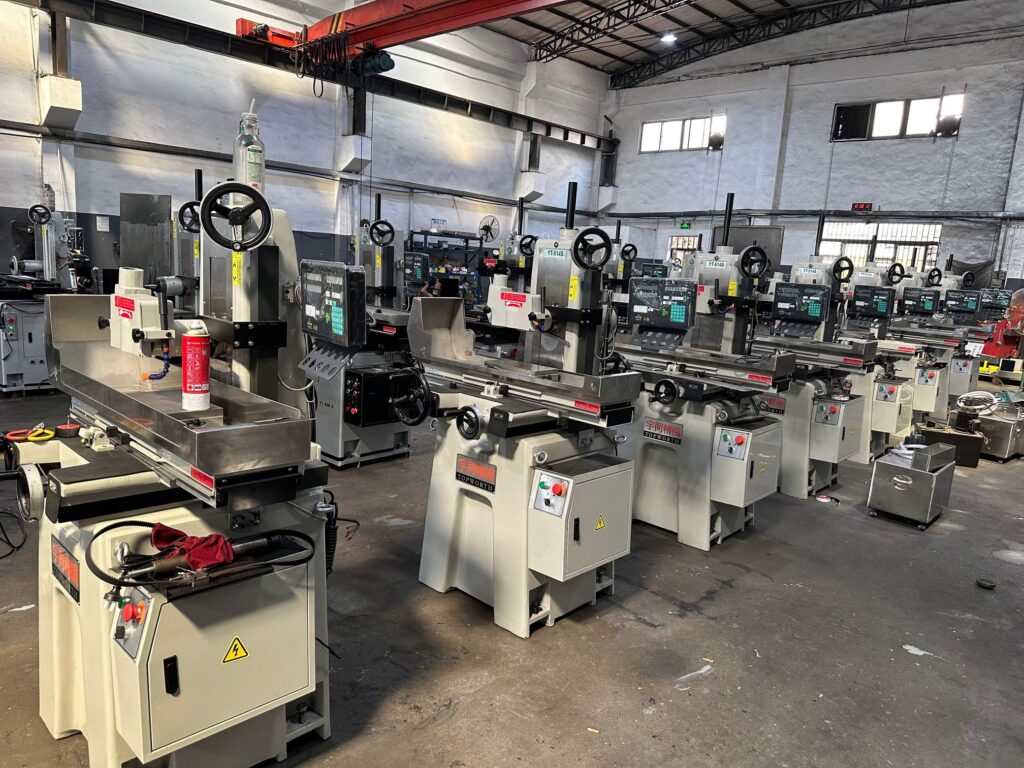
Key Advantages of 3-Axis Automatic Surface Grinder
Stable Precision Performance
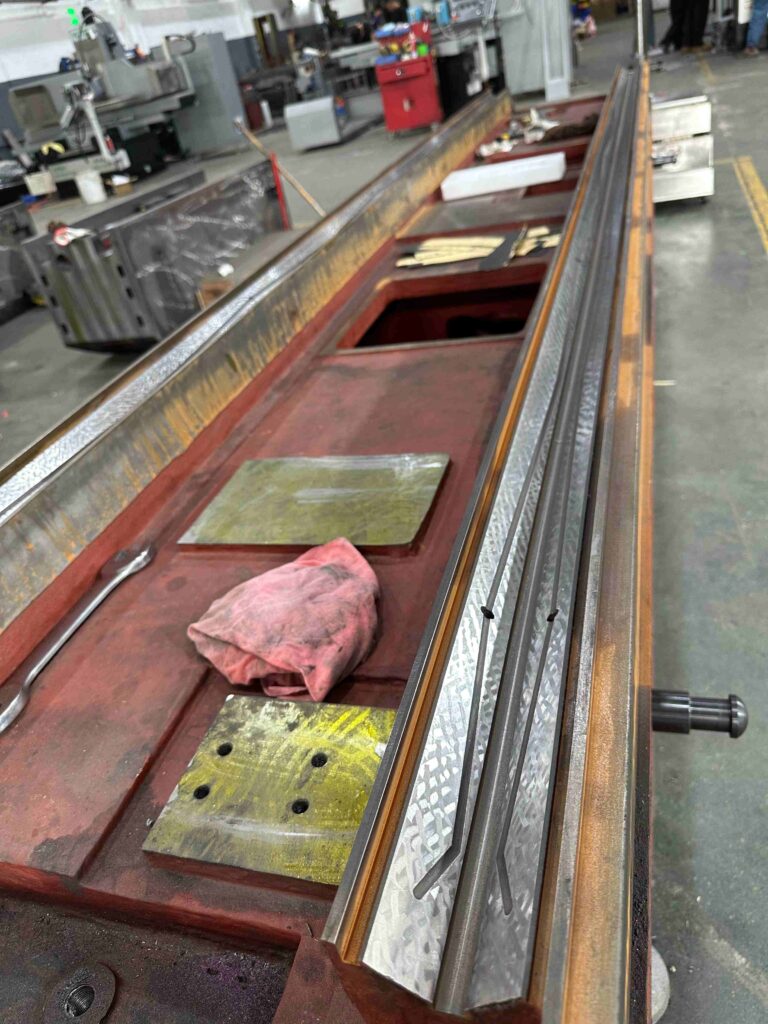
The machine uses a high-rigidity cast iron structure designed to reduce vibration and maintain long-term geometric stability.
In precision machining applications, it typically maintains:
- Surface consistency within ±2–3 μm
- Stable finishing quality across batch production
This is especially important in high precision surface grinding for mass manufacturing environments.
Reduced Labor Dependency
With automated cycle control, one operator can typically manage 2–3 machines depending on production layout and workflow optimization.
Industrial Grade Components
Key components are sourced from Japan, Taiwan, and the US to ensure long-term durability and stable performance in industrial environments.
Continuous Production Stability
The system is designed for multi-shift production environments where machines must operate continuously with minimal variation.
It performs particularly well in surface grinder for continuous production applications where consistency is more important than single-part flexibility.
Factory Production Benefits (Real Manufacturing Impact)
Based on typical machining workshop applications, upgrading to a 3-axis automatic surface grinder can deliver:
- 30%–60% reduction in labor cost
- 2–3x improvement in production efficiency
- 40–70% reduction in surface quality variation
- More stable batch production output
- Reduced operator dependency risk
In many manufacturing environments, this upgrade is driven by production scaling rather than optional improvement.
👉 If you are planning to upgrade from hydraulic to NC or CNC surface grinding systems, contact us for technical selection support and production line configuration advice.
Application Industries
This machine is widely used in:
- Mold manufacturing industry
- Automotive parts production
- Precision tooling workshops
- CNC machining factories
It is particularly effective in surface grinder for mold manufacturing and precision component production where repeatability is critical.
FAQ
It is used for precision surface grinding in mold, automotive, and industrial component manufacturing with high repeatability requirements.
A hydraulic surface grinder typically shows higher manual variation (±10–20 μm), while an NC surface grinder improves repeatability to around ±2–5 μm with programmable control.
Yes. With automation systems, one operator can typically manage 2–3 machines depending on production layout.
Yes. It is designed specifically as an automatic surface grinder for batch production environments.
It is widely used in mold manufacturing, automotive components, aerospace parts, and precision tooling industries.
Conclusion
The 3-axis automatic surface grinder is a practical upgrade for manufacturers requiring both precision and stable production efficiency.
By integrating CNC-controlled axis coordination with stable mechanical structure, it significantly improves repeatability while reducing labor dependency in batch production environments.
For factories still relying on hydraulic systems, upgrading to NC or programmable grinding solutions is often the next step toward higher productivity and tighter machining tolerance control.