
Comparing surface grinder brands is one of the most important decisions a workshop or dealer will make. Moreover, the brand you choose affects accuracy, lead time, spare parts and resale value for a decade or more. This guide explains how the global market is organized in 2026. It covers brand tiers, the real value of premium pricing and how distributors can build a balanced brand portfolio. Consequently, buyers can select with facts instead of marketing claims.
How Surface Grinder Brands Are Tiered Across the Global Market
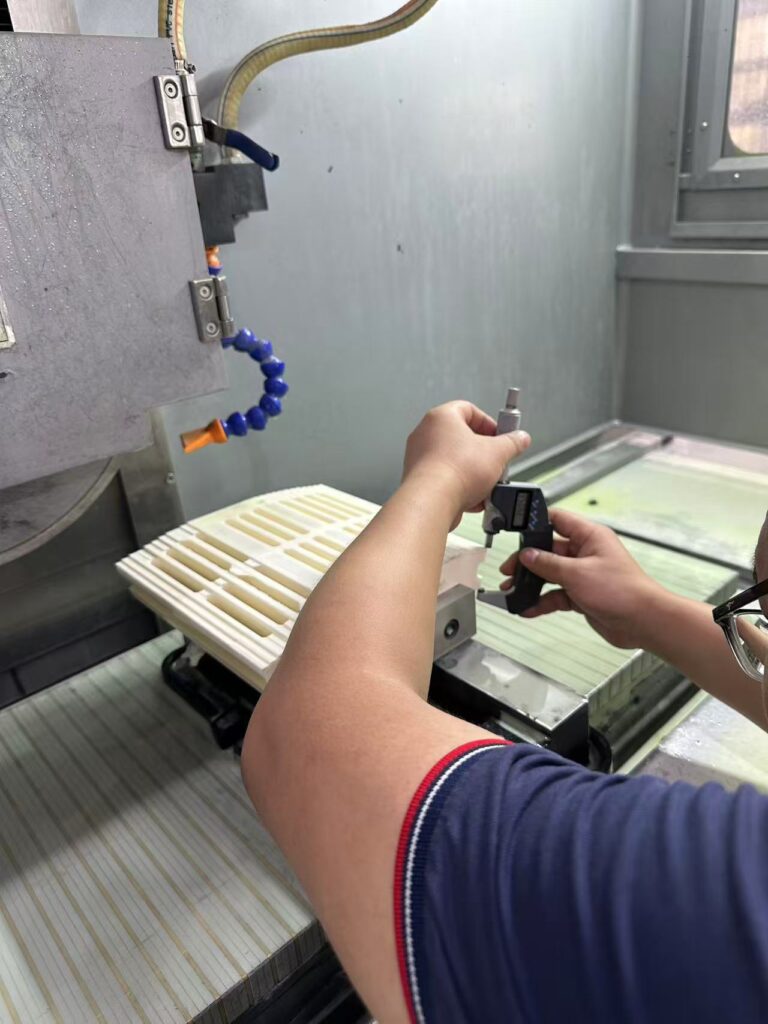
The market separates into three practical tiers. However, these tiers describe positioning, not absolute quality. The premium tier contains German and Japanese heritage brands. These makers offer high rigidity, tight tolerances and long machine life. They also charge the highest prices and deliver on longer lead times. In addition, their machines often appear in precision mold shops and high-end component plants.
The mid tier is led by established Taiwanese brands. These machines offer consistent accuracy and solid automation at moderate prices. They sit between the premium names and volume Chinese production. Furthermore, many Taiwanese makers run mature export programs and document their machines in several languages.
The value-to-mid tier is led by first-line mainland China manufacturers. These brands have matured quickly. They now combine competitive pricing with short lead times and large output. In fact, leading Chinese factories already source core components from first-tier Japanese, Taiwanese and American suppliers. Therefore, the best surface grinder brands in this tier compete far above the old stereotype of low-cost machinery.
Premium, Mid and Value-to-Mid: What Each Tier Includes
Each tier serves a different workload. Premium machines target sub-micron grinding, fine finishes and demanding tool rooms. Mid-tier machines target daily precision work at a controlled cost. Value-to-mid Chinese machines target general machining, repair workshops and fast-growing markets. Moreover, output capacity and table size matter as much as country of origin.
Quality is not uniform even inside one tier. Smaller assemblers vary widely in process control and testing. As a result, a tier label alone never replaces a factory audit. In addition, brand origin tells only part of the story, since many machines now mix global components with local assembly.
Competition has shifted toward service and configuration. Premium names compete on precision reputation and resale value. Taiwanese brands compete on automation and reliability. Chinese brands compete on delivery time, price flexibility and export readiness. Meanwhile, certification and component transparency have become standard comparison points.
Different customers need different tiers. High-end mold makers and precision component plants usually select premium machines. They need repeatable micron-level results and often accept the premium price. In addition, their customers sometimes specify the equipment tier during audits.
General machining shops and repair workshops usually prefer value-to-mid Chinese brands. They need flat, parallel results on typical steel workpieces without a premium budget. Furthermore, fast delivery matters when an old machine fails suddenly. Therefore, a well-equipped Chinese grinder often pays back faster in these shops.
Dealers serve all these groups from one showroom. A single brand line cannot cover a budget range that may differ by three or four times. Consequently, smart distributors carry a premium or mid-tier name plus a high-value Chinese line. This mix lets the sales team match the machine to the actual job. For example, a repair shop and a precision die maker should not receive the same quotation.
A practical lineup follows a simple ladder. Entry manual surface grinders serve small shops and maintenance cells. Mid-range hydraulic surface grinders serve production grinding. A large hydraulic surface grinder serves heavy plates and big molds. In addition, an automatic surface grinder covers batch work with less operator effort.
Dealers in growing markets benefit most from this ladder. Markets such as Turkey and Mexico host both precision exporters and price-sensitive local workshops. By contrast, dealers who offer only one price band lose deals at both ends. Thus, customer mapping should come before brand selection.
How to Evaluate Surface Grinder Brands Beyond the Machine Itself
The machine is only the beginning. Installed base and market reputation show how a brand performs over time. Moreover, a large local installed base usually means experienced operators and proven service routines. Therefore, ask how many machines run in your region and whether reference visits are possible.
Service network response speed directly controls downtime. A premium machine loses its value when repair engineers take weeks to arrive. In addition, local dealers must reach customers quickly with diagnosis and common parts. Consequently, response-time commitments should appear in the distributor agreement.
Spare Parts, Warranty and Certification
Spare parts availability and price deserve close attention. Wear items such as seals, bearings, hydraulic elements and filters must be obtainable locally. Furthermore, parts pricing should be quoted in advance. As a result, customers can budget real running costs instead of facing surprise invoices.
Warranty terms reveal supplier confidence. Compare the warranty period, covered components and claim process. In addition, confirm whether labor and freight are included. ISO 9001 quality systems document consistent production processes, and CE marking matters for machines entering the European market. However, certificates alone never replace a close look at the assembly line.
Operator training and documentation language are often overlooked. A machine with manuals in the local language reduces errors and shortens setup time. Moreover, factory-led dealer training creates competent local service teams. In fact, brands that invest in documentation tend to face fewer warranty disputes.
Industry associations and media offer useful reference points. Modern Machine Shop reports on grinding technology trends. In addition, AMT and SME publish benchmarks for machine tool technology. Thus, buyers can cross-check brand claims against independent industry sources.
Premium pricing buys several real advantages. Heritage brands hold stronger resale value, and used machinery buyers recognize their names. In addition, operators may already know the controls and work habits of familiar machines. This familiarity shortens training and reduces scrap during the first months.
Financing and customer acceptance can also favor famous names. Some large manufacturers and tenders approve projects faster when equipment comes from a familiar machine tool brand. Therefore, the premium can pay back through faster acceptance as well as precision. However, this advantage matters mainly for high-end or export-oriented work.
On a typical general-engineering workpiece, a well-built Chinese machine with first-tier components can meet standard precision requirements. In fact, tolerance gaps narrow significantly when both machines use comparable spindles, bearings and control elements. Thus, buyers should test actual workpieces rather than assume a name guarantees better results.
The premium is worth paying when work sits near the tolerance limit or when finishes demand the finest surface quality. Customer audits that specify heritage equipment are another valid reason. By contrast, shops grinding standard plates, fixtures and repair parts often recover cost faster with a value-to-mid machine. The surface grinder price page helps quantify this gap.
Distributors should explain this trade-off honestly. For example, a dealer can present total cost per part over five years. Furthermore, honest comparison builds trust and repeat orders. Consequently, the dealer becomes an advisor rather than simply a seller.
Combining Surface Grinder Brands: A 2026 Distributor Strategy
Relying on one supplier creates several risks. Price changes, delivery delays and policy shifts all arrive without alternatives. Moreover, a single brand cannot cover every budget on the showroom floor. Therefore, most successful dealers now build a multi-tier brand portfolio.
A high-value volume brand also supports cash flow. Entry and mid-range machines sell more frequently, so they turn inventory faster. Meanwhile, premium machines provide margin and prestige on selected deals. In addition, consumables and service create recurring revenue after each sale.
Multiple brands can also fight each other. Two machines with similar specs and overlapping prices confuse customers. Therefore, each brand should occupy a clear price band with visible differences. For example, one line can focus on manual and standard hydraulic machines, while another handles premium automation and large tables.
Sales teams need a clear comparison script. Specifically, the script should guide customers by tolerance, batch size and budget. In addition, dealers should avoid discounting two brands against each other. Thus, the portfolio covers the market without eroding margins.
The Rise of Chinese Surface Grinder Brands and How to Choose One
Chinese supply chains have matured. Leading factories now buy bearings, hydraulic parts, spindles and control components from Japanese, Taiwanese and American first-tier suppliers. Moreover, export certification, multilingual documentation and OEM services are now standard at serious factories. As a result, Chinese grinding machine manufacturers win growing shares in developing and developed markets alike.
Quality between brands still varies widely. Genuine factories design, assemble, test and ship under one roof. Alternatively, trading assemblers buy finished units and cannot control batch consistency. Therefore, request workshop footage, serial-numbered test reports and a live video audit before any deposit.
OEM and ODM maturity is another advantage. Real factories support custom nameplates, paint colors and voltage settings. In addition, they can prepare local-language manuals and region-specific coolant systems. This flexibility helps dealers build their own identity instead of reselling an anonymous product.
YUTON’s Position and the Authorized Distributor Program
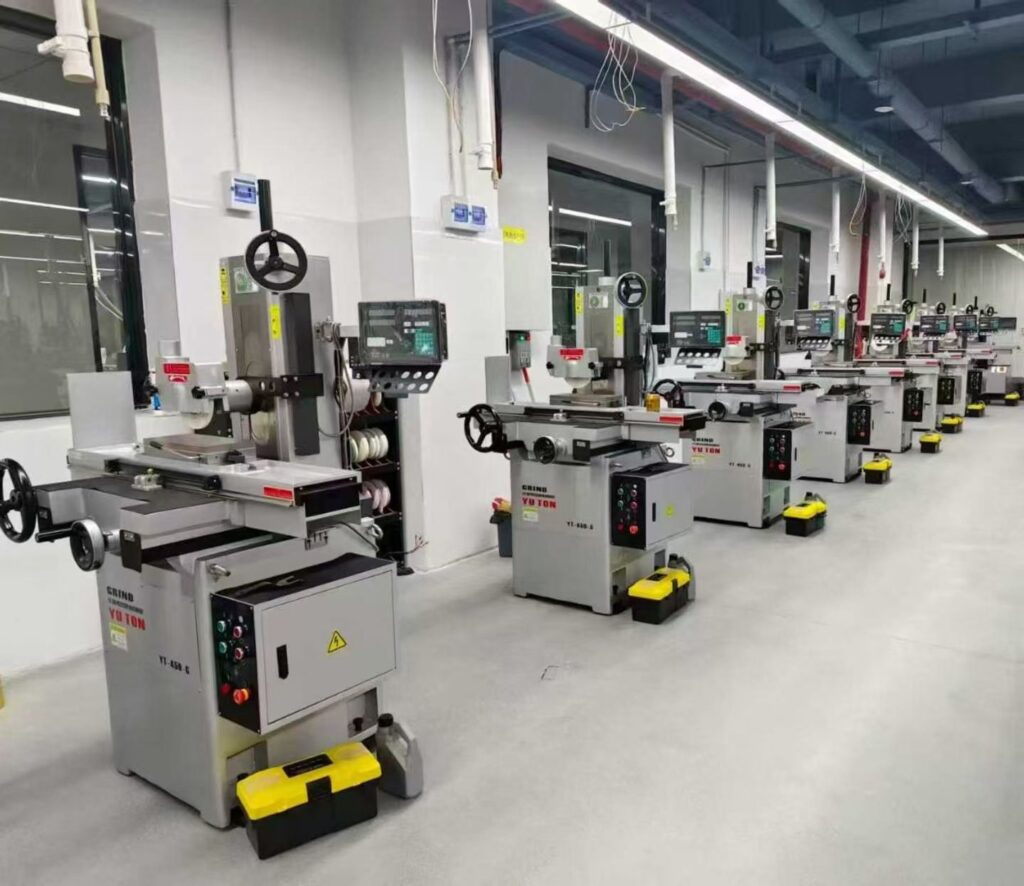
YUTON is the brand of Guangdong Yutong Precision Machinery Co., Ltd., based in Dongguan, China. The factory employs about 150 people across 15,000 square meters and seven production buildings. In 2025 it shipped around 3,100 surface grinders, placing it among the top three producers nationwide. Furthermore, core components come from leading Japanese, Taiwanese and American brands.
Quality and export compliance are built into the operation. The factory runs a certified quality management system and carries European-market compliance documentation for applicable models. Moreover, a genuine surface grinder manufacturer controls assembly, testing and shipment directly. This vertical control protects batch consistency.
The authorized distributor program offers regional exclusivity, so partners are not undercut inside their territory. In addition, YUTON maintains spare parts stock, technical training and installation support. Marketing materials, specification sheets and machine photography help dealers sell faster. Furthermore, OEM branding and custom configurations are available for committed partners.
Starting is simple. End buyers can send workpiece dimensions, table requirements and target tolerance for a model recommendation. Dealers can apply to become an authorized YUTON distributor and receive territory terms. Meanwhile, a trial order can begin the partnership before a full annual commitment. The export team replies with configuration, lead time and distributor conditions.
FAQ: Surface Grinder Brands
Which of the surface grinder brands is best for a precision mold shop?
Precision mold shops usually evaluate premium German and Japanese heritage brands first. They offer the tightest tolerances, finest finishes and strong resale value. However, a first-line Chinese machine with premium components can also satisfy many standard mold jobs. Therefore, test actual workpieces and compare five-year cost before deciding.
How many brands should a grinding machine distributor carry?
Most distributors succeed with two or three clearly separated lines. For example, one premium or mid-tier brand plus a high-value Chinese brand covers most budgets. In addition, a dedicated large-machine line can anchor big project deals. Thus, the portfolio stays broad without confusing customers.
Do premium machines really hold better resale value?
Yes, heritage names usually sell faster on the used market and retain a larger share of price. Moreover, familiar controls attract used-machine buyers who already know the machine. However, resale value matters less if a machine is kept for many years. Therefore, include your planned ownership period in the calculation.
What should I ask a factory before ordering a new grinder brand?
Ask for installed references, test reports with serial numbers and a live factory video. In addition, confirm core component brands, warranty terms and local spare parts plans. Furthermore, request written lead time and training commitments. As a result, most hidden risks become visible before payment.
Can Chinese grinding machine brands match European or Japanese accuracy?
The leading Chinese factories, using first-tier imported components and systematic testing, meet the accuracy needs of most general and precision shops. In fact, gaps shrink on standard workpieces when specifications match. However, the most demanding sub-micron work still favors premium heritage machines. Therefore, compare tolerance certificates on your own parts.
Conclusion
Grinder brands differ in tier, service and total cost. Moreover, the right choice depends on tolerance needs, budget, local support and long-term strategy. Premium heritage machines excel at the top of the precision range. Meanwhile, first-line Chinese brands deliver strong value, fast delivery and global components for most workshops. In addition, distributors gain both margin and cash flow when they combine tiers in a disciplined portfolio.
If you are an end buyer, send your workpiece dimensions, table size and target tolerance. The YUTON team will recommend a model and send a clear quotation with lead time. If you resell machinery, apply to become an authorized YUTON distributor. The program provides territory protection, spare parts, training and OEM options. Therefore, send your inquiry or distributor application today and prepare your 2026 grinder brand lineup with a proven factory partner.