
Therefore, choosing the right CBN grinding wheel selection strategy directly determines whether your hardened steel parts hold tolerance or end up in the scrap bin. Moreover, cubic boron nitride wheels last up to 100 times longer than conventional aluminum oxide abrasives, but only when the bond, grit, and concentration match your workpiece. In addition, shops that pick the wrong CBN spec often see burning, chatter, and premature wheel wear instead of the expected gains. Consequently, this guide walks you through every selection factor so you can specify CBN wheels with confidence in 2026.
Why CBN Grinding Wheel Selection Matters for Precision Work
CBN is the second-hardest abrasive known to manufacturing, surpassed only by diamond, as documented in abrasive engineering standards. Therefore, it excels on hardened ferrous metals where diamond cannot be used, because diamond reacts chemically with iron at high grinding temperatures. Moreover, CBN maintains a sharp cutting edge far longer than aluminum oxide, which means less frequent dressing and more consistent part geometry. In addition, a properly selected CBN wheel delivers lower grinding forces, reduced thermal damage, and superior surface finish on HRC 50–70 materials. According to manufacturing research from SME, correct CBN grinding wheel selection can reduce cycle time by up to 40% on hardened steel components.
Furthermore, the cost per grind drops significantly when the wheel is correctly specified. However, many buyers focus only on the upfront price and ignore bond type and grit size. As a result, they end up with a wheel that glazes, loads, or breaks down too quickly. Specifically, matching the wheel to the machine rigidity, coolant system, and workpiece material is what separates successful CBN users from frustrated ones.
How to Choose the Right Bond Type for CBN Wheels
Therefore, the bond is the single most important decision in CBN grinding wheel selection. Moreover, it controls how sharp the wheel stays, how it dresses, and how it reacts to heat. In addition, four bond families dominate industrial CBN grinding today, and understanding each one is essential.
Resin Bond CBN Wheels
Resin bond wheels are the most common and most economical choice. Therefore, they cut freely, produce good surface finish, and tolerate slight machine vibration well. Moreover, resin bond is self-sharpening because the bond erodes as the grit dulls, exposing fresh crystals. In addition, it works best for dry or wet finish grinding on tool steels, high-speed steels, and hardened shafts. However, resin bond wears faster than metal or vitrified bonds and is less suited to heavy stock removal. Furthermore, resin wheels are available in a wide range of grit sizes and concentrations, making them versatile for job shops that handle varied workpiece materials. Consequently, many buyers start with resin bond CBN and then move to vitrified or metal bonds once their production volume justifies the investment.
Metal Bond CBN Wheels
Metal bond wheels offer exceptional grit retention and form holding. Therefore, they are preferred for profile grinding, groove grinding, and applications where tight geometry must be maintained across long production runs. Moreover, metal bond lasts significantly longer than resin bond. However, it requires more dressing power and can generate more heat if the coolant is inadequate. In addition, metal bond is not self-sharpening, so a proper dressing routine is essential.
Vitrified Bond CBN Wheels
Vitrified bond combines the free-cutting nature of resin with the durability of metal. Therefore, it has become the fastest-growing CBN bond type in precision production grinding. Moreover, vitrified bonds are porous, which allows coolant to reach the grinding zone and reduces thermal damage. In addition, they dress easily with rotary diamond dressers and hold profile accuracy well. Consequently, vitrified CBN wheels are ideal for high-volume camshaft, crankshaft, and bearing grinding. Industry data from MMS Online shows that vitrified CBN wheels now account for over half of all precision production grinding applications in automotive and bearing plants.
Electroplated CBN Wheels
Electroplated wheels have a single layer of CBN grit bonded to a steel hub. Therefore, they require no dressing and are ready to use immediately. Moreover, they offer high grit exposure and aggressive cutting action. In addition, they are the only practical choice for complex profiles and internal grinding where dressing access is limited. However, once the grit wears, the wheel must be replaced rather than redressed. Consequently, electroplated wheels are most cost-effective for short production runs, prototype work, and specialized profile applications where dressing a conventional wheel would be impractical or impossible.
Key Factors: Grit Size, Concentration, and Hardness
Beyond bond type, three parameters define how a CBN wheel performs. Therefore, getting these right is just as critical as choosing the bond.
Grit Size
Coarser grit (60/80 mesh) removes material quickly but leaves a rougher finish. Therefore, use it for rough grinding or heavy stock removal on hardened steel workpieces. Moreover, medium grit (120/150) is the general-purpose choice for most surface grinding operations. In addition, fine grit (200–600) produces mirror finishes and tight tolerances but cuts slower and generates more heat. Consequently, match the grit to your required Ra value rather than using one wheel for every job. Indeed, using the wrong grit size is one of the most frequent causes of poor CBN grinding results.
Concentration
Concentration refers to the volume of CBN abrasive in the bond. Therefore, 100 concentration means 4.4 carats per cubic centimetre, which is the industrial standard. Moreover, higher concentration (125–150) extends wheel life and maintains form but requires more machine power. In addition, lower concentration (50–75) cuts more freely and is suitable for rigid, low-horsepower machines. However, going too low causes rapid wheel wear and poor finish.
Wheel Hardness and Grade
Hardness describes how strongly the bond holds the grit. Therefore, a harder grade retains grit longer for high-production work, while a softer grade releases dull grit faster for free cutting. Moreover, hard materials require softer-grade wheels so that dull grit fractures and self-sharpens. In addition, soft materials pair with harder grades to maximize grit life. Consequently, always match the grade to the workpiece hardness, not the other way around.
Wheel Speed and Compatibility
Therefore, CBN wheels operate at different surface speeds than conventional wheels, typically 2,000–3,000 m/min for resin bond and up to 4,500 m/min for vitrified bond. Moreover, running below the recommended speed causes the wheel to act harder than its grade, leading to glazing and burning. In addition, exceeding the rated speed creates a safety risk and can cause bond breakdown. Consequently, verify that your machine spindle can deliver the correct surface speed before purchasing a CBN wheel. Furthermore, check the wheel’s maximum RPM rating against your grinder’s spindle speed to ensure safe operation at all times.
Matching CBN Wheels to Your Workpiece Material
Therefore, CBN is exclusively for ferrous and hard metal workpieces. Moreover, matching the wheel specification to the material prevents thermal damage and maximizes wheel life.
Hardened Tool and Die Steels
Tool steels such as D2, A2, O1, and S7 at HRC 58–65 are the most common CBN application. Therefore, use resin bond with 120–180 grit at 100 concentration for general surface grinding. Moreover, vitrified bond is preferred for high-volume die production because it stays cooler and holds profile better. In addition, always apply sufficient coolant, because these steels are prone to grinding burn and surface cracks.
Bearing Steels
Bearing steels like 52100 and 440C demand exceptional surface finish and dimensional stability. Therefore, vitrified CBN wheels with 150–220 grit are the standard in bearing manufacturing. Moreover, the porous vitrified bond allows coolant penetration and reduces the risk of metallurgical damage. In addition, maintaining consistent feed rates prevents waviness on raceway surfaces. For more on achieving tight tolerances, see our guide to surface grinding tolerance.
High-Speed Steels
M2, M35, and T15 high-speed steels are common in cutting tools and drills. Therefore, resin bond CBN at 120–150 grit works well for regrinding operations. Moreover, CBN’s thermal stability prevents the wheel from dulling at the high temperatures generated by HSS grinding. In addition, using a cutting fluid with good extreme-pressure additives further improves results. Consequently, tool and cutter shops that switch to CBN report fewer wheel changes and more consistent edge geometry across batches.
Nickel-Based Superalloys
Inconel 718, Waspaloy, and René 41 are notoriously difficult to grind. Therefore, vitrified CBN with 80–120 grit and moderate concentration is recommended. Moreover, these alloys work-harden rapidly, so the wheel must stay sharp and cut freely. In addition, reduce wheel speed and increase coolant pressure to avoid workpiece burn. Consequently, CBN significantly outperforms aluminum oxide on superalloys by maintaining grit sharpness throughout the grind. The European Commission’s industrial materials report identifies superalloy grinding as a key process where CBN grinding wheel selection directly affects component fatigue life and safety.
Common CBN Grinding Wheel Selection Mistakes to Avoid
Even experienced shops make specification errors. Therefore, watch for these common pitfalls that undermine even the best wheel specification. Guidance from AMT emphasizes that over 60% of CBN grinding problems trace back to initial wheel specification rather than machine or operator error.
Choosing the Wrong Bond for the Machine
A soft, low-power machine cannot drive a hard metal bond wheel efficiently. Therefore, match bond hardness to your machine’s rigidity and horsepower. Moreover, resin bond is more forgiving on older or less rigid machines. In addition, if your surface grinder vibration troubleshooting shows chatter, switching to a softer resin CBN wheel may help. Consequently, always assess machine condition before specifying a bond.
Ignoring Coolant Compatibility
CBN generates high temperatures at the contact zone. Therefore, coolant is not optional for most CBN operations. Moreover, water-soluble synthetic fluids work well with resin and vitrified bonds. In addition, straight oils are preferred for heavy grinding on high-speed steels but require adequate fire protection. However, using the wrong coolant can degrade resin bonds or cause thermal shock. For detailed guidance, see our surface grinder coolant guide.
Neglecting Dressing Parameters
A CBN wheel that is never properly dressed will glaze and stop cutting. Therefore, establish a dressing schedule based on part count or power draw. Moreover, use a sharp diamond rotary dresser for vitrified and metal bonds. In addition, a stationary diamond dresser works for resin bond wheels. Consequently, dressing too aggressively wastes expensive CBN abrasive, while dressing too little causes burning. For more techniques, see our grinding wheel dressing techniques.
CBN Grinding Wheel Maintenance and Storage
Therefore, proper care extends CBN wheel life and ensures consistent performance. Moreover, CBN wheels are a significant investment, so handling them correctly pays off.
First, store wheels in a dry, temperature-controlled environment. Therefore, moisture can degrade resin bonds and cause imbalance. Moreover, keep wheels on their edge or in dedicated racks, never flat on a concrete floor. In addition, inspect every wheel for cracks or damage before mounting.
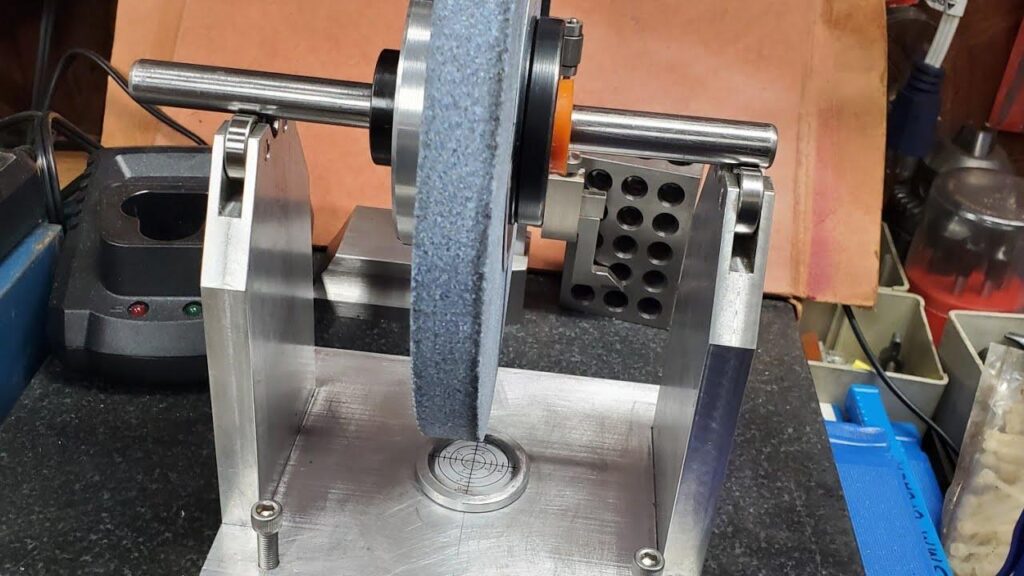
Furthermore, always run a new wheel at operating speed for at least one minute before grinding, with the guard in place. Therefore, this safety step allows any latent defect to reveal itself before the operator approaches. Moreover, balance the wheel after mounting using a surface grinder wheel balancing procedure to eliminate vibration. In addition, maintain consistent coolant concentration and filter the system to prevent swarf from damaging the wheel face. Specifically, check coolant concentration weekly with a refractometer and keep filters clean. Moreover, inspect the wheel face after every 50 parts for loading or glazing, and dress as needed. Consequently, a disciplined maintenance routine preserves wheel geometry and extends service life well beyond manufacturer averages.
How YUTON Supports Your CBN Grinding Operations
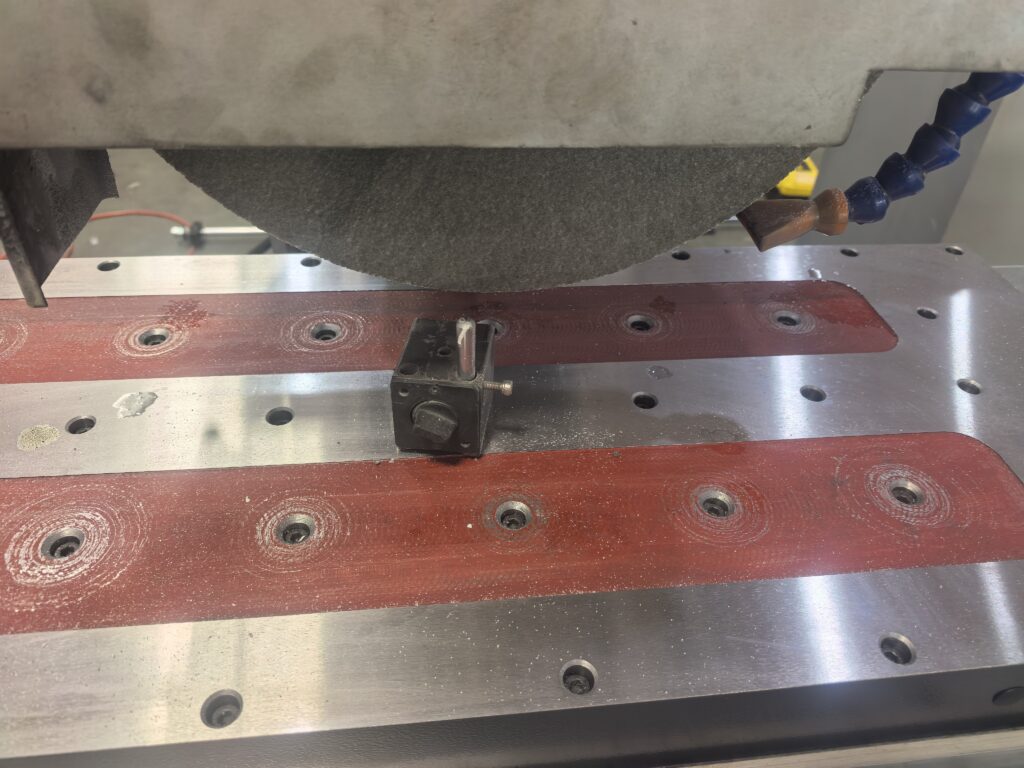
Therefore, YUTON grinders are engineered to maximize the performance of CBN wheels. Moreover, our CNC forming grinders feature rigid box-way construction and precision spindle assemblies that minimize vibration, which is critical for hard abrasive performance. In addition, our machines support high-pressure coolant systems and variable-speed wheel heads that match CBN requirements.
YUTON operates a 15,000 m² facility in Dongguan with 150 skilled employees. Therefore, our scale allows us to produce over 3,100 precision grinding machines annually, ranking among the top three in China. Moreover, every machine carries ISO 9001 and CE certification, and core components are sourced from leading Japanese, Taiwanese, and American suppliers. In addition, our PLC and CNC surface grinder models are well suited for CBN applications on hardened steel, carbide, and superalloy workpieces. Furthermore, our engineering team can recommend wheel specifications and grinding parameters tailored to your parts. For more on our product range, explore our automatic surface grinder and CNC surface grinder lines.
FAQ: CBN Grinding Wheel Selection
What grit size CBN wheel should I use for surface grinding?
Therefore, 120–150 grit is the general-purpose choice for most surface grinding on hardened steels. Moreover, use 80–100 grit for roughing and 200–600 grit for fine finishing. In addition, always align grit size with your required surface roughness and stock removal.
How long does a CBN grinding wheel last?
Therefore, a correctly specified CBN wheel can last 50 to 100 times longer than an aluminum oxide wheel. Moreover, actual life depends on bond type, material hardness, coolant quality, and dressing practices. In addition, vitrified and metal bonds typically outlast resin bonds in production environments.
Can I use CBN wheels on a conventional surface grinder?
Therefore, yes, provided the machine has sufficient rigidity and a properly functioning coolant system. Moreover, resin bond CBN wheels are the most forgiving on older machines. In addition, ensure the spindle speed matches the wheel’s rated speed and that the dresser is appropriate for CBN.
What is the difference between CBN and diamond wheels?
Therefore, CBN is for ferrous metals, while diamond is for non-ferrous hard materials like carbide, ceramics, and stone. Moreover, diamond chemically reacts with iron at grinding temperatures, making it unsuitable for steel. In addition, both abrasives offer exceptional hardness and long life. For diamond wheel guidance, see our diamond wheel grinding guide.
How often should I dress a CBN grinding wheel?
Therefore, dress only when you notice increased power draw, surface burn, or finish degradation. Moreover, CBN wheels need far less frequent dressing than conventional wheels. In addition, a light dressing pass with a sharp diamond tool restores cutting action without wasting abrasive.
Conclusion
Therefore, CBN grinding wheel selection is a systematic process that starts with the workpiece material and ends with the right bond, grit, concentration, and grade. Moreover, resin bond handles general-purpose grinding, metal bond holds complex profiles, vitrified bond excels in high-volume production, and electroplated wheels solve complex geometry problems. In addition, grit size, concentration, and hardness must all align with your specific application. Consequently, taking the time to get the specification right pays dividends in longer wheel life, better finish, fewer scrapped parts, and lower cost per grind.
Furthermore, YUTON stands ready to support your precision grinding journey with robust machines built for CBN performance. Therefore, whether you grind tool steel, bearing steel, or superalloys, our 150-person team and 3,100-unit annual output ensure reliable equipment backed by ISO 9001 and CE certification. In addition, our use of Japanese, Taiwanese, and American core components means every YUTON grinder delivers the stability CBN grinding demands. Moreover, our engineers work directly with buyers to recommend wheel specifications, coolant strategies, and grinding parameters for their specific workpiece materials. Contact our team today to discuss your workpiece requirements and discover the right grinding solution for your shop. Whether you need a manual surface grinder for a small toolroom or a fully automated CNC forming grinder for high-volume production, YUTON has a machine matched to your application and budget.