
When you decide to buy automatic surface grinder equipment, you’re making an investment that directly impacts your production efficiency and product quality. However, selecting the right machine requires careful consideration of multiple factors. This guide walks you through everything you need to know before making your purchase decision.
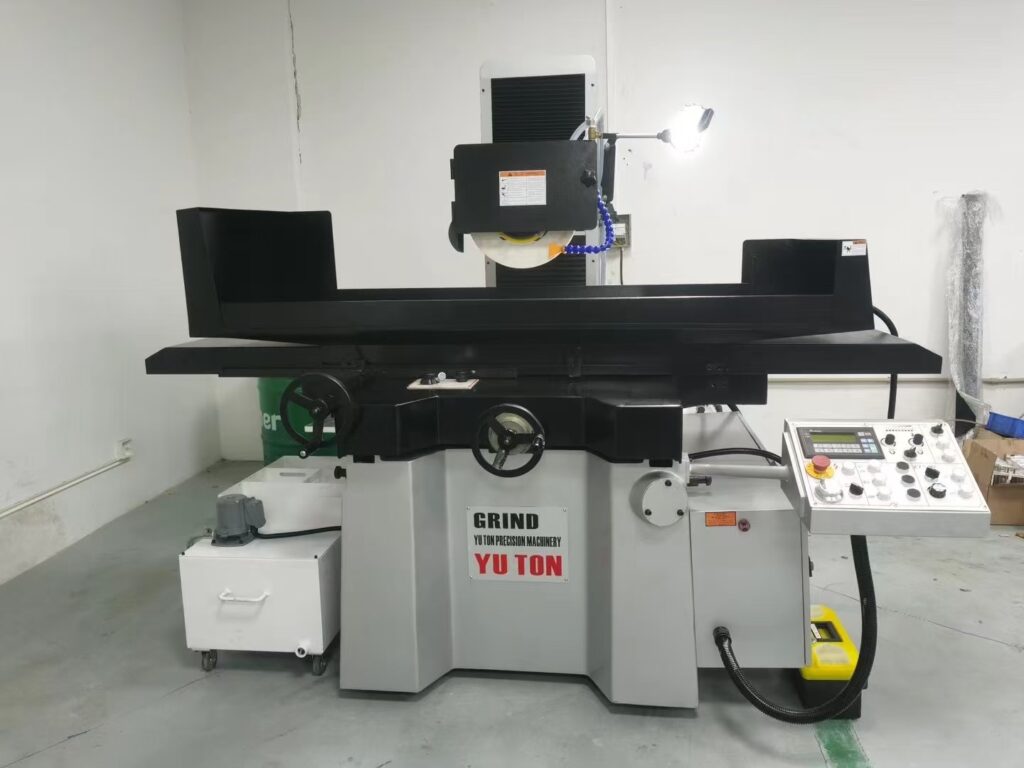
Key Factors to Consider Before You Buy Automatic Surface Grinder
Before purchasing, you must evaluate several critical aspects that will determine whether the machine meets your production needs. These factors range from technical specifications to after-sales support.
Production Volume and Capacity Requirements
First, assess your daily production targets. An automatic surface grinder should match your output requirements without creating bottlenecks. For high-volume operations, consider machines with larger work tables and faster spindle speeds. Meanwhile, smaller workshops might benefit from compact models that still deliver consistent results.
Material Types and Workpiece Specifications
Different applications demand different capabilities. Therefore, consider the materials you’ll be processing—whether steel, aluminum, or exotic alloys. Additionally, evaluate workpiece sizes, weights, and tolerances. Consequently, this information guides your selection of table size, magnetic chuck strength, and grinding wheel specifications.
Automation Level and Control Systems
Modern automatic surface grinders offer various automation levels. Some feature basic PLC controls, while others integrate CNC systems with touch-screen interfaces. As a result, you can choose based on your operators’ skill levels and production complexity requirements.
Technical Specifications That Matter Most
When you buy automatic surface grinder equipment, certain specifications directly impact performance and ROI.
Spindle Power and Speed Range
The spindle motor determines cutting efficiency. For most industrial applications, motors ranging from 5HP to 15HP provide adequate power. Moreover, variable speed control allows optimization for different materials and wheel types.
Table Size and Travel Distance
Work table dimensions define your maximum workpiece capacity. Common sizes range from 8×18 inches to 20×60 inches. Additionally, consider both longitudinal and cross-axis travel to ensure flexibility for various jobs.
Precision and Repeatability Standards
Look for machines offering positioning accuracy within 0.0001 inches or better. This precision level ensures consistent part quality across production runs. Furthermore, verify that the machine maintains this accuracy under continuous operation conditions.
Total Cost of Ownership Analysis
The purchase price represents only part of your investment. Therefore, calculate total cost of ownership including:
- Initial purchase price and shipping costs
- Installation and commissioning expenses
- Consumables (grinding wheels, coolant, hydraulic fluid)
- Maintenance and spare parts over 5 years
- Energy consumption and operational labor
Consequently, a slightly higher-priced machine with lower operating costs often delivers better long-term value.
Evaluating Manufacturer Reliability
Your choice of supplier significantly impacts machine performance and longevity.
Production Experience and Market Reputation
Established manufacturers with proven track records typically deliver more reliable equipment. For instance, companies producing over 3,000 units annually demonstrate scalability and quality consistency. Additionally, check customer reviews and case studies from similar industries.
Quality Certifications and Testing Standards
Reputable suppliers hold ISO 9001 certification and CE marking for international markets. Moreover, they perform 48-hour continuous run tests on every machine before shipment. This testing protocol identifies potential issues before delivery.
Component Quality and Sourcing
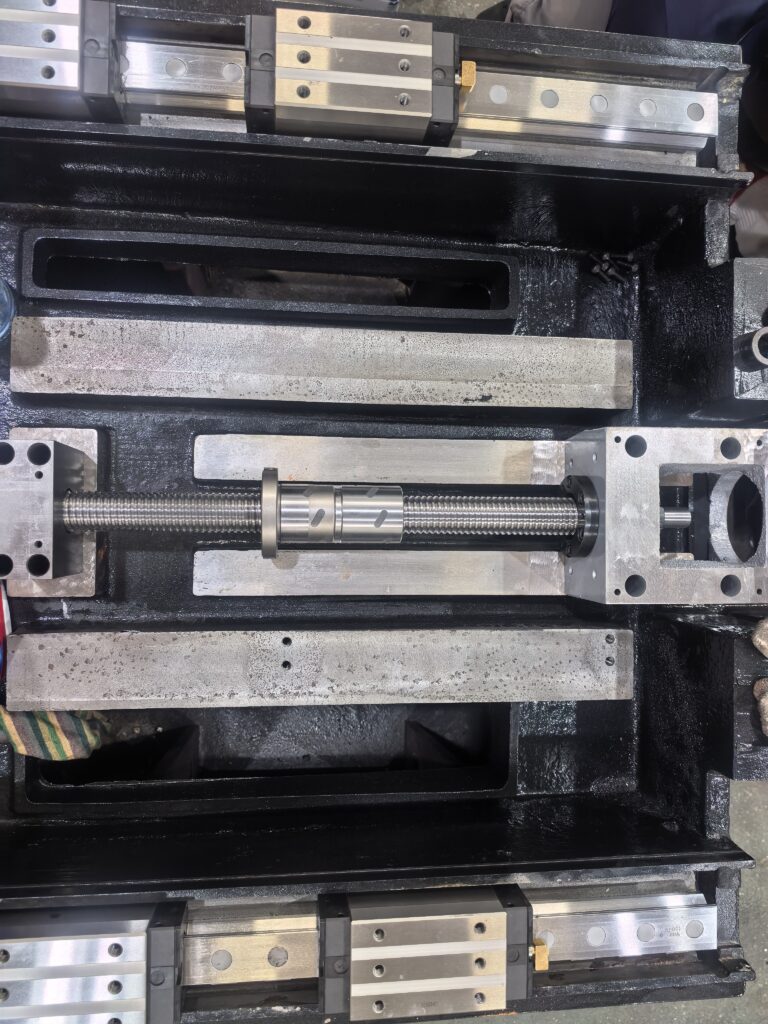
Premium automatic surface grinders use components from established suppliers. Look for machines featuring Japanese or Taiwanese bearings, German hydraulic systems, and American electrical components. These quality parts ensure longer service intervals and reduced downtime.
After-Sales Support and Warranty Coverage
Comprehensive support protects your investment throughout the machine’s lifecycle.
Warranty Terms and Conditions
Standard warranties cover 12-24 months for major components. However, some manufacturers offer extended coverage for critical parts like spindles and ball screws. Therefore, compare warranty scopes before purchasing.
Technical Support Availability
Reliable suppliers provide remote technical support via video calls and phone. Additionally, they maintain spare parts inventory for quick delivery. This support structure minimizes production interruptions when issues arise.
Training and Documentation
Proper operator training extends machine life and maintains precision. Consequently, choose suppliers offering comprehensive training programs and detailed operation manuals in your preferred language.
Comparing Manual vs Automatic vs CNC Options
Understanding different automation levels helps you select the right machine for your needs:
表格
| Feature | Manual Grinder | Semi-Automatic | Full CNC |
|---|---|---|---|
| Operator Skill | High | Medium | Low-Medium |
| Production Speed | Slow | Medium | Fast |
| Repeatability | Operator-dependent | Good | Excellent |
| Initial Cost | Low | Medium | High |
| Best For | Tool rooms, prototyping | Batch production | High-volume manufacturing |
Financing Options and Payment Terms
Many suppliers offer flexible payment structures to ease cash flow:
- Letter of Credit (L/C) for international transactions
- Telegraphic Transfer (T/T) with 30% deposit, 70% before shipment
- Leasing options through third-party financial institutions
- Trade-in programs for upgrading existing equipment
Additionally, some manufacturers provide trial periods or satisfaction guarantees for qualified buyers.
Shipping and Installation Considerations
Proper logistics planning prevents costly delays and damage.
Packaging and Transportation
Professional suppliers use export-grade wooden crates with internal bracing. Moreover, they arrange marine insurance for international shipments. This approach protects your investment during transit.
Site Preparation Requirements
Before delivery, ensure your facility has:
- Adequate floor space and ceiling height
- Proper electrical supply (voltage, phase, amperage)
- Foundation requirements (some machines need special foundations)
- Coolant system and chip management setup
Commissioning and Calibration
Experienced technicians should perform initial setup and calibration. This process typically takes 1-3 days depending on machine complexity. Additionally, request operator training during commissioning to maximize early productivity.
Making Your Final Decision
After evaluating all factors, create a comparison matrix scoring each option against your priorities. Consider requesting demonstrations or visiting existing customer sites to observe machines in operation.
Ultimately, the right automatic surface grinder balances capability, cost, and support. By following this guide, you’ll make an informed purchase decision that delivers years of reliable service.
Frequently Asked Questions
Q: What is the typical lead time for automatic surface grinders?
A: Standard models ship within 30-45 days. Custom configurations may require 60-90 days depending on specifications.
Q: Can I visit the manufacturing facility before purchasing?
A: Reputable manufacturers welcome factory visits. This allows you to verify production capabilities and quality control processes.
Q: What consumables budget should I plan for annually?
A: Expect to spend 3-5% of machine value annually on grinding wheels, coolant, and maintenance supplies.
Q: How often does an automatic surface grinder need major maintenance?
A: Major overhauls typically occur every 3-5 years depending on usage intensity. Regular daily maintenance prevents premature wear.
Ready to discuss your requirements? Contact our technical team for personalized recommendations based on your specific application needs. We serve customers across USA, Europe, Southeast Asia, and global markets with professional support and reliable equipment.
YUTON Precision Machinery – 30+ years of grinding expertise, 3,100+ units sold annually, ISO 9001 & CE certified.