
AI Summary
Surface finish quality is a critical factor in precision manufacturing. It directly affects component performance, durability, accuracy, and customer satisfaction. Modern grinding manufacturers must control machine precision, grinding parameters, abrasive selection, and process stability to achieve consistent results. This article explains the key factors affecting surface finish quality, methods to improve grinding performance, and how YUTON helps global manufacturers achieve reliable precision grinding results.
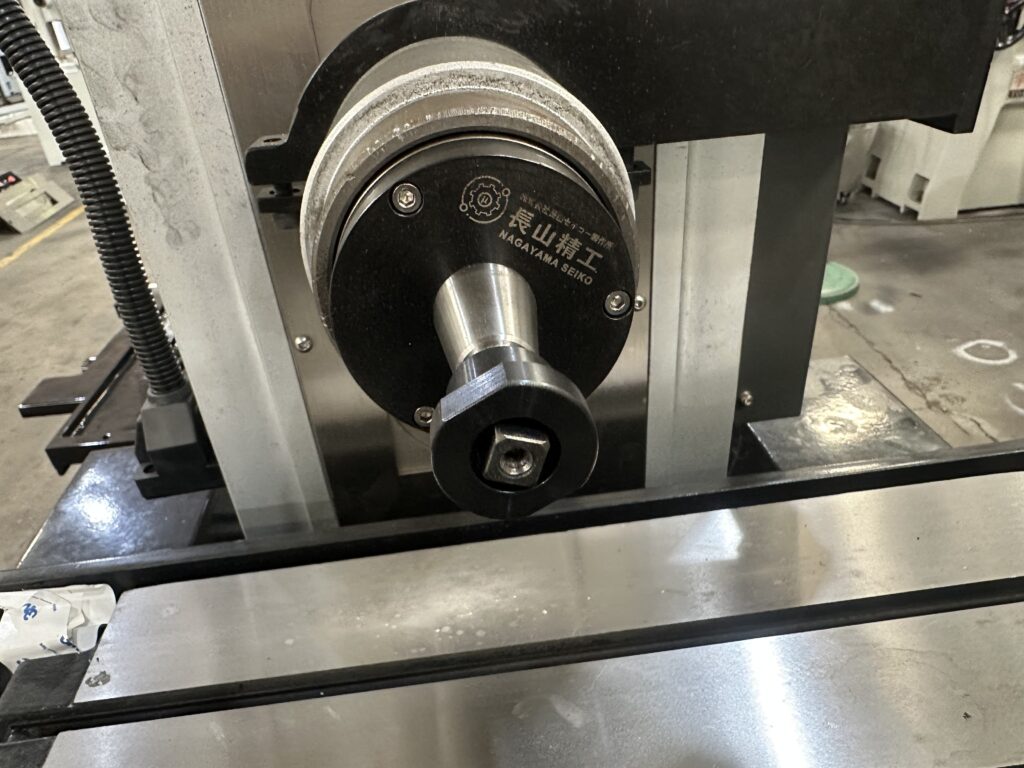
How to Improve Surface Finish Quality in Precision Grinding Operations
In precision manufacturing, surface finish quality directly influences product performance, service life, and dimensional accuracy. Industries such as aerospace, automotive, medical devices, and mold manufacturing require extremely stable surface conditions to ensure reliable operation.
As global manufacturing becomes more competitive, improving surface finish quality is no longer only a technical requirement. It has become a key factor affecting production efficiency, customer satisfaction, and overall manufacturing cost.
With advanced grinding technology, rigid machine structures, and intelligent process control, manufacturers can achieve excellent surface quality while maintaining high productivity.
Why Surface Finish Quality Matters in Modern Manufacturing
Surface quality describes the texture, smoothness, and condition of a machined surface after processing.
A high-quality surface finish provides several advantages:
- Improved wear resistance
- Reduced friction
- Better dimensional accuracy
- Increased component lifespan
- Improved assembly performance
- Higher product reliability
For industries with strict requirements, such as aerospace and medical manufacturing, even small surface defects can affect product performance.
Therefore, controlling machined surface quality is essential for manufacturers producing high-value precision components.
Factors Affecting Surface Finish Quality During Grinding
Grinding Wheel Selection
The grinding wheel is one of the most important factors affecting final surface performance.
Wheel characteristics including:
- Abrasive material
- Grain size
- Wheel hardness
- Bonding type
directly influence grinding efficiency and surface results.
A suitable grinding wheel removes material effectively while reducing heat generation and preventing surface damage.
Machine Rigidity and Stability
Machine structure plays a major role in maintaining consistent grinding performance.
A rigid grinding machine reduces vibration and improves machining stability.
High-quality components, precision guideways, and strong cast iron structures help maintain long-term accuracy and improve surface finish quality during continuous production.
Workpiece Material Characteristics
Different materials require different grinding strategies.
For example:
- Hardened steel
- Stainless steel
- Tool steel
- Carbide materials
all require optimized grinding parameters to achieve the desired surface condition.
Understanding material characteristics allows manufacturers to select the correct grinding process.
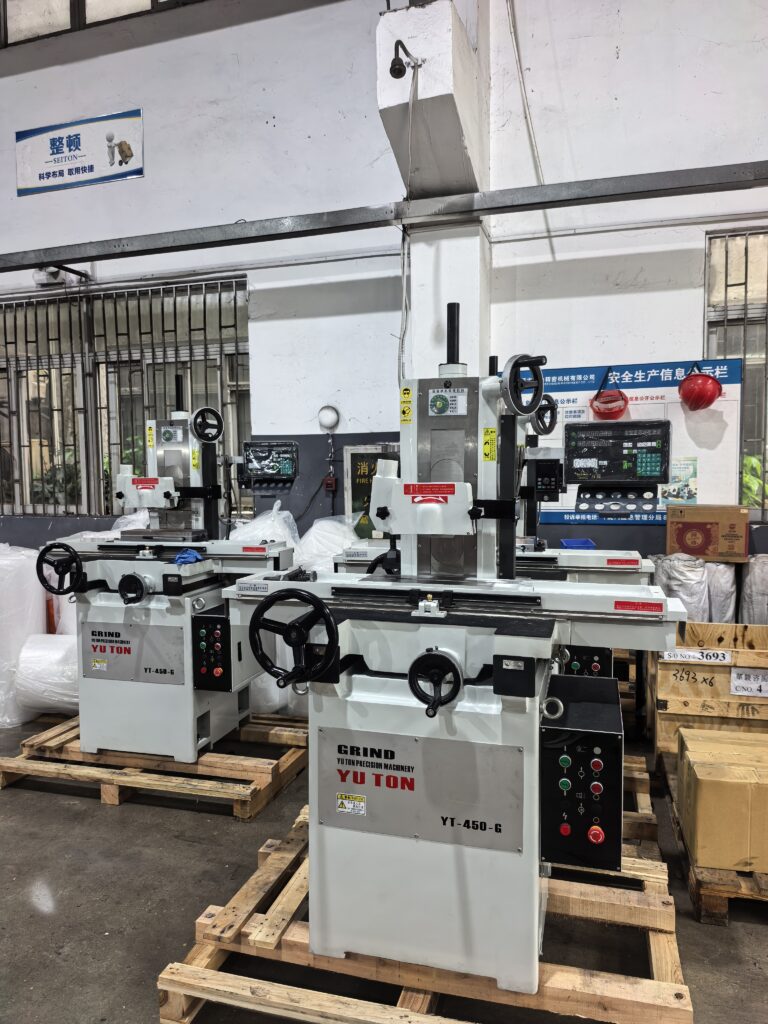
How Grinding Parameters Improve Surface Finish Quality
Image recommendation:
File name:
precision-grinding-process.webp
Alt Text:
Surface finish quality optimization during precision grinding
Feed Rate Control
Feed rate has a direct influence on grinding results.
A lower feed rate usually produces smoother surfaces because it reduces grinding marks and vibration effects.
However, manufacturers must balance surface requirements with production efficiency.
Grinding Depth Adjustment
Grinding depth affects both material removal rate and surface quality.
Smaller grinding depths generally provide better accuracy and smoother finishes.
Professional manufacturers optimize grinding depth according to:
- Material hardness
- Component size
- Surface requirements
Grinding Wheel Speed Optimization
Correct wheel speed improves cutting efficiency and reduces thermal damage.
Incorrect speed settings may cause:
- Excessive heat
- Surface burns
- Poor finish consistency
Therefore, precise parameter control is necessary for stable grinding performance.
Common Surface Finish Quality Problems and Solutions
Grinding Burns
Grinding burns occur when excessive heat damages the workpiece surface.
Common solutions include:
- Improving coolant supply
- Adjusting grinding parameters
- Selecting suitable grinding wheels
Surface Chatter Marks
Chatter marks are usually caused by vibration.
Possible improvements include:
- Increasing machine rigidity
- Balancing grinding wheels
- Optimizing cutting conditions
Uneven Surface Quality
Uneven finishes may result from:
- Wheel wear
- Poor machine alignment
- Incorrect process settings
Regular maintenance and process monitoring help maintain stable results.
How Smart Manufacturing Improves Surface Finish Quality
Modern factories are increasingly adopting intelligent manufacturing technologies to improve grinding performance.
Advanced solutions include:
- Automatic wheel dressing
- Real-time monitoring systems
- Adaptive grinding control
- AI-assisted process optimization
- Predictive maintenance
These technologies allow manufacturers to maintain stable surface finish quality while reducing production variation.
Smart manufacturing is changing grinding from a traditional machining process into a data-driven precision operation.
Why Choose YUTON for Surface Finish Quality Applications
Guangdong YUTON Precision Machinery Co., Ltd. specializes in manufacturing precision grinding equipment for global industrial customers.
With more than 10 years of export experience, YUTON operates:
- 7 factory buildings
- 15,000㎡ production area
- More than 150 employees
YUTON focuses on providing reliable grinding solutions for overseas distributors and manufacturing companies.
Key advantages include:
- ISO9001 certified quality management system
- CE certified grinding machines
- Premium components from Japan, Germany, Taiwan, and USA
- Factory-direct manufacturing
- Stable long-term precision performance
- Professional technical support
YUTON grinding machines are designed for demanding applications requiring excellent surface finish quality, accuracy, and reliability.
Some precision grinding applications can achieve:
- Surface roughness down to Ra 0.02μm
- Flatness accuracy up to 0.001mm
depending on machine configuration and process conditions.
Recommended YUTON Grinding Solutions
Explore YUTON products:
Quality and Compliance References
For international manufacturing standards:
- ISO Quality Management:
https://www.iso.org - European CE Compliance:
https://ec.europa.eu - Manufacturing Technology Resources:
https://www.sme.org
Frequently Asked Questions
What is surface quality?
Finished surface quality refers to the smoothness, texture, and condition of a machined surface after manufacturing.
Why is surface finish quality important?
It affects component durability, friction performance, wear resistance, assembly accuracy, and product reliability.
How can manufacturers improve surface quality?
Manufacturers can improve results by optimizing grinding parameters, selecting proper grinding wheels, maintaining machine accuracy, and using advanced grinding technology.
Which industries require high surface quality?
Industries including aerospace, automotive, medical devices, mold manufacturing, and precision engineering require excellent surface quality.
Can CNC grinding improve surface quality?
Yes. CNC grinding provides accurate control of grinding parameters and improves repeatability for high-precision applications.
Conclusion
Surface texture is one of the most important indicators of precision manufacturing performance.
Achieving excellent results requires the combination of:
- Advanced grinding equipment
- Proper grinding parameters
- Stable machine structure
- Professional process control
Manufacturers that focus on surface quality can reduce defects, improve product reliability, and increase competitiveness in global markets.
YUTON provides precision grinding solutions designed to help manufacturers achieve stable surface finish quality, high accuracy, and long-term production reliability.