
When manufacturers invest in a grinding machine, one question ultimately determines the return on investment: Can the machine maintain surface grinder accuracy over time?
While many suppliers highlight spindle speed, automation functions, or machine size, long-term machining performance depends on the machine’s ability to consistently produce accurate and repeatable results. Understanding what affects surface grinder accuracy helps buyers choose equipment that delivers reliable production performance for years.
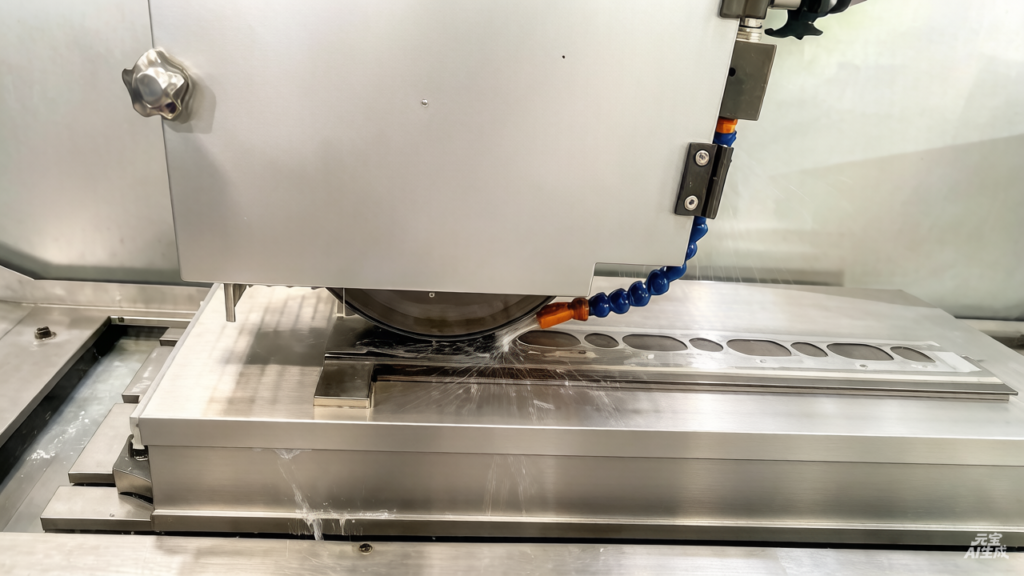
Why Surface Grinder Accuracy Matters
However,grinding is often the final machining process before assembly or inspection.
Poor accuracy can result in:
- Dimensional variation
- Increased scrap rates
- Rework costs
- Assembly issues
- Customer complaints
For mold manufacturing, tooling production, aerospace components, and precision parts, maintaining consistent machining results is critical for profitability.
Key Components That Influence Accuracy
Rather than focusing on a single specification, buyers should evaluate the complete machine system.
Machine Structure and Rigidity
A rigid machine base provides the foundation for precision grinding.
A rigid structure helps:
- Reduce vibration
- Improve dimensional consistency
- Increase repeatability
- Support long-term precision
Machines with insufficient rigidity often experience performance degradation after extended use.
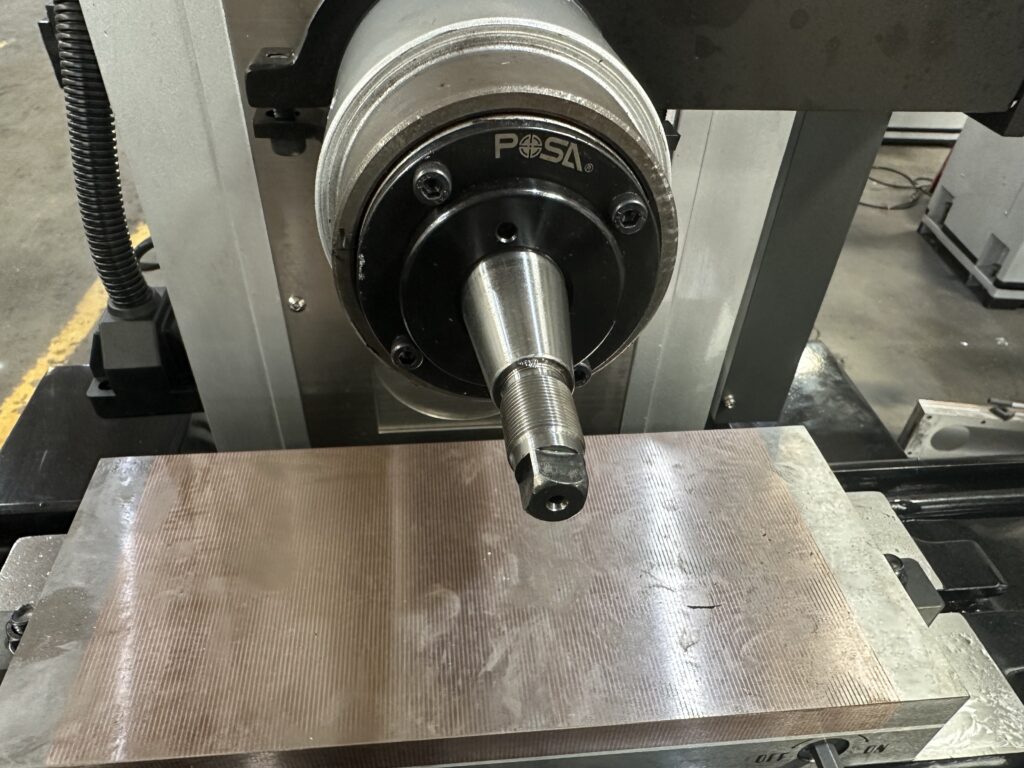
Spindle Performance
Meanwhile, spindle performance directly influences grinding quality.
A precision spindle can provide:
- Lower runout
- Stable wheel rotation
- Better surface finishes
- Consistent machining results
Spindle quality remains one of the most important factors affecting surface grinder accuracy.
Guideway Design
Guideways control machine movement during grinding.
High-quality guideway systems help maintain:
- Smooth travel
- Stable positioning
- Reduced wear
- Improved repeatability
Proper guideway design contributes significantly to overall machine precision.
Common Causes of Accuracy Loss
Many machines perform well when new but gradually lose precision over time.
Thermal Expansion
Heat generated during operation can affect machine geometry.
Common sources include:
- Motors
- Spindles
- Hydraulic systems
- Ambient workshop temperatures
Thermal stability is essential for maintaining dimensional consistency.
Mechanical Wear
Continuous operation naturally creates wear on critical components.
Areas requiring regular inspection include:
- Bearings
- Guideways
- Ball screws
- Lubrication systems
Preventive maintenance helps preserve machining performance.
Improper Installation
Even high-quality equipment can suffer from poor installation practices.
Correct machine leveling and foundation preparation help ensure stable operation.
How Buyers Can Evaluate Surface Grinder Accuracy
Many suppliers publish impressive specifications. However, actual machining performance should be verified before purchase.
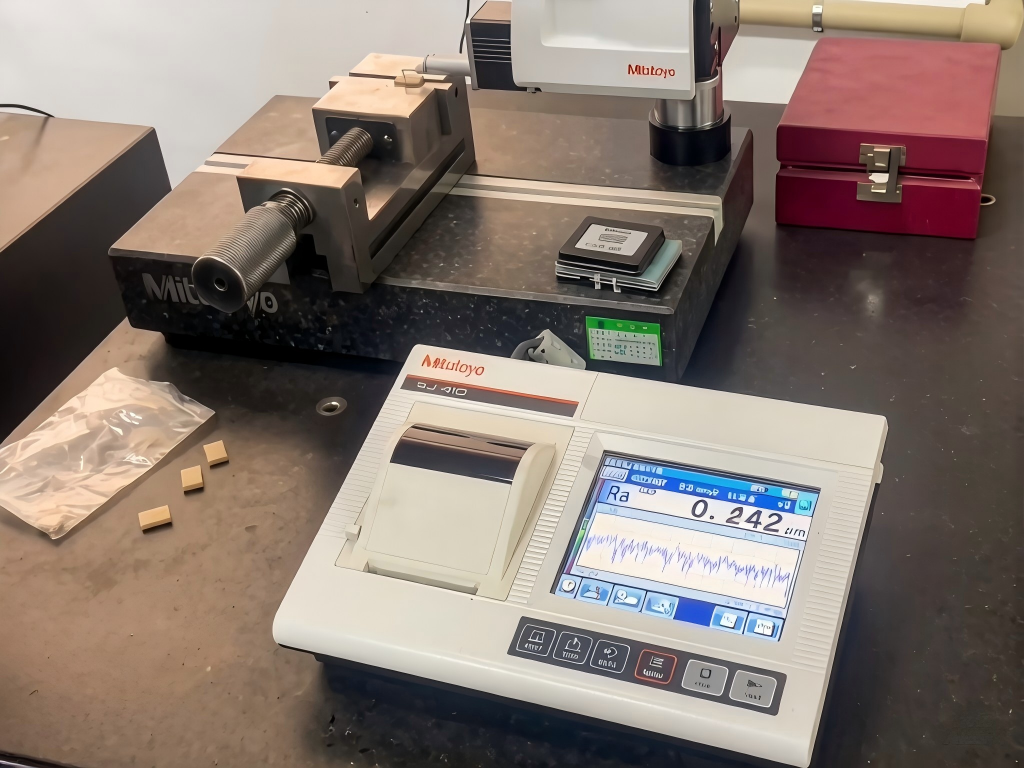
Request Sample Parts
Review actual grinding samples rather than relying solely on brochures.
Inspect:
- Flatness
- Parallelism
- Surface finish
- Dimensional consistency
Review Manufacturing Standards
Reliable manufacturers typically maintain strict production processes and quality control systems.
Important certifications include:
- ISO 9001 Quality Management Systems
- CE Compliance Standards
Evaluate Technical Support
Long-term accuracy depends on proper maintenance and service support.
Consider:
- Spare parts availability
- Technical assistance
- Installation support
- Operator training
Accuracy Requirements by Industry
Different industries require different levels of machining precision.
| Industry | Typical Precision Requirement |
|---|---|
| Mold Manufacturing | High |
| Precision Tooling | High |
| Aerospace Components | Very High |
| Medical Components | Very High |
| General Manufacturing | Moderate |
The best machine is not always the most expensive machine—it is the machine that matches production requirements.
How YUTON Supports Precision Grinding Applications
YUTON designs grinding machines for manufacturers that require reliable production performance and long-term accuracy.
Manufacturing Strength
- 7 factory buildings
- 15,000㎡ production area
- 150 engineering and technical personnel
- ISO 9001 certified quality system
- CE certified export equipment
- Annual sales of 3,100 grinding machines in 2025
Engineering Advantages
- High-rigidity Meehanite castings
- Precision spindle assemblies
- Stable guideway systems
- CNC and automatic grinding solutions
- International-brand components
- Comprehensive factory testing procedures
Customer Support
- Installation guidance
- Technical consultation
- Spare parts supply
- OEM manufacturing
- Distributor cooperation
For quality management information, visit:
ISO 9001 Quality Management Systems
For CE compliance information, visit:
Buyer Checklist Before Purchasing
Before selecting a grinding machine, ask the following questions:
✓ How is machine accuracy tested?
✓ What spindle system is used?
✓ What casting material is used?
✓ What maintenance support is available?
✓ Can sample grinding reports be provided?
✓ How is machine rigidity verified?
✓ What after-sales support is included?
The answers often reveal more than specification sheets.
Final Thoughts
Surface grinder accuracy is determined by the combination of machine structure, spindle quality, guideway design, manufacturing standards, and maintenance practices. Buyers who evaluate these factors carefully are more likely to achieve stable machining performance and long-term production success.
Selecting the right grinding solution helps reduce scrap rates, improve consistency, and increase manufacturing efficiency.
FAQ
What affects surface grinder accuracy?
Machine rigidity, spindle quality, guideway design, and thermal stability are among the most important factors.
Why does machine rigidity matter?
A rigid machine structure reduces vibration and helps maintain dimensional consistency.
How can grinding accuracy be maintained?
Regular maintenance, proper installation, and high-quality machine components help maintain performance.
Are CNC grinding machines more accurate?
CNC grinding machines often provide better positioning and repeatability, but overall machine quality remains critical.
Can YUTON provide high-accuracy grinding solutions?
Yes. YUTON offers manual, automatic, and CNC grinding machines designed for precision machining applications.