
Grinding machine stability is one of the most important factors affecting machining accuracy, production consistency, and long-term manufacturing efficiency.
While many manufacturers focus on machine specifications during the purchasing stage, experienced engineers understand that stable grinding performance over years of operation is what truly determines productivity and return on investment.
For industries such as mold manufacturing, aerospace machining, precision tooling, and industrial component production, maintaining consistent grinding conditions is often more important than achieving a single high-accuracy result.
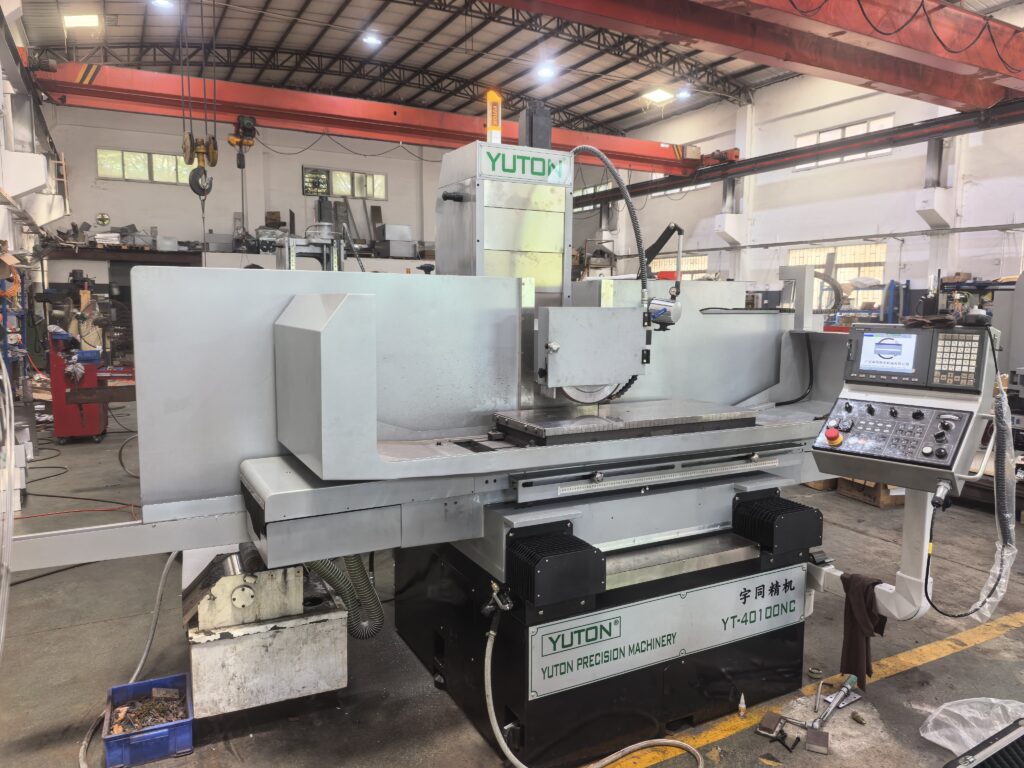
Why Precision Grinding Stability Matters
A grinding machine may achieve excellent accuracy during initial testing, but maintaining that performance throughout years of production is the real challenge.
Poor stability can lead to:
- Surface finish variation
- Dimensional inconsistency
- Increased scrap rates
- More machine adjustments
- Higher maintenance costs
Improving precision grinding stability helps manufacturers maintain product quality while reducing operational risks.
What Affects Precision Grinding Stability
Several engineering factors influence long-term grinding performance.
Machine Structure Stability
Heavy-duty castings reduce vibration and improve dimensional consistency.
A rigid machine foundation helps maintain accuracy during continuous operation.
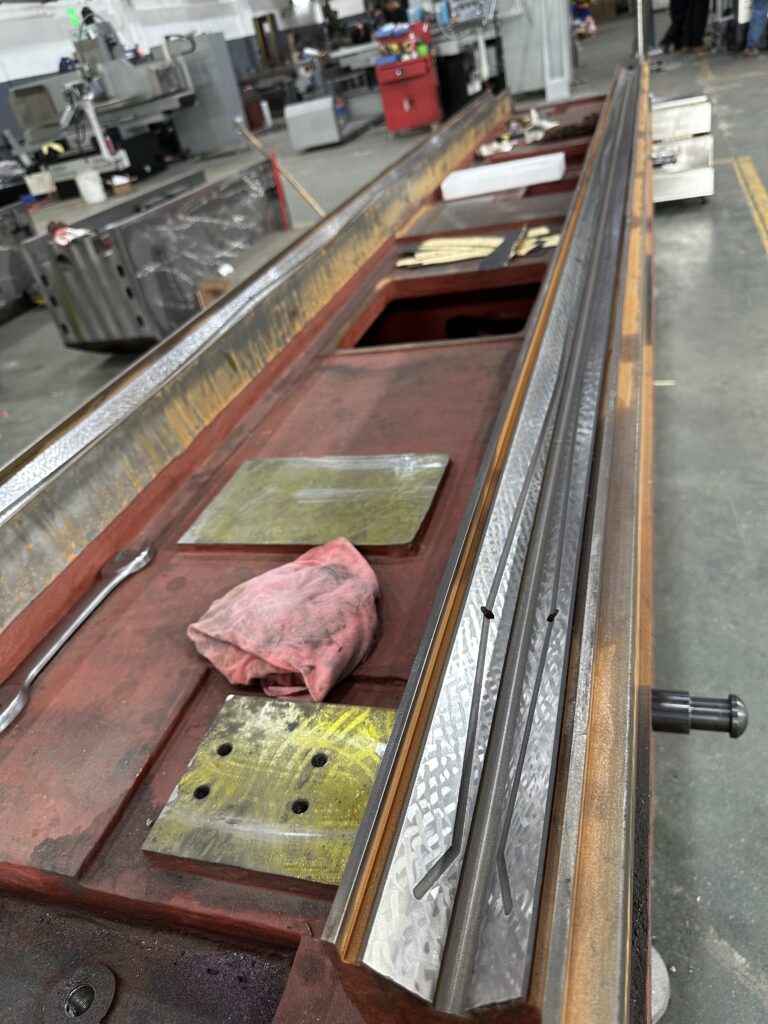
Guideway Performance
Precision guideways support smooth table movement and repeatable positioning.
Guideway wear can gradually affect grinding quality.
Dynamic Balance
Balanced rotating components reduce operational vibration.
This improves both surface finish and dimensional repeatability.
Assembly Accuracy
Machine assembly quality directly influences long-term stability and reliability.
How Spindle Quality Supports Precision Grinding Stability
The spindle is one of the most critical components in any grinding machine.
Stable Rotation Improves Surface Finish
Consistent spindle performance reduces grinding marks and surface defects.
Reduced Runout Enhances Accuracy
High-precision spindles support tighter machining tolerances.
Premium Bearings Extend Service Life
Reliable bearing systems improve long-term operational stability.
Thermal Stability Reduces Variation
Stable spindle temperatures help maintain dimensional consistency.
For precision machining applications, spindle quality often determines whether grinding accuracy can be maintained after years of production.
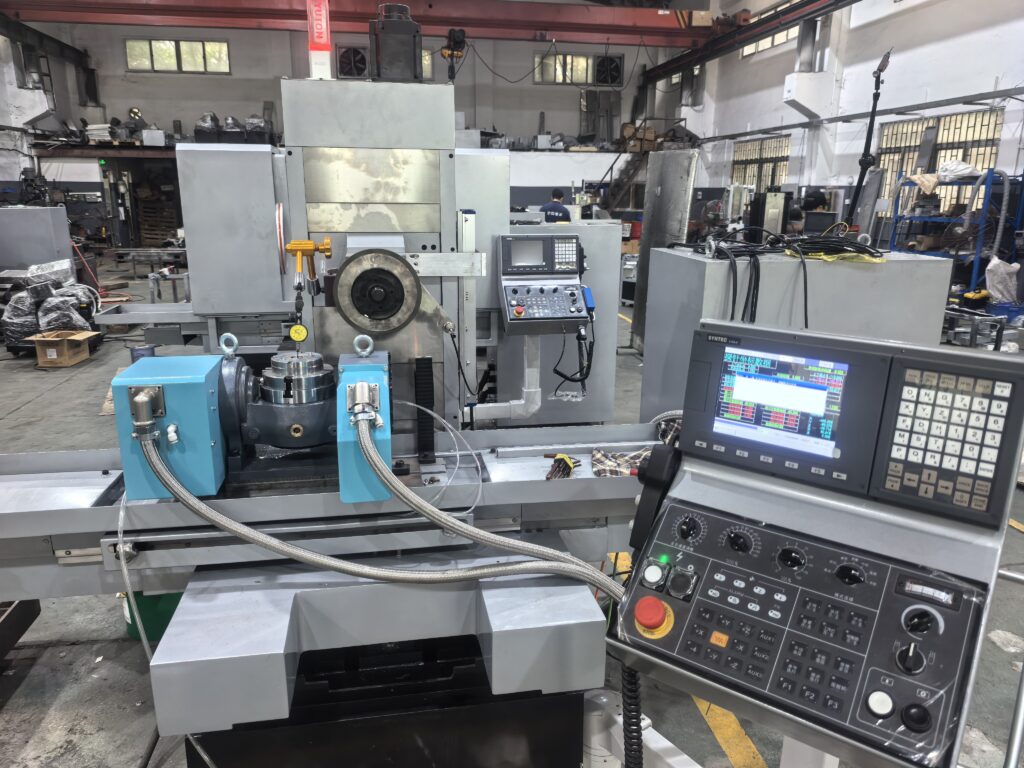
Why Thermal Control Is Essential
Temperature changes can significantly affect grinding performance.
Machine Expansion and Contraction
Heat generated during machining may alter machine geometry.
Environmental Temperature Changes
Workshop conditions can influence dimensional accuracy.
Coolant System Efficiency
Proper coolant management improves temperature stability during operation.
Repeatable Production Results
Stable thermal conditions improve production consistency.
Manufacturers seeking precision grinding stability should evaluate thermal management as carefully as machine specifications.
Industries That Depend on Precision Grinding Stability
Several industries require reliable long-term grinding performance.
Mold Manufacturing
Stable grinding accuracy improves mold quality and service life.
Aerospace Components
Safety-critical parts require consistent machining performance.
Precision Tooling
Tool quality depends on dimensional repeatability.
Medical Equipment
Strict tolerances demand stable grinding conditions.
Semiconductor Equipment
Precision assemblies require exceptional dimensional consistency.
How Precision Grinding Stability Reduces Manufacturing Costs
Stable grinding performance creates measurable operational benefits.
Lower Scrap Rates
Consistent machining reduces rejected parts.
Reduced Rework
Stable production minimizes corrective operations.
Improved Delivery Reliability
Consistent manufacturing supports production scheduling.
Higher Customer Satisfaction
Reliable quality improves customer confidence and repeat business.
Over time, precision grinding stability often generates greater value than simply purchasing a lower-cost machine.
How YUTON Supports Long-Term Grinding Performance
YUTON designs grinding machines with a focus on stability, reliability, and long-term machining consistency.
Manufacturing Capability
- 7 factory buildings
- 15,000㎡ production area
- 150 engineering and technical staff
- ISO 9001 certified manufacturing system
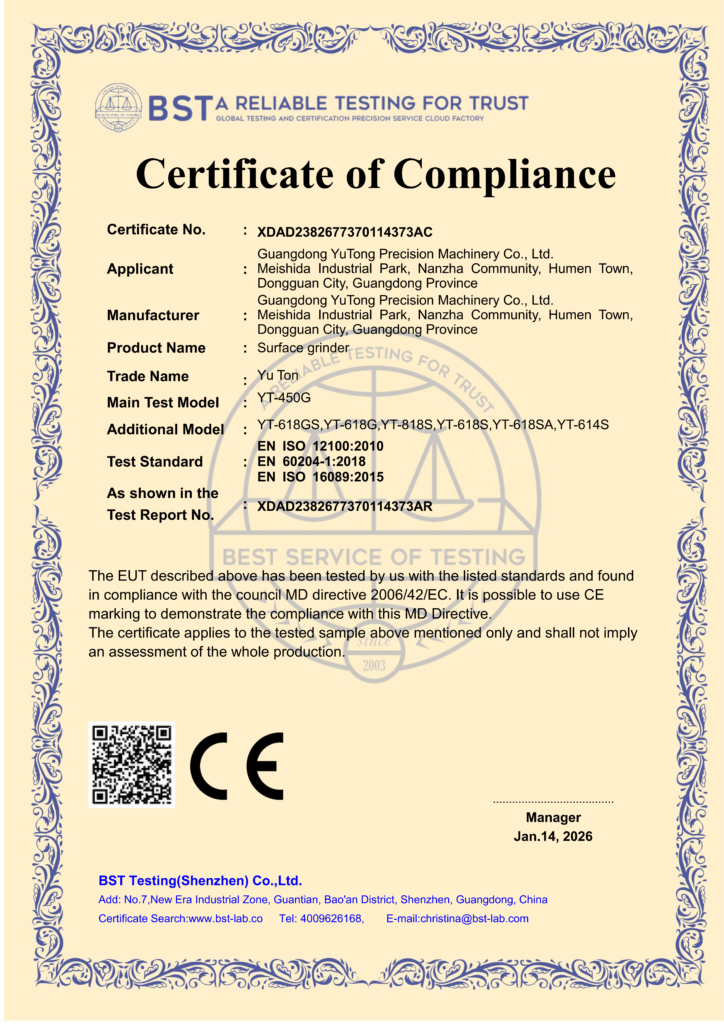
- CE certified export machines
- Annual sales of 3,100 grinding machines in 2025
Engineering Advantages
- High-rigidity machine structures
- Precision spindle systems
- Stable guideway design
- CNC automation options
- International brand components
- Factory-direct support
Global Customer Service
- Export packaging
- Installation guidance
- Technical consultation
- Spare parts support
- OEM manufacturing
- Distributor partnerships
For quality management requirements, refer to:
ISO 9001 Quality Management System
For CE compliance information, refer to:
European CE Marking Requirements
How to Evaluate Grinding Stability Before Purchasing
When comparing grinding machines, buyers should focus on factors that influence long-term performance.
Machine Rigidity
Evaluate casting quality and structural design.
Spindle Configuration
Review spindle specifications and bearing quality.
Thermal Management
Understand how the machine controls heat generation.
Manufacturing Experience
Choose suppliers with proven grinding expertise.
Technical Support
Reliable service helps maintain machine performance throughout its lifecycle.
A machine that remains accurate after years of production often provides greater value than one selected solely on purchase price.
Request a Grinding Solution
Looking for a grinding machine designed for long-term machining stability?
YUTON can recommend the right solution based on your material requirements, tolerance targets, and production goals.
Contact YUTON today for technical consultation and factory-direct pricing.
FAQ
What is precision grinding stability?
Precision grinding stability refers to a machine’s ability to maintain consistent accuracy, surface finish, and dimensional control over long production periods.
Why is grinding stability important?
Stable grinding performance improves product quality, reduces scrap, and lowers manufacturing costs.
What affects grinding stability most?
Machine rigidity, spindle quality, thermal control, and guideway performance are the primary factors.
Can temperature changes affect grinding accuracy?
Yes. Thermal expansion and environmental temperature variations can influence machining precision.
Can YUTON provide CE-certified grinding machines?
Yes. YUTON supplies CE-certified grinding machines for international industrial markets.