
A CNC precision surface grinder is often selected not because of machine size or automation level, but because of its ability to maintain tight dimensional tolerances over long production cycles.
For manufacturers producing molds, tooling, aerospace components, and precision mechanical parts, tolerance control directly affects product quality, assembly performance, and customer satisfaction.
As global industries demand increasingly tighter specifications, grinding tolerance management has become a critical factor in modern machining operations.
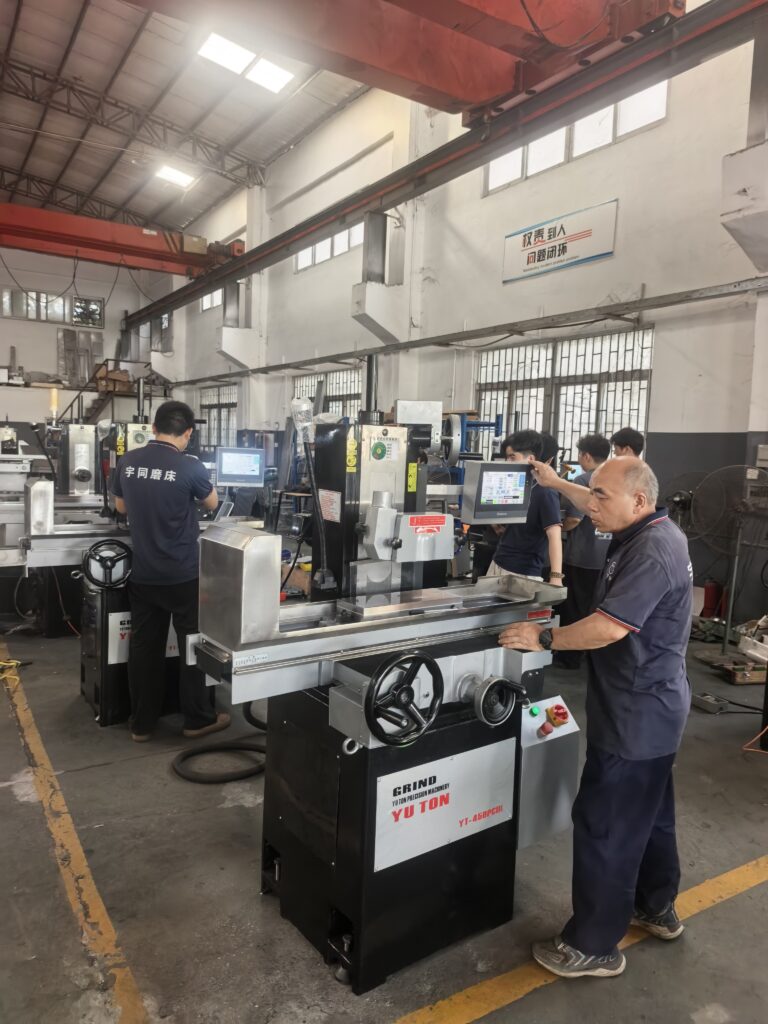
Why CNC Precision Grinders Improve Tolerance Control
In many industries, acceptable dimensional variation continues to decrease.
Today, manufacturers often face requirements such as:
- Consistent flatness
- Repeatable thickness control
- Stable surface finish
- Reliable batch consistency
Even small deviations can result in:
- Product rejection
- Assembly problems
- Increased rework cost
- Production delays
This is why many factories invest in a CNC precision grinder instead of relying solely on conventional grinding methods.
What Affects CNC Precision Grinder Accuracy
Maintaining precision is not only about machine specifications.
Several factors can influence grinding tolerance.
Machine Vibration
Excessive vibration affects dimensional consistency.
Thermal Expansion
Temperature changes can alter machine geometry during production.
Spindle Instability
Unstable spindle performance may affect grinding accuracy.
Guideway Wear
Movement inconsistency can gradually reduce machining precision.
Operator Influence
Manual adjustment differences often create dimensional variation.
A properly configured CNC grinding system helps minimize these risks.
How a CNC Precision Grinder Maintains Accuracy
Modern CNC grinding systems improve precision through automated process control.
Repeatable Axis Movement
Servo-controlled motion maintains positioning consistency.
Programmable Grinding Parameters
Grinding conditions remain stable throughout production.
Reduced Human Error
Automation minimizes operator-related variation.
Consistent Production Results
Machining quality becomes more predictable.
For factories producing precision parts, consistency is often more valuable than maximum production speed.
Industries That Require Tight Tolerance Grinding
Tolerance-sensitive industries continue to increase their use of CNC grinding technology.
Mold Manufacturing
Precision dimensions affect mold life and product quality.
Aerospace Components
Critical parts require stable machining accuracy.
Medical Equipment
Precision components demand strict dimensional control.
Precision Tooling
Tool performance depends on grinding consistency.
Semiconductor Equipment
High-precision assemblies require tight tolerance management.
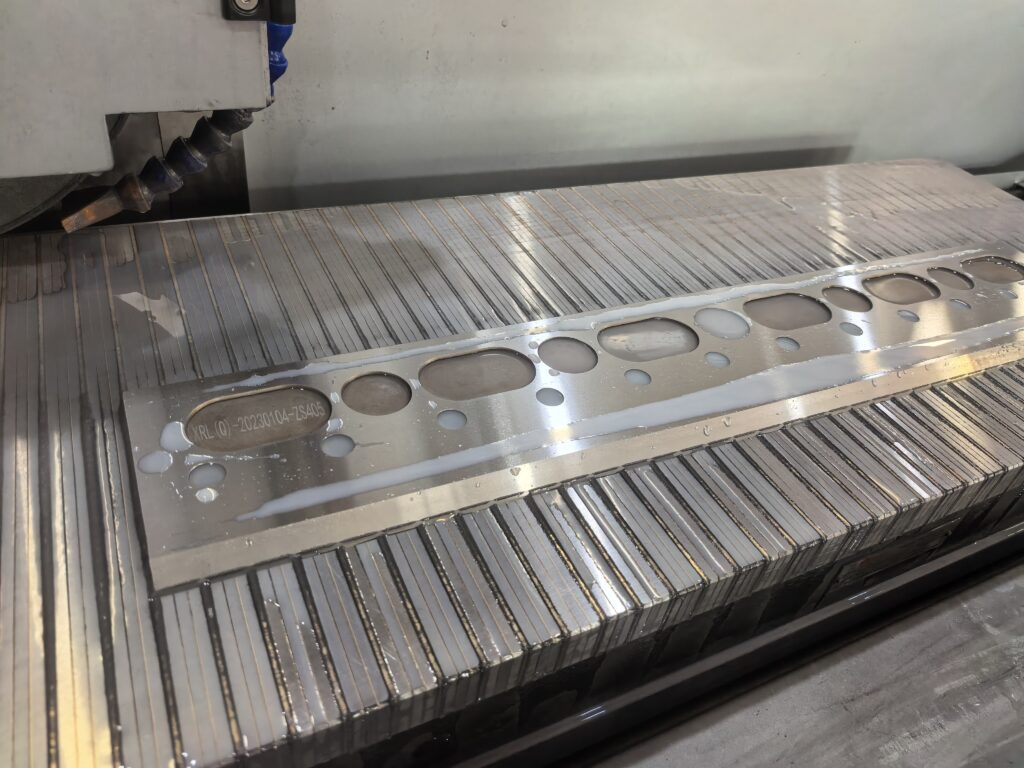
How Buyers Evaluate a CNC Precision Grinder
Experienced buyers typically focus on long-term performance instead of advertised specifications.
Important evaluation factors include:
Structural Rigidity
Stable machine structures reduce vibration.
Spindle Quality
Precision spindle systems improve machining consistency.
Thermal Stability
Temperature control improves dimensional repeatability.
CNC Control Capability
Reliable control systems maintain process consistency.
Supplier Support
Technical assistance helps maintain long-term performance.
Learn more about machining consistency in our Precision Grinding Stability Guide.
Why YUTON Supports High-Precision Grinding Applications
YUTON develops grinding solutions for manufacturers that require reliable tolerance control and stable machining performance.
Manufacturing Capability
- 7 factory buildings
- 15,000㎡ production area
- 150 engineering and technical staff
- ISO9001 certified manufacturing system
- CE certified export machines
- Annual sales of 3,100 grinding machines in 2025
Product Advantages
- Precision machine structures
- Stable spindle systems
- CNC automation options
- High repeatability performance
- International brand components
- Factory-direct pricing
Global Customer Support
- Export packing
- Installation guidance
- Technical support
- Spare parts service
- OEM cooperation
- Distributor partnerships
For ISO requirements, refer to:
ISO 9001 Quality Management System
For CE requirements, refer to:
European CE Marking Requirements
How Tolerance Control Reduces Manufacturing Costs
Many factories focus on machine purchase cost while overlooking production losses caused by dimensional variation.
Better tolerance control can help:
- Reduce scrap rates
- Improve product quality
- Lower inspection costs
- Reduce rework
- Increase customer satisfaction
Over time, stable machining performance often provides greater value than initial machine savings.
Request a CNC Grinding Solution
Looking for a CNC precision surface grinder for tight tolerance applications?
YUTON can recommend the right grinding solution based on your material type, tolerance requirements, and production goals.
Contact YUTON today for machine recommendations and factory-direct pricing.
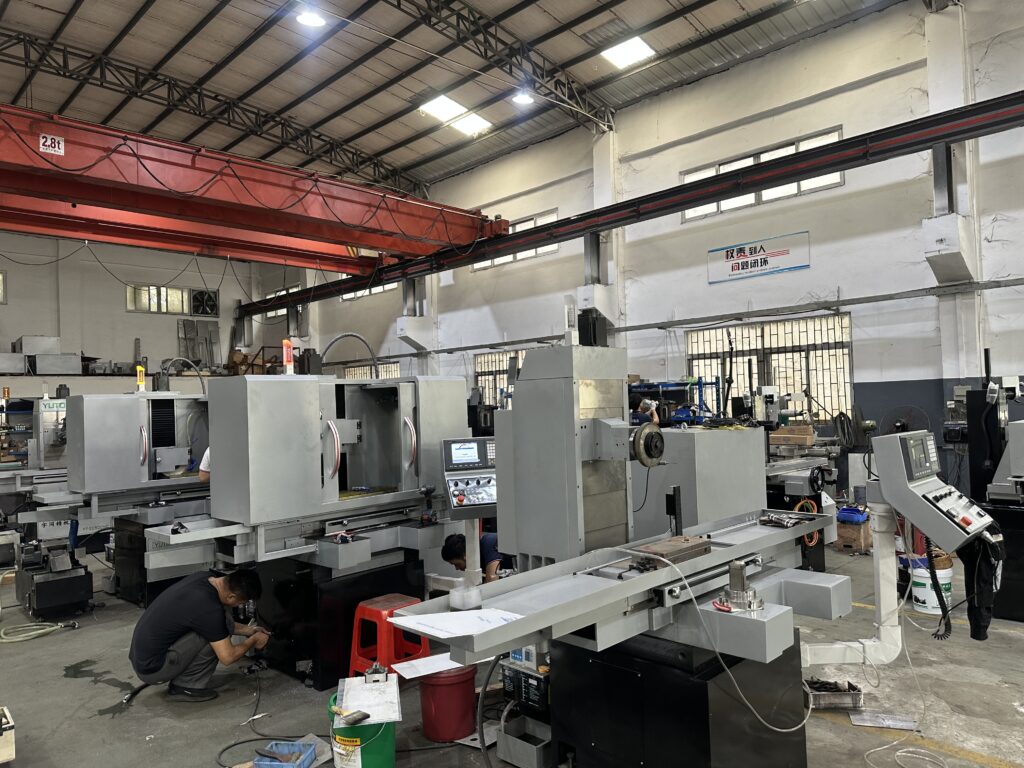
FAQ
What is the main advantage of a CNC precision grinder?
It improves dimensional consistency and reduces machining variation.
Why is tolerance control important?
Tight tolerance management improves product quality and reduces production losses.
Which industries require high-precision grinding?
Aerospace, medical, tooling, semiconductor, and mold manufacturing industries.
What affects grinding tolerance most?
Machine rigidity, spindle stability, thermal control, and process consistency.
Can YUTON provide export-certified CNC grinding machines?
Yes. YUTON provides CE-certified grinding solutions for international markets.